
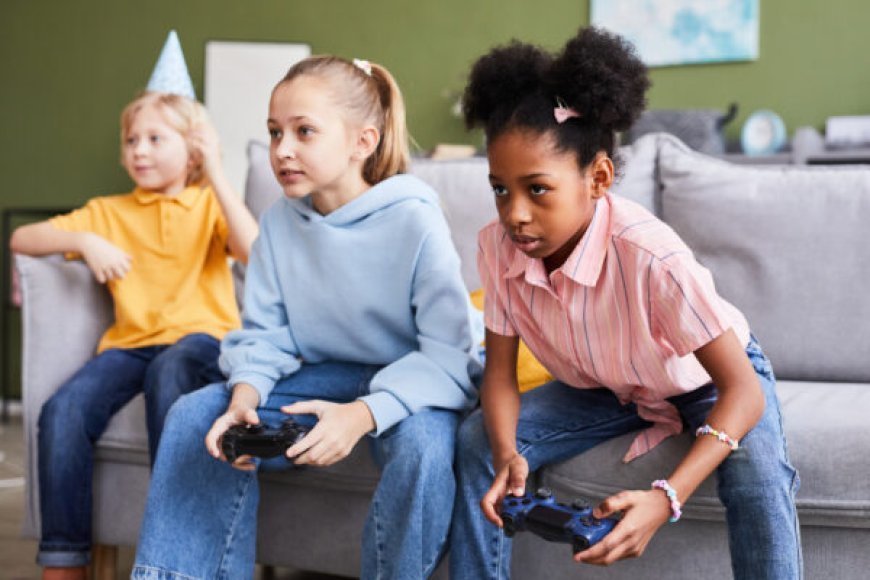
As video games continue to dominate children's entertainment, many parents find themselves at a crossroads—should they embrace gaming as a positive tool or restrict it to protect their child’s development? Opinions are split. Some experts praise the cognitive and social benefits of video games, while others warn of potential risks like addiction, aggression, or developmental delays. This guide breaks down the pros and cons with clarity and research-backed insight to help parents make informed decisions. The goal isn’t to label games as strictly good or bad—but to understand how they fit into a balanced, healthy childhood.
Cognitive Development and Problem-Solving
Contrary to popular belief, video games can foster significant cognitive growth. Many games today are designed with complex mechanics that challenge the brain and encourage active thinking. Strategy games, puzzles, and adventure titles often require kids to think critically, solve problems, and adapt to new information—skills that directly support academic and real-life success. These games encourage planning, pattern recognition, and resource management.
Games like Minecraft, Portal, or The Legend of Zelda encourage creative thinking and experimentation. When children navigate these virtual worlds, they often make decisions under pressure, assess risks, and think several steps ahead. These experiences strengthen neural pathways related to decision-making and logical reasoning.
· Enhances spatial reasoning and hand-eye coordination
· Improves memory, focus, and concentration
· Develops decision-making and adaptive thinking
· Strengthens goal-setting and persistence
Emotional and Social Skills
One of the most overlooked benefits of video games is the emotional and social engagement they can offer. Multiplayer games, in particular, are rich with opportunities for collaboration, communication, and empathy. Many children build friendships online, learning teamwork and leadership in the process. Cooperative tasks in games require negotiation, shared goals, and emotional regulation—especially when faced with in-game setbacks.
Furthermore, games often provide a sense of accomplishment and purpose. Unlocking achievements, leveling up, or completing missions gives children positive reinforcement that can boost self-esteem and emotional resilience. For shy or socially anxious kids, online interactions offer a safe space to express themselves and connect with others.
· Promotes teamwork and communication skills
· Builds self-esteem through achievement and progression
· Helps manage emotions like frustration and disappointment
· Offers safe social engagement for introverted children
Screen Time and Physical Health
Despite the benefits, screen time is a genuine concern for many parents. Extended gaming sessions can lead to a sedentary lifestyle, poor posture, and eye strain. If not regulated, children may begin to prioritize gaming over physical activity, meals, or sleep—leading to health issues in the long run.
The World Health Organization recommends limiting screen time for children under five to one hour per day, while older children should balance screen use with physical movement and face-to-face interactions. Active video games like Ring Fit Adventure or Just Dance offer physical alternatives that combine fun and exercise, helping bridge the gap between entertainment and movement.
· Prolonged gaming can reduce physical activity
· Increases risk of poor sleep hygiene
· Can contribute to eye fatigue and musculoskeletal strain
· Encouraging active gaming can promote movement and balance
Academic Performance
Parents often worry that video games will distract kids from schoolwork. And while this can be true if not managed properly, the relationship between gaming and academics is not inherently negative. In fact, studies show that children who play games in moderation often perform better in subjects that require logic, math, or strategic thinking.
However, excessive gaming can cut into homework time or lead to late-night playing, which affects sleep and concentration. Establishing clear boundaries ensures that gaming doesn’t interfere with academic responsibilities. Using educational games or platforms like Prodigy or BrainPOP can also turn screen time into learning time.
· Moderate gaming supports skills relevant to math and science
· Educational games enhance vocabulary, literacy, and logic
· Overuse can reduce focus and academic productivity
· Boundaries help kids balance responsibilities and recreation
Addiction and Behavioral Concerns
One of the biggest concerns surrounding video games is the potential for addiction. Some children become so engrossed in gaming that they neglect other areas of life. The dopamine-driven reward systems built into many modern games can create compulsive playing habits, particularly in kids with underlying mental health issues like ADHD or anxiety.
Behavioral problems can also emerge, especially in children exposed to violent or overly stimulating content. It’s essential for parents to monitor not just the quantity but the quality of the games their children are playing. Choosing age-appropriate titles and establishing screen-free times can help mitigate these risks.
· Games with high reward cycles can be habit-forming
· Excessive play may cause irritability or emotional dysregulation
· Violent content can affect younger children’s behavior
· Setting time limits and content filters reduces risk
Emotional Outlet and Stress Relief
Games can serve as a safe and effective emotional outlet for children. When kids are overwhelmed, stressed, or experiencing negative emotions, video games can provide a form of escape and release. Immersing themselves in another world helps them relax, reset, and gain a sense of control.
However, reliance on games as a primary coping tool can prevent kids from developing healthier emotional processing techniques. Encouraging a range of stress-relief strategies, such as sports, art, or talking with family, alongside occasional gaming is key.
· Gaming offers distraction and temporary relief from stress
· Can help children decompress after school or challenges
· Provides a sense of mastery and control
· Should be complemented with diverse emotional outlets
Creativity and Storytelling
Many video games today are masterpieces of narrative, world-building, and imagination. Role-playing games (RPGs) and open-world adventures allow children to become active participants in stories. Through choices and exploration, they develop empathy for characters and learn storytelling techniques that can enhance writing and language arts.
Creative platforms like Roblox or Minecraft also empower kids to build, invent, and even program their own games. These environments cultivate imagination, curiosity, and technical skill—all important traits in the digital age.
· Encourages imaginative thinking and experimentation
· Inspires writing, drawing, and storytelling
· Offers interactive lessons in ethics, cause-effect, and character development
· Promotes interest in coding, game design, and creative industries
Age-Appropriate Gaming and Ratings
Not all video games are created for kids. Understanding the Entertainment Software Rating Board (ESRB) system is critical for parents looking to make informed decisions. This rating system helps guide appropriate choices based on content, themes, and target age groups.
Games rated “E” (Everyone) or “E10+” are generally suitable for most kids, while “T” (Teen) or “M” (Mature) titles often contain violence, strong language, or adult themes. Reviewing gameplay videos, reading reviews, or even playing the game yourself can provide better insight before purchase.
· “E” rated games typically feature mild content suitable for children
· “T” and “M” rated games may include violence, suggestive themes, or strong language
· Understanding content helps avoid exposure to inappropriate material
· Parental controls and game settings can add extra protection
Setting Healthy Boundaries and Screen Habits
To reap the benefits of video games without falling into common pitfalls, parents must set clear and consistent rules. Creating a structured gaming routine ensures that children maintain balance with school, sleep, physical activity, and social time.
Involve kids in creating the rules so they feel empowered and heard. This could mean limiting playtime to weekends, linking screen time to completed chores or homework, or designating screen-free zones at the dinner table and bedtime.
· Schedule gaming hours and enforce breaks
· Encourage game choices that align with your child’s age and values
· Reward responsible gaming behavior with extra privileges
· Foster open conversations about online safety and digital etiquette
Conclusion
Video games are neither inherently good nor bad—they’re a powerful tool that, when used wisely, can enrich a child’s development in surprising ways. With proper guidance, moderation, and informed choices, gaming can be a positive part of a child’s life. The key lies in understanding both the benefits and risks, and supporting kids in navigating the digital world responsibly. When parents engage, communicate, and lead by example, video games can become a healthy and even inspiring aspect of growing up.























Responses (0)
Sign in to share your thoughts.
Sign in