
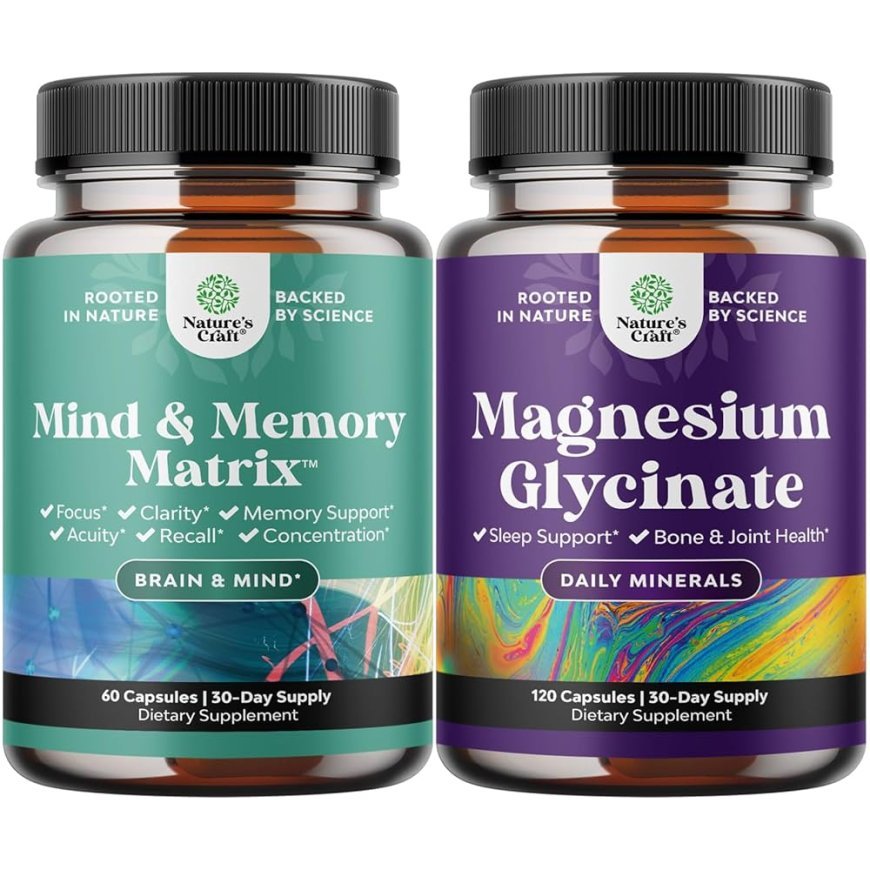
Modern life demands a lot from our bodies and minds. Between busy schedules, chronic stress, environmental pollutants, and nutrient-depleted diets, many people struggle with fatigue, low immunity, and brain fog. While a balanced diet and healthy lifestyle are essential, certain supplements can offer targeted support for energy production, immune resilience, and sharper cognitive function. Backed by clinical research, the following supplements can help you stay energized, focused, and healthy throughout the day.
1. B Vitamins
B-complex vitamins play a fundamental role in converting food into energy. They support cellular metabolism, red blood cell formation, and brain function. These water-soluble vitamins include B1 (thiamine), B2 (riboflavin), B3 (niacin), B5 (pantothenic acid), B6 (pyridoxine), B7 (biotin), B9 (folate), and B12 (cobalamin). Deficiencies in B vitamins, especially B12 and B6, can lead to fatigue, poor concentration, and irritability.
Studies show that supplementing with a high-quality B-complex can significantly improve energy levels, reduce mental fatigue, and support mood regulation. Vitamin B12 is particularly important for vegetarians, vegans, and older adults who may struggle with absorption. These vitamins also support nervous system function, helping you stay mentally alert and emotionally balanced.
- Converts carbohydrates, fats, and proteins into usable energy
- Supports brain function and neurotransmitter synthesis
- Helps reduce stress and mental fatigue
- Crucial for red blood cell production and nerve health
2. Vitamin D
Known as the “sunshine vitamin,” vitamin D is essential for immune strength, energy balance, and mental clarity. It helps regulate calcium and phosphorus, supports bone health, and modulates immune response. Low levels are associated with fatigue, mood disorders, and a weakened immune system.
Research confirms that maintaining optimal vitamin D levels reduces the risk of infections, supports cognitive function, and improves mood—especially during the darker winter months. Since sunlight exposure is limited in many parts of the world and dietary sources are minimal, supplementation with vitamin D3 is often necessary.
- Enhances immune response and reduces inflammation
- Supports healthy mood and cognitive performance
- Improves bone strength and muscle function
- Prevents deficiency in people with low sun exposure
3. Magnesium
Magnesium is involved in more than 300 biochemical reactions in the body, including those that regulate energy production, nerve transmission, and immune response. Low magnesium levels can lead to fatigue, poor sleep, muscle cramps, and weakened immune defenses.
Studies show that magnesium can reduce symptoms of stress, promote relaxation, and support deep sleep—all of which are necessary for sustained energy and focus. It's also critical for proper brain function and neurotransmitter activity. Supplementing with magnesium glycinate or citrate, which are more bioavailable, can help restore optimal levels and improve daily performance.
- Supports energy metabolism and ATP production
- Promotes calm, restful sleep and stress reduction
- Aids nerve function and mental focus
- Enhances muscle function and reduces cramping
4. Omega-3 Fatty Acids
Omega-3s are essential fats that support brain function, reduce inflammation, and strengthen immune health. The most important omega-3s—EPA and DHA—are found in fatty fish and algae. These fats are integral to brain cell membranes and play a key role in memory, learning, and mood regulation.
Clinical studies link omega-3 supplementation with improved cognitive function, reduced symptoms of depression and anxiety, and a healthier immune response. They also support cardiovascular health and reduce chronic inflammation, which can contribute to fatigue and poor focus. For those who don’t consume fish regularly, fish oil or algae-based omega-3s offer an effective solution.
- Boosts brain performance and memory
- Supports emotional stability and mood balance
- Reduces inflammation and boosts immunity
- Essential for heart and nervous system health
5. CoQ10 (Coenzyme Q10)
CoQ10 is a naturally occurring antioxidant that plays a key role in cellular energy production. It helps generate adenosine triphosphate (ATP), the energy currency of the cell. As we age, natural CoQ10 levels decline, leading to increased fatigue and reduced vitality.
Research has shown that CoQ10 supplementation can improve energy levels, especially in individuals with chronic fatigue, heart disease, or statin-related side effects. It's also beneficial for improving mental alertness, reducing oxidative stress, and supporting cardiovascular health. Look for the ubiquinol form for better absorption.
- Enhances mitochondrial energy production
- Fights fatigue and supports cardiovascular function
- Reduces oxidative damage and inflammation
- Supports mental sharpness and cellular repair
6. Adaptogens (Ashwagandha, Rhodiola, Ginseng)
Adaptogens are natural herbs that help the body adapt to physical and emotional stress. These powerful plants, including ashwagandha, rhodiola rosea, and ginseng, have been used for centuries in traditional medicine to improve energy, endurance, and resilience.
Scientific studies show that adaptogens support the adrenal system, reduce cortisol levels, and enhance cognitive function. Rhodiola, for example, has been linked to reduced mental fatigue and improved concentration under stress. Ashwagandha helps regulate mood and promotes restful sleep. Ginseng has energizing effects and supports immune health. Adaptogens are ideal for people dealing with chronic stress, low motivation, or burnout.
- Enhances energy and stress resistance
- Promotes emotional stability and sleep quality
- Supports immune balance and hormonal health
- Improves mental focus and physical stamina
7. L-Theanine
L-Theanine is an amino acid found in green tea, known for its calming effects without sedation. It promotes alpha brain waves, which are associated with relaxed alertness and mental clarity. Unlike stimulants, L-theanine doesn’t cause jitters or crashes, making it ideal for sustained focus and productivity.
Studies show that L-theanine can improve cognitive performance, reduce anxiety, and enhance attention—especially when combined with caffeine. It's a popular supplement for students, professionals, and anyone needing clear, focused thinking during stressful tasks or long work hours.
- Encourages calm focus and mental alertness
- Enhances concentration without drowsiness
- Reduces stress and anxiety
- Works synergistically with caffeine for productivity
8. Zinc
Zinc is a trace mineral essential for immune function, DNA synthesis, and cognitive health. It plays a role in neurotransmitter activity and helps protect brain cells from oxidative stress. A deficiency in zinc can result in fatigue, poor immunity, and mental sluggishness.
Supplementing with zinc has been shown to reduce the duration of colds, support wound healing, and improve mental clarity. It's especially useful during cold and flu season or during periods of high stress, when immunity and cognitive performance may be compromised.
- Strengthens immune defenses and shortens illness duration
- Supports brain function and memory
- Helps maintain energy levels under stress
- Aids in cellular repair and antioxidant defense
9. Iron
Iron is critical for transporting oxygen throughout the body. Without adequate iron, tissues and organs can’t get the oxygen they need to function efficiently, leading to fatigue, brain fog, and compromised immunity. Iron deficiency is especially common in women, vegetarians, and individuals with digestive disorders.
Research supports the use of iron supplements to correct anemia, improve concentration, and restore energy. However, iron supplementation should only be done after testing, as excess iron can be harmful. When taken with vitamin C, iron absorption improves significantly.
- Improves oxygen delivery and energy levels
- Restores cognitive sharpness in deficient individuals
- Prevents anemia-related fatigue
- Enhances immune system performance
10. Probiotics
Gut health is directly linked to immune strength and brain function. The gut-brain axis describes the communication pathway between the digestive system and the central nervous system. Probiotics—beneficial bacteria—help maintain this balance, supporting immunity, nutrient absorption, and mood regulation.
Clinical studies have shown that certain probiotic strains can reduce inflammation, enhance immune function, and even alleviate symptoms of anxiety and depression. A healthy gut promotes energy production and mental clarity by supporting better digestion and hormonal balance.
- Supports gut health and digestion
- Enhances immune response and infection resistance
- Promotes better mood and emotional resilience
- Improves nutrient absorption and overall vitality
Conclusion
Energy, immunity, and mental clarity are three cornerstones of vibrant health. While no supplement can replace a healthy lifestyle, the right nutrients can fill critical gaps and enhance your physical and mental performance. From foundational vitamins like B12 and D, to advanced support from adaptogens, omega-3s, and CoQ10, each supplement on this list is backed by science and targeted for real results. Whether you're dealing with daily stress, persistent fatigue, or a desire for sharper focus, these supplements can support your goals and help you feel your best. Always consult with a healthcare provider before starting any new supplement regimen to ensure it's right for your specific needs.






















Responses (0)
Sign in to share your thoughts.
Sign in