
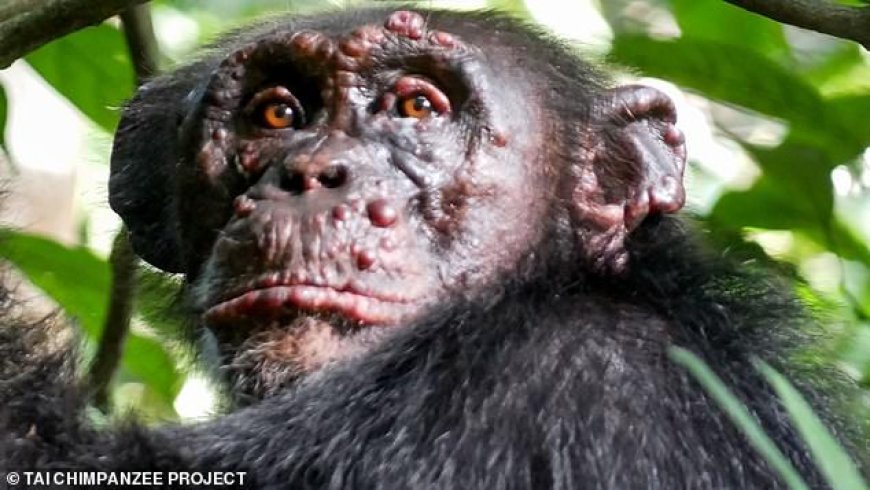
Can Monkeys and Chimpanzees Transmit Diseases to Humans Through Blood?
Monkeys and chimpanzees, like other primates, share a significant amount of genetic similarity with humans. This biological closeness makes them capable of transmitting certain diseases to humans through blood contact. Such transmissions are known as zoonotic infections, where viruses, bacteria, and other pathogens jump from animals to humans.
Can Monkey and Chimpanzee Blood Infect Humans?
Yes, contact with monkey or chimpanzee blood can potentially transmit infections to humans. Some of the most concerning diseases that may spread through blood exposure include:
1. Simian Immunodeficiency Virus (SIV) and HIV
SIV is a virus found in monkeys and chimpanzees, and it is believed to have played a role in the emergence of HIV (Human Immunodeficiency Virus) in humans. Scientists believe that HIV originated from SIV when humans came into contact with infected primate blood through hunting or consumption of bushmeat.
2. Simian Foamy Virus (SFV)
SFV is a retrovirus commonly found in monkeys and apes. While there is no clear evidence of it causing disease in humans, research has shown that people who handle primates—such as researchers and zookeepers—can be infected through bites or blood exposure.
3. Ebola Virus
Ebola is a deadly virus that can be transmitted from infected primates, including chimpanzees, to humans. The virus spreads through direct contact with bodily fluids, including blood. Outbreaks have been linked to the handling of infected animals in Africa.
4. Herpes B Virus
This virus is commonly found in macaque monkeys and can be fatal to humans. It spreads through bites, scratches, or contact with monkey blood. Though rare, cases of human infection have resulted in severe neurological issues and even death.
5. Other Bacterial and Parasitic Infections
Primate blood may also carry bacteria like Salmonella, Shigella, and tuberculosis, as well as parasites like Plasmodium (which causes malaria). If humans come into contact with infected blood through open wounds or mucous membranes, transmission can occur.
How Can Humans Get Infected?
Transmission usually happens through:
- Hunting and butchering of primates (especially in regions where bushmeat is consumed)
- Laboratory research and animal handling (scientists and veterinarians working with primates)
- Monkey bites or scratches (common in people who interact with wild or pet monkeys)
- Accidental exposure (such as needle injuries in research labs)
Preventive Measures
To reduce the risk of disease transmission from monkey and chimpanzee blood, people should:
- Avoid contact with wild primates and their bodily fluids.
- Use protective gear (gloves, masks, and eye protection) when handling primates.
- Practice good hygiene, such as washing hands after handling animals.
- Avoid eating bushmeat, especially in areas where primates are known to carry diseases.
- Seek medical attention immediately after a bite, scratch, or exposure to monkey blood.
While not all monkeys and chimpanzees carry dangerous diseases, the risk of zoonotic infections through blood exposure is real. Proper precautions should be taken, especially by those working closely with primates. Understanding these risks helps in preventing potential outbreaks and protecting human health.






















Responses (0)
Sign in to share your thoughts.
Sign in