
Being diagnosed with breast cancer is life-altering, and one of the most crucial decisions you’ll make is choosing the right first-line treatment. First-line therapy refers to the initial course of treatment given for a disease. In the case of breast cancer, this choice depends on several factors, including the stage of cancer, hormone receptor status, HER2 status, overall health, and personal preferences. Whether you’re newly diagnosed or supporting someone who is, understanding the options available helps you make informed and confident choices. This guide breaks down the various first-line treatments for breast cancer, how they work, who they are for, and what to expect from each.
Chemotherapy as a First-Line Treatment
Chemotherapy remains one of the most commonly prescribed first-line treatments for breast cancer, especially in aggressive or advanced stages. It uses powerful drugs to kill rapidly dividing cancer cells and shrink tumors. Depending on the cancer subtype and progression, chemo may be administered before surgery (neoadjuvant) or after surgery (adjuvant).
The benefit of chemotherapy lies in its ability to treat cancer throughout the body, not just at the primary tumor site. This systemic approach is vital for preventing recurrence or treating metastatic breast cancer. However, side effects can vary depending on the drugs used and your body’s response, and may include nausea, fatigue, hair loss, and increased risk of infection. Your oncologist will tailor a treatment plan that balances effectiveness and quality of life.
• Typically used for triple-negative and HER2-positive breast cancers
• Can be combined with other treatments like targeted therapy
• Often involves cycles every 2–3 weeks for several months
• Supportive medications help manage side effects
• Treatment response is monitored regularly with imaging and labs
Hormone Therapy for Hormone-Receptor Positive Breast Cancer
Hormone therapy, also known as endocrine therapy, is a cornerstone treatment for hormone receptor-positive breast cancer. It works by either lowering estrogen levels in the body or blocking estrogen receptors on breast cancer cells. Since estrogen fuels the growth of hormone-positive cancers, this treatment helps prevent recurrence and slows disease progression.
This type of therapy is typically used for early-stage and advanced hormone-sensitive cancers and may be prescribed for premenopausal or postmenopausal women depending on the drug. Tamoxifen and aromatase inhibitors are common hormone therapy drugs. Unlike chemotherapy, hormone therapy does not directly kill cancer cells but works over time to keep cancer from returning.
• Recommended for estrogen and/or progesterone receptor-positive cancers
• Usually taken as a daily oral pill for 5–10 years
• May cause hot flashes, joint pain, and bone thinning
• Ideal for slow-growing, hormone-sensitive cancers
• May be used before or after surgery depending on tumor response
Targeted Therapy: Personalized and Precise
Targeted therapy focuses on specific genetic changes or protein expressions in cancer cells, making it a powerful and less damaging option than traditional chemotherapy. One of the most well-known types is HER2-targeted therapy, which blocks the growth-promoting protein found in some breast cancers.
Drugs like trastuzumab (Herceptin) and pertuzumab specifically target HER2-positive cancer cells and are often used in combination with chemotherapy. Other targeted treatments like CDK4/6 inhibitors, PARP inhibitors, and PI3K inhibitors are used depending on the genetic makeup of the tumor. These therapies are tailored to the individual, often making them more effective and tolerable.
• Best for HER2-positive and genetically mutated tumors
• Often used with chemo or hormone therapy for synergistic effect
• Can be given via IV or oral medication
• Side effects vary but are generally more tolerable
• Requires regular monitoring of heart function and blood counts
Immunotherapy: Boosting the Body’s Defense
Immunotherapy is a newer frontier in breast cancer treatment, primarily used in triple-negative breast cancer (TNBC) that expresses certain immune-related proteins like PD-L1. These therapies help the immune system recognize and attack cancer cells more effectively.
While still an emerging option in breast cancer care, immunotherapy offers promise for patients with limited treatment alternatives. The goal is not just to shrink tumors but to achieve lasting immune memory so the body can fight cancer long-term. Side effects can include inflammation in various organs due to heightened immune activity.
• Mostly used in metastatic triple-negative breast cancer
• Drugs like atezolizumab combined with chemo show promising results
• Requires PD-L1 testing to determine eligibility
• Can cause immune-related side effects like rash or colitis
• Often part of clinical trials and personalized treatment plans
Surgery: Removing the Tumor
Surgical treatment is often the first step in managing breast cancer, especially when the tumor is localized. The two main options are lumpectomy (removal of the tumor only) and mastectomy (removal of the entire breast). In some cases, lymph nodes are also removed to check if cancer has spread.
Surgery helps remove the bulk of the disease and provides critical information about tumor size, margins, and lymph node involvement, guiding future treatments. It may be followed by radiation or systemic therapies based on pathology results. Advancements in breast-conserving surgery and reconstruction options make this phase more personalized and less traumatic.
• Lumpectomy allows breast preservation when margins are clear
• Mastectomy may be necessary for large or multifocal tumors
• Sentinel lymph node biopsy helps assess spread
• May be followed by reconstructive surgery
• Surgical planning depends on tumor size, location, and patient preference
Radiation Therapy: Targeting Remaining Cancer Cells
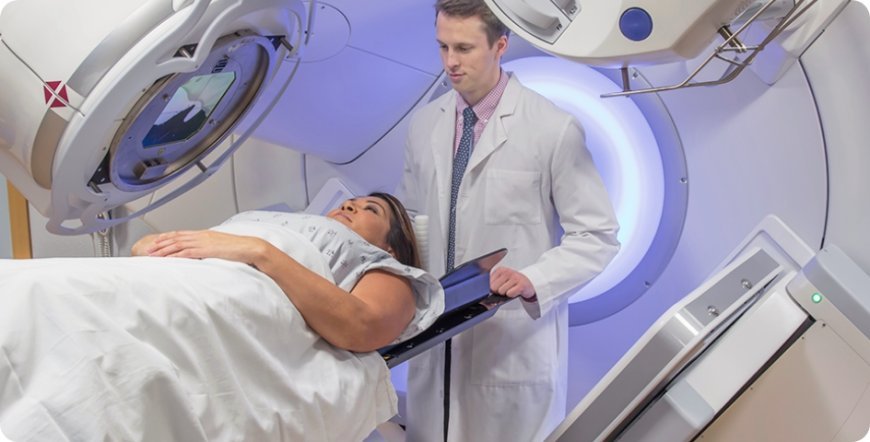
Radiation therapy uses high-energy rays to destroy any remaining cancer cells after surgery, especially around the tumor site. It reduces the risk of recurrence and is commonly used after lumpectomy or in high-risk mastectomy patients. Treatment is typically done five days a week for several weeks.
Radiation is localized, meaning it affects only the treated area. Advances in imaging and precision equipment ensure minimal damage to surrounding healthy tissue. Side effects can include skin irritation, fatigue, and swelling, but these usually subside after treatment ends. Your radiation oncologist will develop a personalized plan based on your surgical outcome and cancer type.
• Standard after lumpectomy to prevent local recurrence
• May also be used for high-risk mastectomy patients
• Typically involves daily sessions for 3–6 weeks
• Can be external or internal (brachytherapy)
• Skin care and fatigue management are essential during treatment
Neoadjuvant Therapy: Treatment Before Surgery
Neoadjuvant therapy refers to treatments given before surgery to shrink tumors and improve surgical outcomes. It may include chemotherapy, hormone therapy, or targeted therapy depending on the cancer subtype. This approach helps determine how well the tumor responds to a particular treatment and can influence post-surgical care.
It is particularly beneficial in patients with large tumors or those who wish to preserve breast tissue. Additionally, neoadjuvant therapy can identify resistant tumors early, allowing for an adjustment in treatment strategy. This makes it a powerful tool not only for treatment but for planning the entire care journey.
• Used to shrink large tumors before surgery
• Helps assess treatment effectiveness in real time
• May allow for breast-conserving surgery
• Common in HER2-positive and triple-negative cancers
• Informs future therapy decisions based on response
Clinical Trials: Accessing New Treatments
Clinical trials offer patients access to the latest breast cancer treatments before they are widely available. These studies test new drugs, combinations, or strategies to improve existing therapies. Participating in a clinical trial can be a good option for patients who do not respond well to standard treatments.
It’s important to work closely with your oncologist to determine eligibility and understand the potential risks and benefits. Clinical trials contribute to the advancement of breast cancer care and may offer more effective or better-tolerated options.
• Offer access to cutting-edge treatments
• Include phases to ensure safety and effectiveness
• May be available for all stages of breast cancer
• Often used for personalized and precision therapies
• Participation is voluntary and thoroughly monitored
Factors to Consider When Choosing a Therapy
Choosing the right first-line therapy is a deeply personal decision influenced by several clinical and personal factors. These include your cancer type and stage, hormone receptor status, genetic mutations, age, fertility goals, and overall health. Emotional readiness, lifestyle, and support systems also play a role in determining which path is right for you.
Working with a multidisciplinary team of oncologists, surgeons, and counselors ensures you receive comprehensive advice. Ask questions, take notes, and consider second opinions if needed. Understanding your options empowers you to make decisions that reflect both medical needs and personal values.
• Cancer stage and subtype guide treatment choices
• Genetic and biomarker testing is crucial for targeted therapy
• Age and menopausal status may impact hormone therapy use
• Fertility preservation should be discussed with younger patients
• Personal preferences and lifestyle affect treatment tolerance
Conclusion
Selecting the right first-line breast cancer therapy is not a one-size-fits-all decision. Each treatment option—whether it’s chemotherapy, hormone therapy, targeted drugs, radiation, surgery, or immunotherapy—offers distinct benefits depending on the individual’s cancer profile and personal health goals. With guidance from a trusted medical team and a thorough understanding of your options, you can take confident steps forward in your cancer journey. Knowledge is power, and making an informed decision could significantly improve your treatment experience and outcome.























Responses (0)
Sign in to share your thoughts.
Sign in