
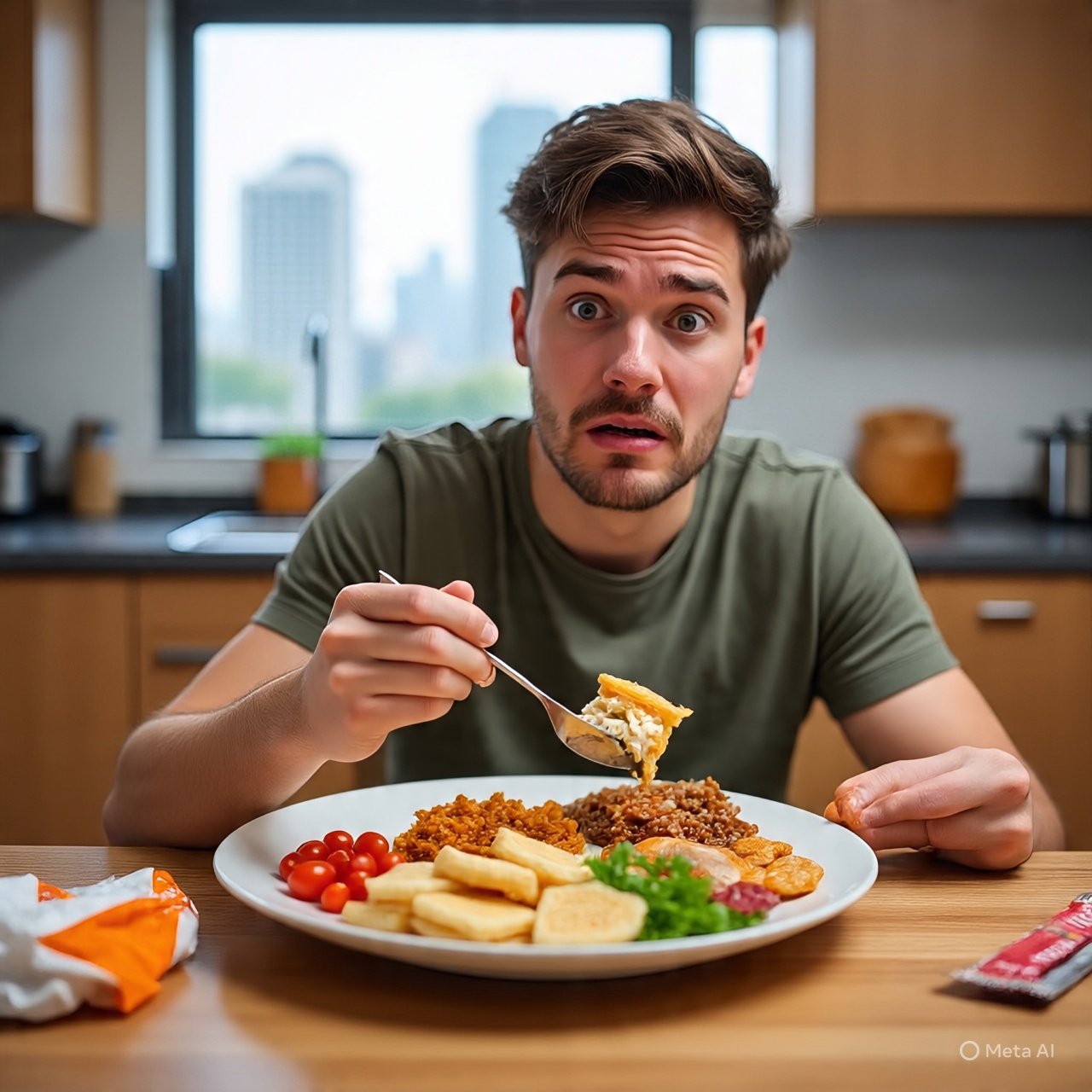
Recent research indicates a strong connection between highly processed foods HPFs and a higher likelihood of developing lung cancer.
The study analyzed data from over 102,000 healthy individuals and discovered that those consuming the highest amounts of HPFs, averaging six servings daily, faced a 41% greater risk of Individuals who consumed the highest amount had a significantly increased risk of lung cancer in comparison to those who had the lowest intake, averaging just 0.5 servings daily.
Key Points:
Common Foods That Are Highly Processed:
Packaged chips, candies, and sweets,
sausages and sandwich meats are examples of cured meats.
Sugary drinks, instant noodles, and frozen dinners.
Fast food options such as burgers and pizza.
Possible Explanations for the Increased Risk:
Carrageenan, a thickener, may disrupt the microbiome and trigger gut inflammation.
Acrolein, found in fried foods, could potentially harm DNA.
PCBs found in outdated food packaging are believed to be potential human carcinogens.
Lung Cancer Facts:
By 2025, approximately 230,000 new cases are expected.
Estimates suggest there will be around 125,000 deaths. The rising number of cases among women and young nonsmokers underscores potential dietary implications.
In conclusion:
While additional research is needed, reducing the consumption of heavily processed foods and choosing whole foods like fruits, vegetables, and whole grains may decrease lung cancer risk. It is essential to make healthier dietary choices to mitigate the risk of this serious illness and maintain a balanced diet.
Final Thoughts:
A higher intake of HPFs is associated with a 41% greater risk of developing lung cancer. The dominant form of this disease, non-small cell lung cancer, is linked to a 37% increased risk. There is also a 44% increased risk of developing the more aggressive form, small cell lung cancer.
Reference:
This study was published in the journal Abdomen. More research is needed to fully understand the relationship between highly processed foods and lung cancer risk. Consulting a medical professional for specific dietary guidance is advisable.





















Responses (0)
Sign in to share your thoughts.
Sign in