
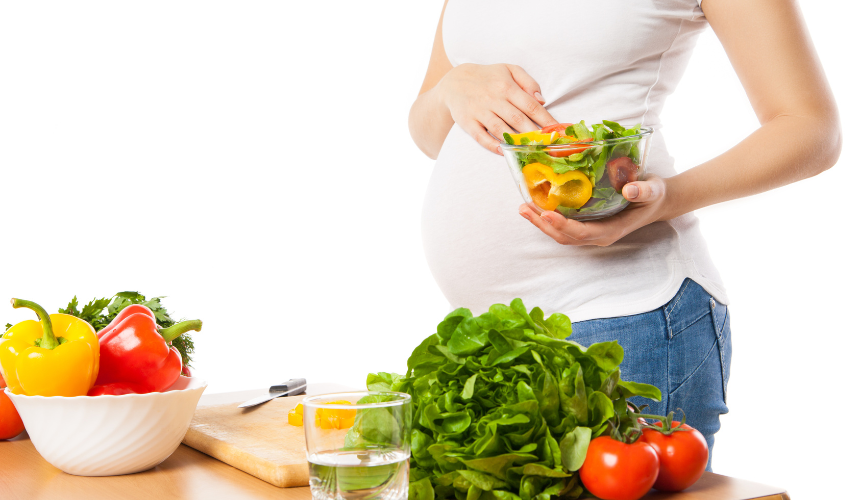
Avoid these 10 risky foods during pregnancy—from raw fish to alcohol—to keep you and your baby safe and healthy throughout your pregnancy diet journey.
Navigating the pregnancy diet can be overwhelming. With so much conflicting advice, it’s tough to know which foods are safe and which could pose risks. As your body supports new life, certain foods—though harmless in everyday life—can be dangerous during pregnancy due to bacteria, toxins, or developmental harm.
This article details the top 10 foods to avoid in your pregnancy diet, explaining why each one could be problematic and offering safer alternatives. Whether you’re newly expectant or nearing full term, this guide will help you make informed, peace-of-mind food choices for both you and your baby.
1: High-Mercury Fish
Why avoid it: Fish like shark, swordfish, king mackerel, and tilefish contain high levels of mercury. Mercury can harm your little one’s developing brain and nervous system. Consuming high-mercury fish during pregnancy is associated with developmental delays and cognitive deficits.
Better option: Opt instead for low-mercury, omega-3-rich fish like salmon, cod, or shrimp—safe when cooked and highly beneficial for baby’s growth.
2: Raw or Undercooked Seafood and Sushi
Why avoid it: Raw fish, shellfish, and sushi can harbor harmful bacteria and parasites such as Salmonella, Listeria, and others—posing serious risks to both you and your baby.
Better option: If you crave sushi, choose vegetarian rolls or cooked seafood versions—but always confirm ingredients are thoroughly heated.
3: Raw or Undercooked Eggs (and Dough)
Why avoid it: Raw or lightly cooked eggs, as well as raw dough or batter, can expose you to Salmonella. During pregnancy, even mild food poisoning can be intensified.
Better option: Only consume eggs that are fully cooked (whites and yolks firm), and always avoid tasting raw batter—even homemade cookie dough.
4: Unpasteurized Dairy and Soft Cheeses
Why avoid it: Soft cheeses made from unpasteurized milk—like brie, camembert, queso fresco, and blue-veined cheeses—can carry Listeria, which can lead to miscarriage or preterm birth.
Better option: Stick to pasteurized milk and cheeses like cheddar, mozzarella, cream cheese, and cottage cheese—or heat soft cheeses until steaming before eating.
5: Deli Meats, Hot Dogs, and Pâtés (Unless Heated)
Why avoid it: Ready-to-eat meats may be contaminated with Listeria. Deli meats, hot dogs, and refrigerated pâtés are risky unless heated thoroughly. Listeria can cause serious pregnancy complications like infection or stillbirth.
Better option: If craving deli-style meats, reheat until steaming hot (165°F) to kill bacteria, or choose cooked, packaged options.
6: Raw or Undercooked Meat and Poultry
Why avoid it: Meat not fully cooked may contain Salmonella, E. coli, or Toxoplasma—especially harmful during pregnancy.
Better option: Use a food thermometer—cook chicken and ground meats to 165°F, and whole cuts of beef, pork, lamb, or veal to at least 145°F with a safe resting period.
7: Unwashed Fruits, Vegetables, and Raw Sprouts
Why avoid it: Unwashed produce and raw sprouts may contain parasites like Toxoplasma or pathogens like E. coli, which can lead to miscarriage or pregnancy complications.
Better option: Always thoroughly wash produce. Cook sprouts until steaming or omit them entirely from your pregnancy diet.
8: Unpasteurized Juices and Ciders
Why avoid it: Raw juices can harbor bacteria like E. coli or Listeria, making them unsafe during pregnancy.
Better option: Drink pasteurized juices or heat raw versions to a rolling boil before consuming.
9: Alcoholic Beverages
Why avoid it: There’s no known safe amount of alcohol during pregnancy. Alcohol can lead to fetal alcohol spectrum disorders (FASD), lifelong developmental, behavioral, and physical issues.
Better option: Avoid all forms of alcohol—beer, wine, liquor—for the health of your baby.
10: Excessive Caffeine
Why avoid it: While small amounts of caffeine may be tolerated, higher intake has been linked to miscarriages and low birth weight. Guidelines suggest limiting daily intake.
Better option: Keep caffeine at or below 200 mg per day (about 1–2 cups of coffee); monitor intake from tea, chocolate, and sodas too.
Conclusion
Being informed about your pregnancy diet helps protect both you and your growing baby. Steering clear of risky foods—like raw animal products, unpasteurized items, high-mercury fish, alcohol, and more—can reduce your risk of infections and developmental harm.
Pair this guide with reliable, nutrient-rich options and prenatal vitamins, and always check with your healthcare provider if you're unsure. A mindful, balanced approach to food can keep your pregnancy healthy, happy, and well-nourished from start to finish.












Responses (0)
Sign in to share your thoughts.
Sign in