

? Healthy Exercise: A Complete Guide, Benefits, and How to Incorporate It into Daily Life
✨ Introduction
A healthy life stands on three major pillars: balanced nutrition, mental peace, and regular physical activity. Among these, "exercise" is an act that not only enhances physical health but also brings mental calm and emotional balance.
In today’s fast-paced world, where time is limited, stress is common, and sedentary lifestyles have become the norm, adopting exercise can help us avoid illnesses and make our lives more enjoyable, fulfilling, and energetic.

Let’s explore in detail the benefits of exercise, its types, which exercises are suitable for different ages, and how you can include it in your busy life.
? What Is Exercise?
Exercise is a set of physical movements aimed at activating different parts of the body, strengthening muscles, improving heart rate, and promoting overall health.
Exercise is not merely a tool for weight loss or physical appearance; it is a complete lifestyle choice that keeps you active, healthy, and happy.

? Types of Exercise
Exercise can be done in many forms, depending on your physical needs and goals:
1. ? Aerobic Exercises
These are activities that increase your heart rate, such as:
Brisk walking
Jogging
Cycling
Swimming
Dance (Zumba, Aerobics)
Aerobic exercises are excellent for improving cardiovascular and lung health.
2. ?️ Strength Training
These exercises strengthen muscles:
Weight lifting
Using resistance bands
Push-ups, pull-ups, squats
They also improve bone health and support muscles that tend to weaken with age.
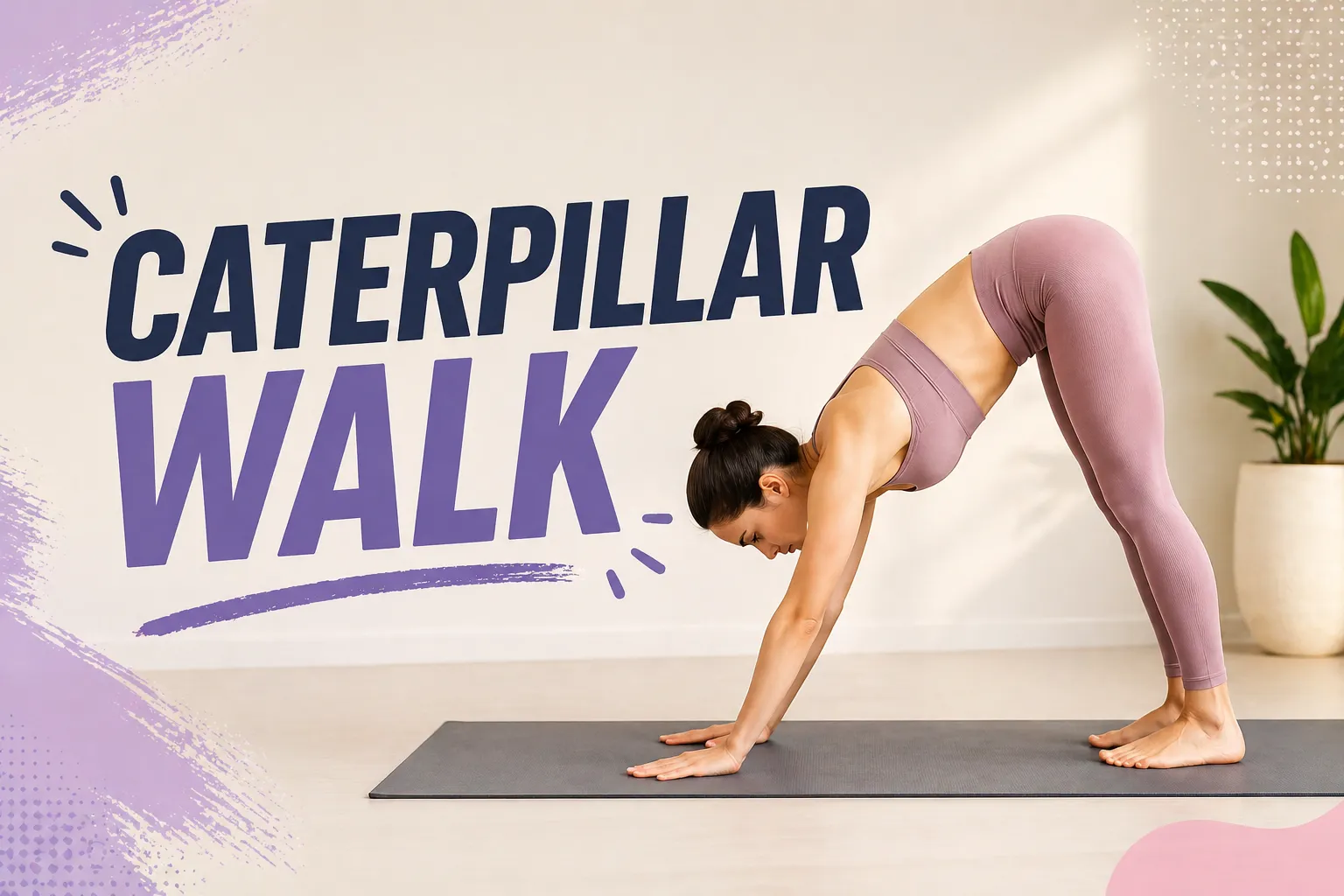
3. ? Flexibility and Stretching Exercises
These include:
Yoga
Pilates
Daily stretching routines
They reduce body stiffness and improve joint mobility.
4. ⚖️ Balance and Mind-Soothing Exercises
Especially beneficial for the elderly:
Tai Chi
Yoga with meditation
These help enhance mental peace, balance, and nervous system function.
? Scientific Benefits of Exercise
Exercise provides numerous scientifically proven benefits:
1. Improved Heart Health
Exercise regulates heartbeat, lowers blood pressure, and improves blood circulation.
2. Weight Loss
Exercise burns calories and boosts metabolism, which helps in reducing weight.
3. Diabetes Control
Regular activity helps manage blood sugar levels and increases insulin sensitivity.
4. Improved Mental Health
Exercise reduces depression, anxiety, and mental fatigue by releasing endorphins—also known as the “happy hormones.”
5. Better Sleep
People who exercise regularly enjoy better quality sleep.
6. Stronger Immunity
Physical activity boosts the immune system, reducing the risk of seasonal illnesses.
? Which Exercise for Which Age?
For Children (6–17 years):
Active games like football, cricket, running
Cycling
School physical education activities
For Youth (18–35 years):
Gym training
Running and walking
Yoga and dance
For Middle-Aged Adults (35–60 years):
Walking and cycling
Light strength training
Yoga and stretching
For Seniors (60+ years):
Gentle walking
Tai Chi
Light stretching and balance exercises
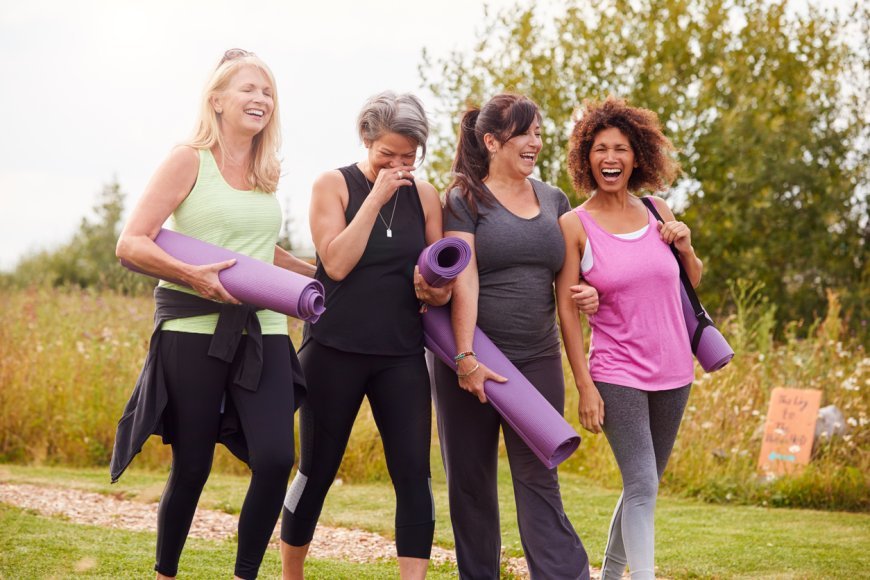
? Special Recommendations for Women
Exercise is crucial for women, particularly for:
Light walking and prenatal yoga during pregnancy
Hormonal balance through yoga and Pilates
Bone strengthening via light weight lifting
Exercise helps regulate menstrual cycles, reduces menopause symptoms, and alleviates mental stress.
? How to Fit Exercise into a Busy Lifestyle
Incorporating exercise into a hectic routine may seem challenging, but it's not impossible:
Walk for just 20–30 minutes daily
Use stairs instead of elevators
Perform light stretching during work breaks
Develop a habit of waking up early
Make exercise a shared activity with family or friends

? Common Misconceptions About Exercise
1. “I want to lose weight, so exercise is enough.”
→ Exercise alone isn’t sufficient. A balanced diet is equally important.
2. “Exercise can only be done at the gym.”
→ Not true—light exercises can be done at home, in the park, or even at the office.
3. “I’m too old now; it won’t benefit me.”
→ Exercise is beneficial at every age, especially in older years.
4. “Weightlifting is harmful for women.”
→ When done properly, it’s excellent for bone health.
? Nutrition and Exercise: A Vital Combination
Proper nutrition is essential along with exercise:
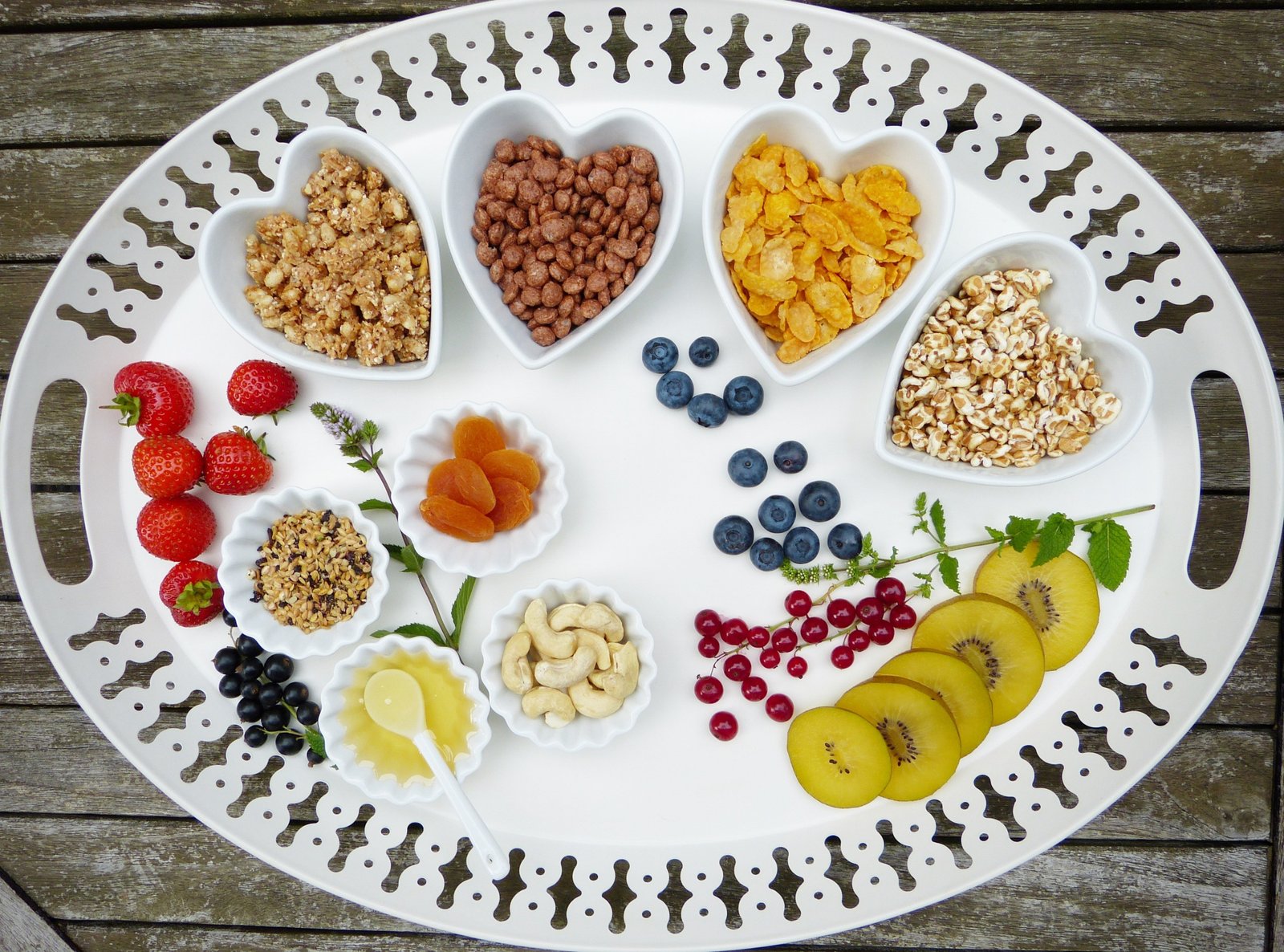
Have a light energy-boosting snack before exercising (like a banana or oatmeal)
After working out, consume a balanced meal with protein and carbohydrates (like eggs, milk, fruits)
Drink plenty of water
? Easy Home Exercises
If you can’t go to the gym, here are some simple workouts you can do at home:
Squats: Great for legs and glutes
Push-ups: Strengthen chest and arms
Planks: Tighten abdominal muscles
Climbing stairs: Boosts cardiovascular health
? One-Week Beginner Workout Plan
Day Activity Duration
Monday Walking + Stretching 30 minutes
Tuesday Squats + Planks 20 minutes
Wednesday Yoga 30 minutes
Thursday Cycling or Running 25 minutes
Friday Light weight training 20 minutes
Saturday Dance or Zumba 30 minutes
Sunday Rest + Light walking 15–20 minutes
? Conclusion
Exercise is like medicine—offering countless benefits without side effects. Just 20 to 30 minutes of physical activity each day not only improves your health but also brings happiness, confidence, and success into your life.
Prioritize your health, make exercise a part of your routine, and begin a new chapter in life—because “health is everything.”



















Responses (0)
Sign in to share your thoughts.
Sign in