
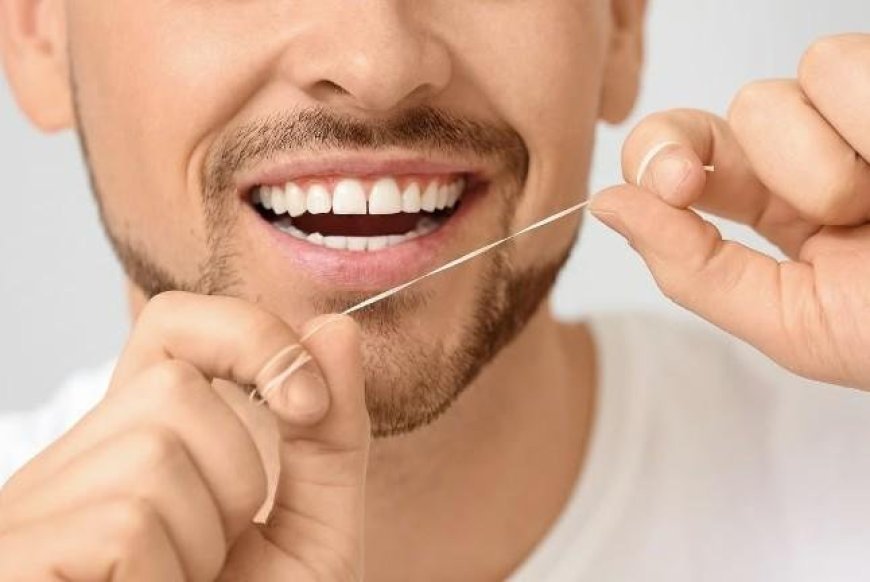
Can Flossing Help Prevent Strokes?
Yes! Proper oral hygiene practices serve as an effective measure for stroke prevention. "Flossing is the cheapest and easiest way to protect your heart and brain—one string at a time."
Research demonstrates that neglected dental hygiene leads to gum disease that triggers artery inflammation, thus endangering your vascular system.
The inflammatory response creates opportunities for plaque development, which puts you at higher risk of heart disease and possible stroke.
So, the next time you skip flossing, remember it’s not just about fresh breath; it’s about keeping your entire body healthy!
The Importance of Proper Oral Hygiene Practices
There exist millions of bacteria that reside inside your mouth. Certain bacteria help the body, yet some become harmful when they stay inside the mouth without removal.
When you neglect oral care, it results in gum disease together with tooth decay, and it might advance to serious health issues, including strokes and heart disease.
- Conducting proper oral hygiene practice enables several benefits, including:
- Your dental and gum health stays in good condition
- Prevent infections and bad breath
- Improved health protection occurs because of proper oral care practices
Best Oral Care Tips for a Healthy Smile
If you wish to protect both your heart and your mouth, choose these guidelines. Follow these simple tips:
1. Brush your teeth properly
Professional dental hygiene begins with regular tooth brushing. Daily tooth brushing must last at least two minutes using fluoride toothpaste.
You need to brush all tooth surfaces together with your tongue.
2. Floss daily
Plaque and food particles that stay between your teeth will disappear from flossing because toothbrushes cannot access those areas.
People who floss daily decrease their chances of developing gum disease and minimize stroke-causing inflammation in their bodies.
3. Use a water flosser
Regular flossing can be challenging for some people, but they should consider getting a water flosser instead. The water flosser operates by sending a water stream, which removes particles and bacteria from between your teeth. Popular options include:
- Waterpik Water Flosser
- Philips Sonicare Flosser
- Oral-B Water Flosser
4. Don’t forget mouthwash
Antibacterial mouthwash works as an effective tool that kills bacteria while also providing breath refreshment.
Look for a fluoride-containing mouthwash since it will improve tooth strength.
5. Visit your dentist regularly
A regular visit to your dentist every six months will enable early detection of dental issues when they are still treatable.
Best tools for Flossing
Selecting the appropriate flossing device among numerous available choices becomes a challenging task. Here are some top choices:
- Traditional dental floss operates as a traditional option that effectively removes dental plaque.
- Floss Picks: Handy for quick flossing, especially on the go.
- Water Flossers: Ideal for people with braces or sensitive gums.
- Superfloss: Perfect for people with bridges or gaps between their teeth.
Conclusion
Remember, regular flossing serves both dental cleanliness and stroke prevention and overall health benefits.
Applying appropriate oral hygiene practices together with proper tools will protect your gum tissues, heart, and total body system.
Do you floss daily? Let us know in the comments!
Share this article with others who need reminders to care for their teeth if the information proves helpful.






















Responses (0)
Sign in to share your thoughts.
Sign in