
Tofu Paneer vs. Soya Chunks: Which is More Nutritious and Beneficial?
Plant-based proteins are becoming increasingly popular as more people shift toward healthier eating patterns and sustainable diets.
Among the many plant protein options available, tofu paneer (soy paneer) and soya chunks stand out as two of the most consumed vegetarian protein sources in India and around the world.
Despite the fact that both are made from soybeans, their processing, nutrient content, and health benefits are different.
This raises a common query: Tofu Paneer or Soya Chunks, which is more nutritious and beneficial? Let’s dive deeper into their nutritional values, health benefits, and best uses to help you make the right choice for your lifestyle.
1. Understanding Tofu Paneer and Soya Chunks.
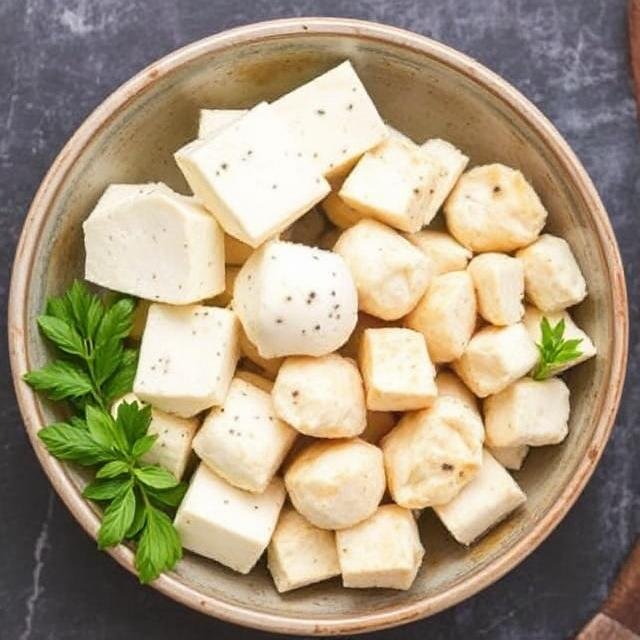
Paneer with tofu (Soy Paneer) Tofu, also known as soy paneer, is made by curdling fresh soy milk and pressing it into soft white blocks, much like dairy paneer.
It is mildly flavored, versatile, and used in countless dishes ranging from stir-fries and curries to smoothies.
Tofu is popular in Asian cuisines and is known for being low in calories but high in protein, calcium, and iron.
Soya Chunks.
Soya chunks are a by-product of extracting soybean oil. Granules, nuggets, or chunks are made from the defatted soy flour.
They expand and become spongy when cooked, which helps them absorb flavors well. They are frequently used in curries, pulao, and biryani as a low-cost, protein-rich meat substitute.
2. Nutritional Comparison
Let's examine the nutritional value of 100 grams of Tofu Paneer in comparison to Soya Chunks (dry weight).
Tofu Paneer (100 grams), soy chunks (100 grams dry), and nutrients Calories 144 kcal 345 kcal
Protein: 52 g, 15-17 g Fat 8 g 0.5 g
3–4 g of carbohydrates 33 g Fiber 1–2 g 13 g
Calcium 350 mg (varies) 350 mg
Iron, 5 to 6 mg, 20 mg Magnesium 30 mg 240 mg
Key Insights:
Protein: Soya chunks clearly dominate with over 50g of protein per 100g dry weight, compared to tofu’s ~16g.
Calories and Fat: Tofu has fewer calories and fat, making it easier for dieters to lose weight.
Fiber: Soya chunks have more fiber, which helps you feel fuller for longer. Micronutrients: Although both contain calcium and iron, soya chunks contain significantly more iron and magnesium.
3. Health Benefits of Tofu Paneer
1. Heart Health Friendly
Tofu has good unsaturated fats and little saturated fat, which may lower LDL cholesterol and lower the risk of heart disease.
2. Bone Durability Calcium and magnesium, which are essential for healthy bones, are abundant in fortified tofu, which is especially beneficial to vegetarians who avoid dairy.
3. Controlling one's weight Being low in calories and fat yet high in protein, tofu keeps you full while supporting lean muscle growth.
4. Hormonal Balance
Tofu contains phytoestrogens (isoflavones) that may help regulate hormonal imbalances, especially in women during menopause.
5. Anti-inflammatory Properties
Isoflavones in tofu have antioxidant effects, which may help reduce inflammation and oxidative stress.
4. Health Benefits of Soya Chunks.
1. Protein Powerhouse
With more than 50g protein per 100g dry weight, soya chunks are one of the richest vegetarian protein sources, making them ideal for bodybuilders and athletes.
2. Rich in Iron and Magnesium
High iron content helps prevent anemia, while magnesium supports muscle and nerve function.
3. Good for Weight Loss
High protein plus high fiber helps control appetite, reduces cravings, and boosts metabolism.
4. Reduction of Cholesterol Soya protein may improve heart health by lowering LDL cholesterol when consumed regularly, according to studies.
5. Skin and Bone Health Soya chunks contain phytoestrogens that may improve bone density and support youthful skin.
5. Potential Downsides
Tofu Paneer
May cause allergies in people with soy sensitivity.
Some varieties are processed with calcium sulfate, which may not suit those with kidney issues.
Low fiber compared to soya chunks.
Soybean Crunch Because they are processed, they lack soybeans' natural enzymes. Bloating, gas, and indigestion can result from excessive consumption.
Rich in phytoestrogens, which in very high amounts may affect hormone balance in men and women.
6. Best Ways to Eat Tofu Paneer and Soya Chunks.
How to Eat Paneer With Tofu Stir-fry with vegetables for a light meal.
Use in curries instead of dairy paneer for a vegan option.
Blend into smoothies for a creamy texture and protein boost.
Grill or bake for a healthy snack.
How to Eat Soybean Pieces Add to vegetable curries, pulao, and biryani. Use as a meat substitute in pasta, tacos, or cutlets.
Add it to stews and soups for extra protein. Hydrate chunks in warm water, squeeze, and stir-fry for quick snacks.
7. Who Should Choose What?
For Weight Loss: Tofu is better because it’s lower in calories and fat.
For Muscle Building: Soya chunks win due to their very high protein content.
For Heart Health: Tofu has healthier fats and is lighter on digestion.
For Iron Deficiency: Soya chunks are superior with higher iron levels.
For Hormonal Balance (especially women in menopause): Both are beneficial due to phytoestrogens, but tofu is gentler.
8. Final Verdict: Tofu Paneer vs. Soya Chunks
Both tofu paneer and soya chunks are excellent plant-based protein sources, but the choice depends on your nutritional needs and health goals.
If you are looking for a light, versatile, and heart-friendly protein source, go for tofu paneer.
If your goal is muscle building, iron intake, or budget-friendly protein, then soya chunks are the winner.
The healthiest approach is to include both in your diet in moderation, so you benefit from their complementary strengths the lightness and calcium of tofu, plus the protein and iron of soya chunks.






















Responses (0)
Sign in to share your thoughts.
Sign in