
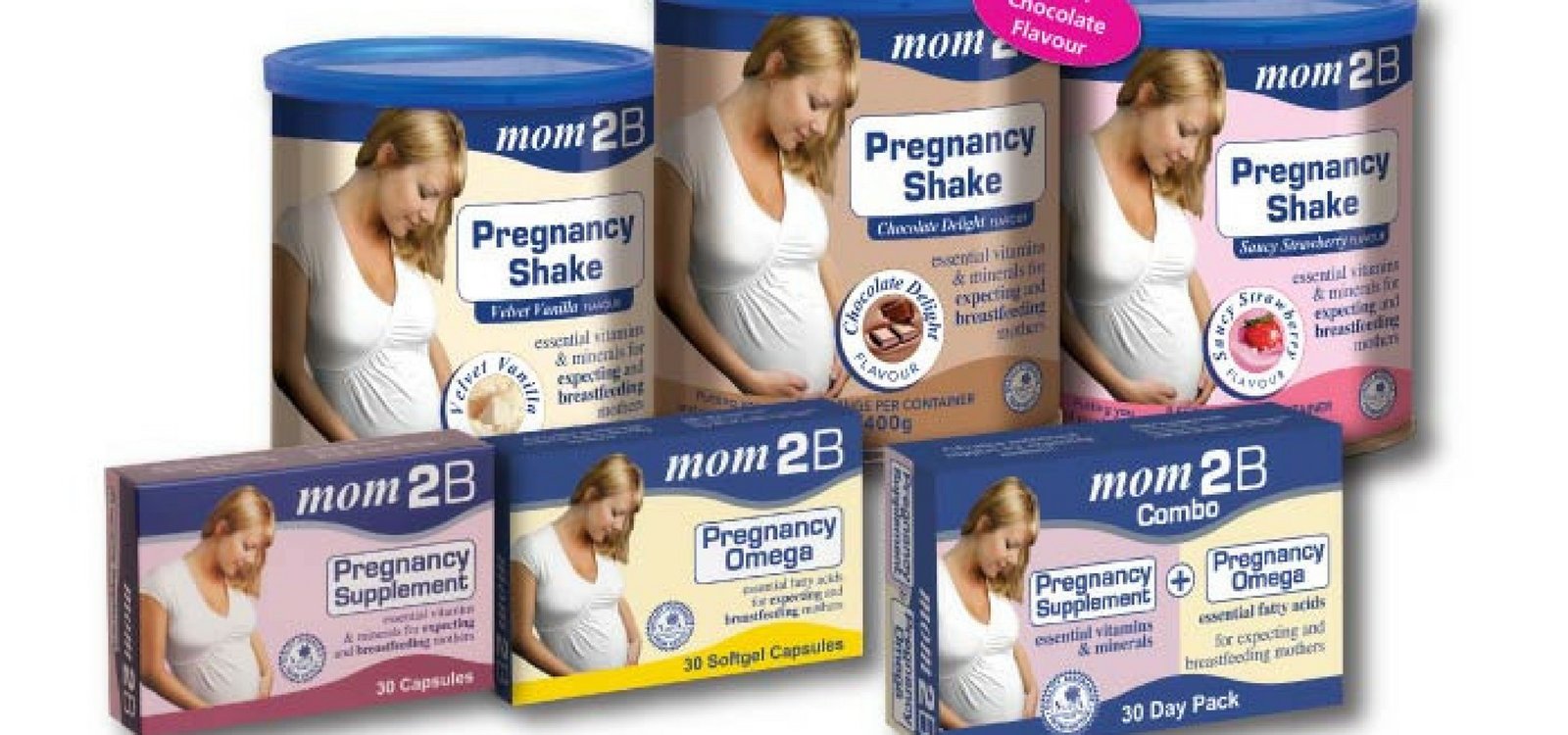
Discover the top 10 pregnancy supplements every mom-to-be needs, including folic acid, DHA, iron, and more for a healthy pregnancy and baby.
Pregnancy is a time of extraordinary growth—not just for your baby, but for your body too. To support the health of both mother and baby, getting the right nutrients is absolutely crucial. While a healthy, balanced diet is foundational, even the best meals can fall short of meeting the full nutritional needs during pregnancy. That’s where pregnancy supplements come in.
These carefully formulated vitamins and minerals fill essential gaps, help prevent complications, and promote healthy development from the first trimester through to delivery. But with so many options available, it’s important to know what to look for.
In this guide, we’ll break down the top 10 pregnancy supplements every expecting mom should consider. Whether you're just planning or already pregnant, this list will help you make informed, confident choices for you and your baby.
1: Folic Acid – A First-Trimester Must-Have
Folic acid (vitamin B9) tops every list of essential pregnancy supplements, and for good reason. It’s especially important in the first trimester—often even before you realize you’re pregnant.
Why it's essential:
- Helps prevent neural tube defects (like spina bifida)
- Supports brain and spinal cord development
- Aids in red blood cell formation
Doctors recommend taking at least 400–800 micrograms daily, starting before conception and through early pregnancy. Many prenatal vitamins include folic acid, but it’s also available as a standalone supplement.
2: Iron – For Oxygen and Energy
Pregnancy increases your blood volume by up to 50%, which means your need for iron skyrockets. This mineral supports oxygen flow to both you and your baby.
Benefits of iron supplementation:
- Prevents maternal anemia
- Reduces risk of low birth weight or premature birth
- Supports placenta and fetal growth
Most prenatal vitamins contain 27 mg of iron, the recommended amount during pregnancy. Be aware that iron can cause constipation—so hydration and fiber are key!
3: Calcium – Building Strong Bones and Teeth
Your baby pulls calcium directly from your body to build bones, teeth, and a healthy heart. If you’re not getting enough, your bones could suffer.
Why calcium matters:
- Helps form baby’s skeleton and teeth
- Supports maternal bone strength
- Aids muscle, nerve, and heart function
Aim for 1,000 mg daily from food and pregnancy supplements, especially if you’re dairy-free or lactose intolerant.
4: Vitamin D – Boost Immunity and Bone Health
Vitamin D helps your body absorb calcium and plays a vital role in your immune system and baby’s bone development.
What it supports:
- Calcium absorption
- Fetal bone growth and cell division
- Healthy maternal immune response
Most experts recommend 600 IU daily, though some women may need more depending on levels. A blood test can confirm if you’re deficient.
5: DHA – For Baby’s Brain and Eyes
DHA (docosahexaenoic acid) is an omega-3 fatty acid that supports fetal brain and eye development. It's especially crucial in the third trimester, when the baby’s brain is rapidly growing.
Why include DHA:
- Enhances baby’s cognitive and visual development
- May reduce risk of preterm labor
- Supports maternal mental health
Look for pregnancy supplements with at least 200–300 mg DHA daily. Plant-based or fish oil options are available.
6: Iodine – Crucial for Brain and Thyroid
Iodine often flies under the radar, but it’s essential for thyroid function—in both you and your developing baby.
Key roles:
- Supports fetal brain development
- Regulates thyroid hormones
- Prevents cognitive delays in infants
Pregnant women need 220 micrograms daily. Check that your prenatal vitamin includes it, or consider a separate supplement if needed.
7: Magnesium – Relieve Aches and Support Growth
This multitasking mineral eases common pregnancy discomforts and supports a healthy pregnancy.
Benefits include:
- Helps regulate blood sugar and blood pressure
- May reduce leg cramps and morning sickness
- Supports fetal growth and development
Aim for 350–400 mg per day from pregnancy supplements or magnesium-rich foods like spinach, nuts, and whole grains.
8: Choline – Brain Development Support
Although not always included in prenatal vitamins, choline is a critical nutrient for your baby’s brain development.
Why it matters:
- Supports brain and spinal cord formation
- Enhances cognitive development
- Works synergistically with folic acid
Expecting mothers need around 450 mg daily, yet many don’t get enough from diet alone. Check labels or ask your provider for recommendations.
9: Zinc – Immune and Cell Support
Zinc plays a key role in immune function, cell division, and tissue repair—making it essential during pregnancy.
Benefits:
- Strengthens immune system
- Supports fetal development and DNA synthesis
- May reduce risk of preterm delivery
The recommended intake is 11–13 mg daily. If your prenatal vitamin falls short, consider a separate zinc supplement.
10: Probiotics – Digestive and Immune Health
Pregnancy often comes with digestive challenges. Probiotics help maintain gut balance and may support overall immunity for both mom and baby.
What they do:
- Improve digestion and reduce bloating
- May lower risk of gestational diabetes
- Support vaginal health and immunity
While not considered “essential,” many moms swear by probiotic pregnancy supplements for comfort and overall wellness. Choose a trusted brand with proven strains.
Conclusion
Your body is working overtime to grow a healthy baby, and it needs all the nutritional support it can get. From folic acid to DHA, these top pregnancy supplements help fill dietary gaps and support a strong, healthy pregnancy.
Choosing the right supplements doesn’t have to be overwhelming. Start with a high-quality prenatal vitamin, then add extras as needed based on your diet and doctor's advice. Nourish your body, support your baby, and enjoy this beautiful chapter with confidence.






















Responses (0)
Sign in to share your thoughts.
Sign in