
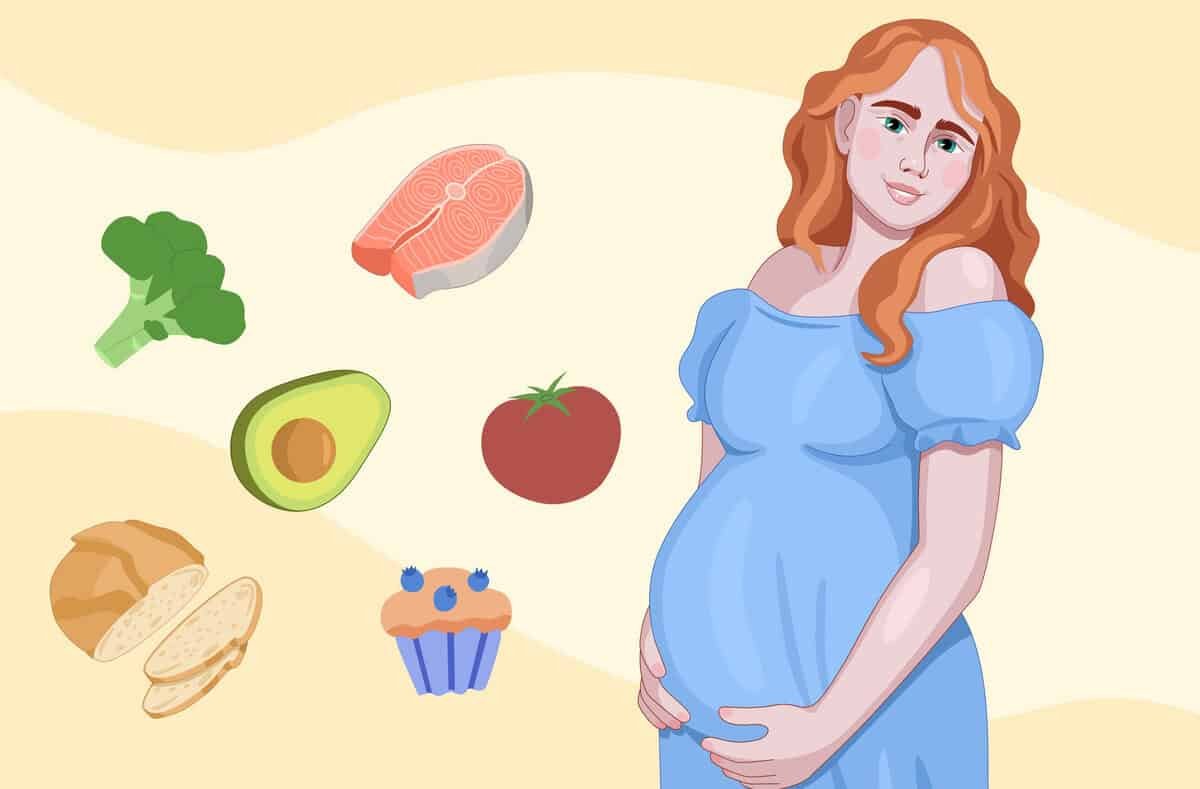
Why Your Pregnancy Diet Matters
Discover the top 10 foods to include in your pregnancy diet for a healthy baby and balanced nutrition. Fuel your pregnancy journey with these must-have essentials.
Pregnancy is a transformative journey—physically, emotionally, and nutritionally. What you eat during this time plays a crucial role in your baby’s growth and your own well-being. A balanced pregnancy diet not only fuels your changing body but also builds the foundation for your baby's development. From brain-building fats to bone-strengthening calcium, every bite counts.
But with countless food choices and conflicting advice, many expectant mothers feel overwhelmed. What should you eat daily? Which nutrients are non-negotiable? This article breaks it down for you. Below, we highlight the top 10 foods you should include in your pregnancy diet, based on nutrition, safety, and prenatal benefits.
Whether you're in your first trimester or nearing the finish line, these food choices can help you feel your best while supporting a healthy pregnancy.
1. Leafy Greens: Iron and Folate Powerhouses
Leafy greens like spinach, kale, Swiss chard, and collard greens are pregnancy superfoods. They are loaded with folate (vitamin B9), which is essential in preventing neural tube defects like spina bifida in early pregnancy.
They’re also a great source of:
- Iron, which helps increase blood volume and prevent anemia
- Calcium for strong bones and teeth
- Fiber to combat pregnancy-related constipation
Eating greens raw in salads or blended into smoothies is ideal for preserving nutrients. However, lightly steaming them makes them easier to digest and may reduce bloating. Add them daily to your meals to boost your pregnancy nutrition naturally.
2. Eggs: A Complete Prenatal Protein
Eggs are one of the best sources of complete protein, meaning they contain all nine essential amino acids. One large egg also provides choline, a lesser-known nutrient that supports fetal brain development and helps prevent neural tube defects.
In addition to protein and choline, eggs provide:
- Vitamin D for bone development
- Healthy fats for hormone regulation
- B vitamins to support energy production
Just make sure to cook eggs thoroughly during pregnancy to avoid the risk of salmonella. Enjoy them boiled, scrambled, or as omelets filled with veggies for a satisfying, nutrient-dense meal.
3. Greek Yogurt: Calcium, Probiotics, and Protein
Greek yogurt is a triple threat in the pregnancy diet world: it’s high in calcium, loaded with probiotics, and rich in protein. Your growing baby needs calcium to develop strong bones, teeth, and muscles, while you need it to maintain your own bone density.
Look for plain, full-fat Greek yogurt with live active cultures to support gut health and immune function. This is especially helpful if you're prone to constipation, bloating, or indigestion during pregnancy.
Bonus: Greek yogurt is also a natural source of iodine and B12, both essential for fetal brain and nervous system development.
4. Berries: Antioxidant-Rich Sweet Treats
Strawberries, blueberries, raspberries, and blackberries are packed with vitamin C, fiber, antioxidants, and natural hydration. These fruits support tissue repair, boost your immune system, and help your body absorb more iron—a key nutrient during pregnancy.
Berries can:
- Reduce inflammation
- Promote healthy skin
- Support cell development for your baby
Their natural sweetness makes them a perfect alternative to sugary cravings. Add them to oatmeal, smoothies, yogurt, or just enjoy a handful as a snack.
5. Salmon: Omega-3s for Brain Development
Salmon is one of the safest and most beneficial types of fish to eat during pregnancy. It's rich in DHA and EPA omega-3 fatty acids, which are critical for fetal brain and eye development.
Salmon also provides:
- High-quality protein
- Vitamin D for calcium absorption
- Selenium for immune health
It’s recommended to eat two servings (about 8-12 oz) of low-mercury fish like salmon each week. Grill, bake, or steam it to preserve its nutrients. Avoid raw or smoked salmon to reduce the risk of foodborne illness.
6. Lentils: Plant-Based Protein and Folate
Lentils are nutritional gold for pregnant women, especially if you’re vegetarian or vegan. Just one cup of cooked lentils delivers about 90% of your daily folate needs, plus 18 grams of protein and a good dose of iron.
Other benefits include:
- Fiber to ease digestion
- Potassium for blood pressure regulation
- Magnesium for muscle and nerve function
Toss lentils into soups, curries, or salads for a budget-friendly way to fuel your pregnancy. Their mild flavor pairs well with herbs and spices.
7. Avocados: Healthy Fats for Baby’s Brain
Avocados are rich in monounsaturated fats, which help form your baby’s brain and nervous system. They’re also a great source of:
- Potassium (more than bananas!)
- Folate
- Vitamin K, vitamin E, and vitamin C
These creamy fruits can help relieve leg cramps, reduce morning sickness, and provide a feeling of fullness. Spread avocado on toast, add to salads, or blend into smoothies. They’re a versatile, nutrient-dense addition to any pregnancy meal plan.
8. Bananas: Potassium for Energy and Muscle Function
Bananas are a pregnancy staple—they’re easy to digest, portable, and packed with potassium, which helps reduce water retention and leg cramps.
They also contain:
- Natural sugars for quick energy
- Vitamin B6, which can reduce nausea
- Fiber to aid digestion
Bananas are especially helpful during the first trimester when appetite is unpredictable. Pair with peanut butter, add to oatmeal, or toss one into a smoothie.
9. Sweet Potatoes: Beta-Carotene and Fiber
Sweet potatoes are rich in beta-carotene, which the body converts into vitamin A—vital for fetal growth, skin development, and immune health.
They also offer:
- Fiber for smooth digestion
- Complex carbs for sustained energy
- Vitamin C to support collagen production
Vitamin A is essential but should be sourced from food (not supplements), as excess synthetic vitamin A can be harmful. Sweet potatoes are a delicious, safe way to meet your needs. Bake, roast, or mash them for a comforting side dish.
10. Nuts and Seeds: Nutrient-Dense Snacks
Nuts and seeds like almonds, walnuts, chia seeds, and flaxseeds are excellent sources of healthy fats, fiber, and plant-based protein. They're rich in:
- Magnesium for reducing the risk of preterm labor
- Iron
- Zinc for immune health
They're also perfect for on-the-go snacking. Sprinkle them on yogurt, add to oatmeal, or blend into smoothies. A small handful a day is enough to boost your pregnancy diet naturally while keeping you full and energized.
Conclusion: Eat Smart, Grow Strong
Your pregnancy diet isn’t just about eating more—it’s about eating smart. Choosing the right foods helps your baby grow strong and keeps you feeling energized, balanced, and supported throughout each trimester.
Incorporate a variety of these nutrient-rich foods into your daily meals to meet your nutritional needs naturally. Always consult with your healthcare provider for personalized guidance, especially if you have food sensitivities or health concerns.















Responses (0)
Sign in to share your thoughts.
Sign in