
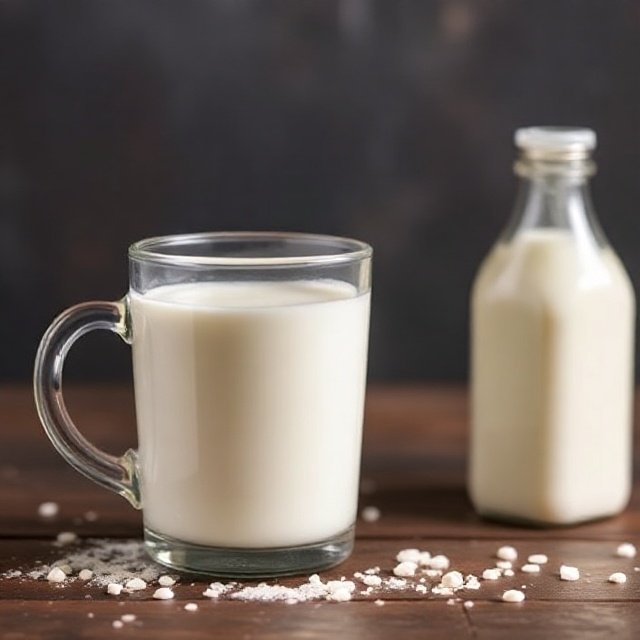
Which is best for drinking: hot or cold milk?
Milk has long been a staple of human diets due to its abundance of nutrients and adaptability.
Milk provides proteins, calcium, vitamins, and minerals that help support overall health whether it is consumed directly or used in tea, coffee, smoothies, or desserts.
However, a common point of contention is whether hot or cold milk is preferable for drinking. Both forms have their own unique benefits, and the choice often depends on health goals, digestion, and personal preference.
Let’s explore the advantages and disadvantages of cold milk and hot milk to help you decide which is best for you.
Comparing the nutritional value of cold and hot milk From a nutritional standpoint, both cold and hot milk offer similar core nutrients:
Proteins: Casein and whey support muscle repair and strength.
Calcium: Essential for bone and teeth health.
Vitamins: B12, riboflavin, and vitamin D (fortified in some regions).
Fats and Carbohydrates: Provide energy and satiety.
The difference lies in how temperature affects digestion, absorption, and the way the body responds.
If it is raw or unpasteurized, cold milk keeps its enzymes and probiotics, but hot milk can be soothing and easier to digest, especially at night.
Benefits of Drinking Cold Milk
1. Effects on the Body of Cooling Cold milk is refreshing during hot summers because it helps regulate body temperature. It has the potential to stop heat-related issues like heat stroke and dehydration.
2. Prevents Acidity and Heartburn
Cold milk is alkaline in nature and helps neutralize stomach acid, offering quick relief from acidity, heartburn, and gastric irritation.
3. Boosts Energy and Alertness
Because it keeps the natural lactose sugar, which serves as a quick fuel, cold milk is energizing. A cold glass of milk in the morning can instantly rehydrate you.
4. Good for Recovering After a Workout Cold milk, especially when mixed with protein powder, is an excellent post-workout drink. It cools down the body, replenishes lost fluids, and provides muscle-repairing proteins.
5. Contributes to Healthy Skin Cold milk, rich in lactic acid, can also work as a natural skin cleanser when applied externally. It hydrates the skin from within when consumed, giving it a radiant glow.
Benefits of Drinking Hot Milk.
1. Promotes Better Digestion
Warm milk is easier to digest because heating breaks down milk proteins slightly, making them gentler on the stomach. Additionally, it increases blood flow, which aids in nutrient absorption.
2. Encourages Relaxation and Sleep
Hot milk is known to help people sleep naturally. The amino acid tryptophan in milk boosts serotonin and melatonin production, helping the body relax and promoting restful sleep.
3. Soothes Sore Throat and Cold
Warm milk can relieve irritation from a sore throat and help loosen mucus during coughs and colds, especially when combined with turmeric or honey.
4. Keeping the Body Warm in Cold Weather In winter, hot milk provides warmth and comfort, helping maintain body temperature and keeping the immune system strong.
5. Suitable for Spice Mixing Heating is required for many traditional health drinks, like turmeric milk (haldi doodh) and saffron milk. Warm milk enhances the effectiveness of spices, making it a therapeutic choice.
Cold Milk vs Hot Milk: Best Times to Drink.
Cold Milk: Best consumed in the morning or afternoon for an instant energy boost, cooling the stomach, and refreshing the body.
Hot Milk is great for relaxing, calming the nerves, and improving quality of sleep in the evening or before bedtime.
Who Should Prefer Cold Milk?
people with acid reflux or acidity in their stomachs. Those living in hot climates or during summer seasons.
Fitness enthusiasts needing a post-workout recovery drink.
individuals seeking a caffeine-free, energizing beverage.
Who Should Choose Warm Milk? Individuals with weak digestion or frequent bloating.
People who suffer from insomnia or poor sleep quality.
anyone who has a cold, sore throat, or respiratory problem. People who require warmth and live in cold regions.
Myths and Mythologies.
1. It is more difficult to digest cold milk than hot milk. Not entirely true. Cold milk can be difficult to digest for those with weak digestion, but it is just as easy to digest for healthy people.
2. “Heating milk destroys nutrients.”
Nutrition is not significantly diminished by mild heating. However, some vitamins, like the B-complex and vitamin C, can be destroyed if milk is boiled for an excessive amount of time.
3. "Hot milk always induces sleepiness." Warmth and tryptophan are what produce the calming effect, but not everyone wakes up after drinking hot milk.
Potential Negative Effects Cold Milk: Can cause bloating or discomfort in people with lactose intolerance or sensitive digestion.
Hot Milk: If overheated, proteins may denature, leading to reduced taste and slight nutrient loss.
Which is superior, hot or cold milk? There is no solution that works for everyone. Both hot and cold milk have their own advantages: Choose cold milk if you want instant refreshment, acidity relief, or a cooling post-workout drink.
Choose hot milk if you want comfort, better digestion, relaxation, or a natural sleep aid.
Ultimately, the best choice depends on your health condition, climate, and time of day.
Many people benefit from consuming cold milk during the day and warm milk at night, balancing both worlds.























Responses (0)
Sign in to share your thoughts.
Sign in