
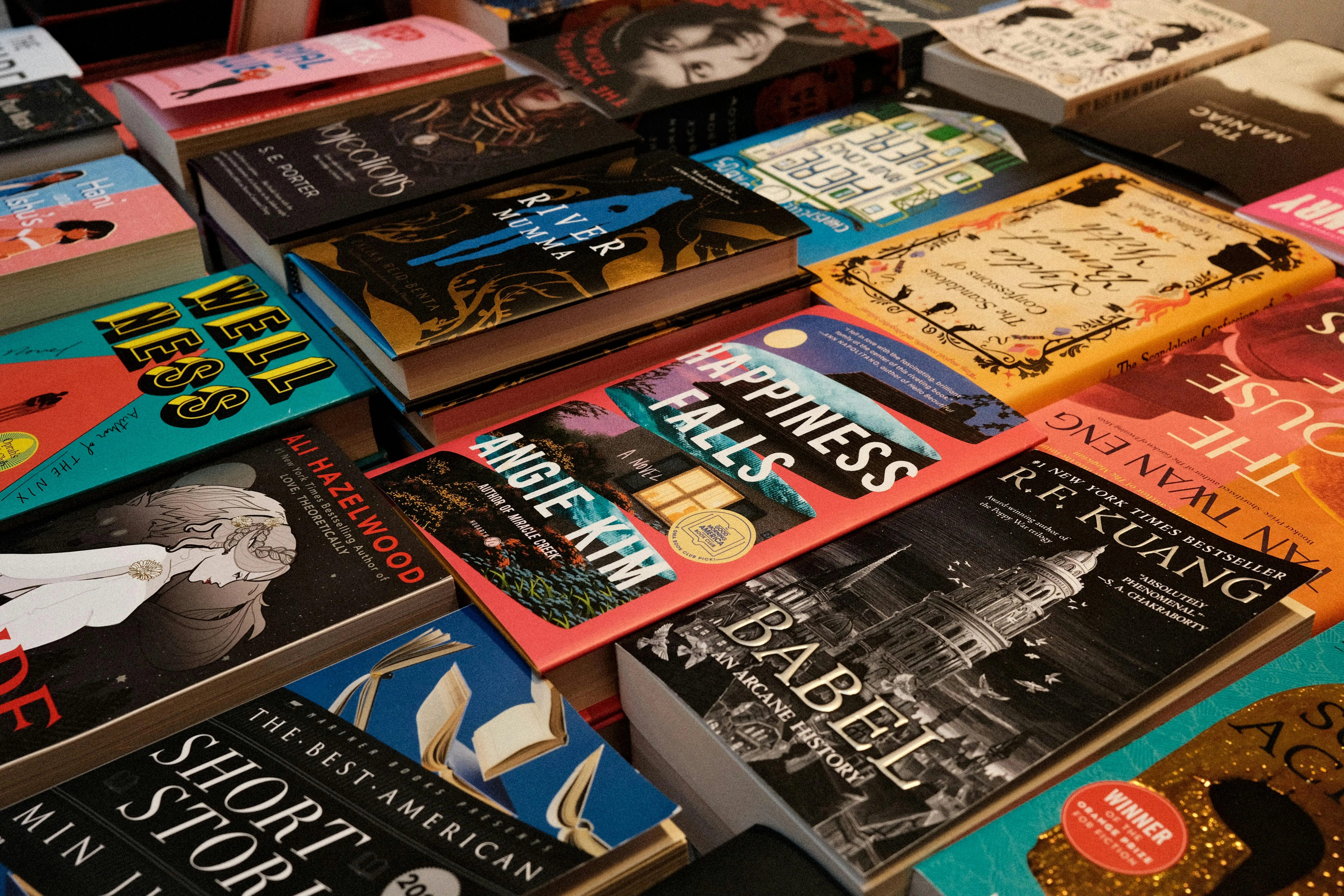
Why AI Didn't Make Me a Better Writer?
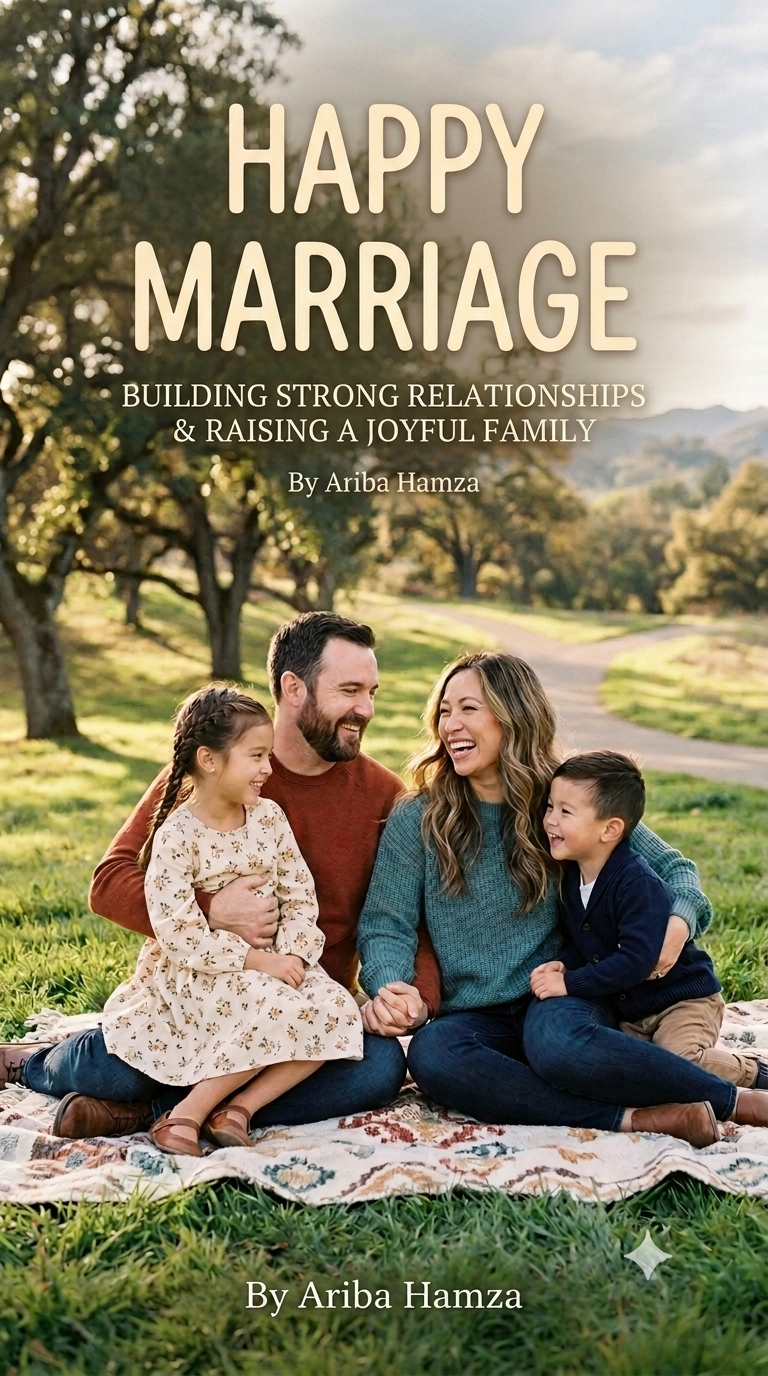
Are Self-Help Books Really Useful?
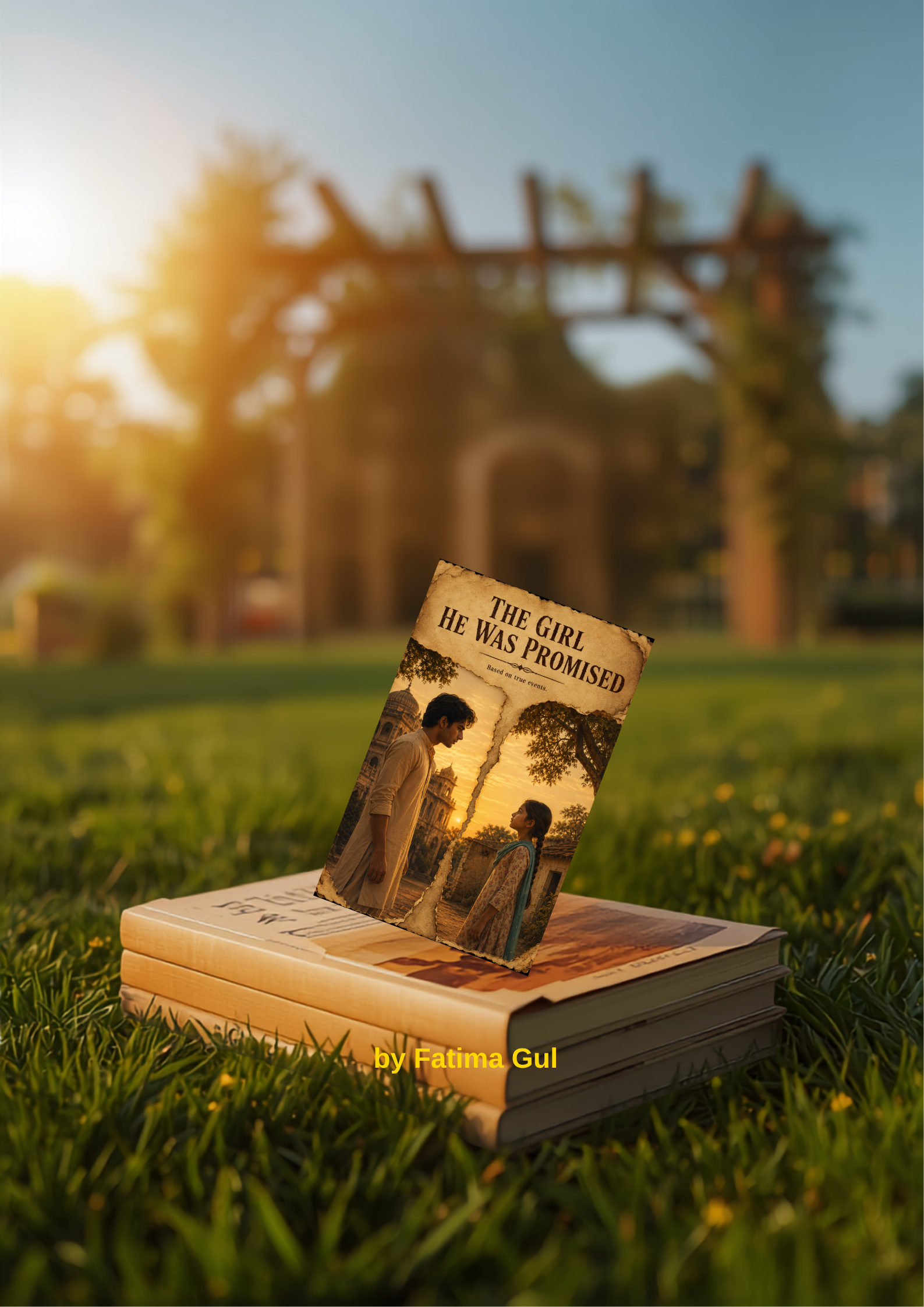
How Fiction Books Made Me Write Well?
Wrap Up
More from ArticlePaid

Rewire Your Brain After Writing: A Mental Reset for Writers
If you’ve ever finished writing an article, blog post, or client draft, only to sit there staring at the screen, mentally exhausted but unable to relax, yo

25 Habits That Will Completely Change Your Life in 2026
25 Habits That Will Completely Change Your Life in 2026If 2025 taught us anything, it’s that life changes fast—and those who win are the ones who grow fast

You Don't Have to Sound Like An Expert to Be Heard Online
Writers were being taught to sound like experts to express their thoughts, emotions, and expertise, and be heard online. If you are being told that you hav
Writing In Too Many Languages: Beat Linguistic Burnout Without Any Guilt
One minute you're drafting an email in English to the client. Next, you're replying to WhatsApp messages in Roman Urdu and discuss...

Why Everyone Needs a Good Book for Self-Care Reading?
Discover the power of selfcare reading! Explore why a good book is essential for relaxation, personal growth, and mental well-being. Your journey to inner peace starts with the perfect read!

Women Empowerment (Pakistani Women are not less then anyone)
Pakistani women have been breaking barriers and making significant contributions to various fields, inspiring a generation of young girls and women around
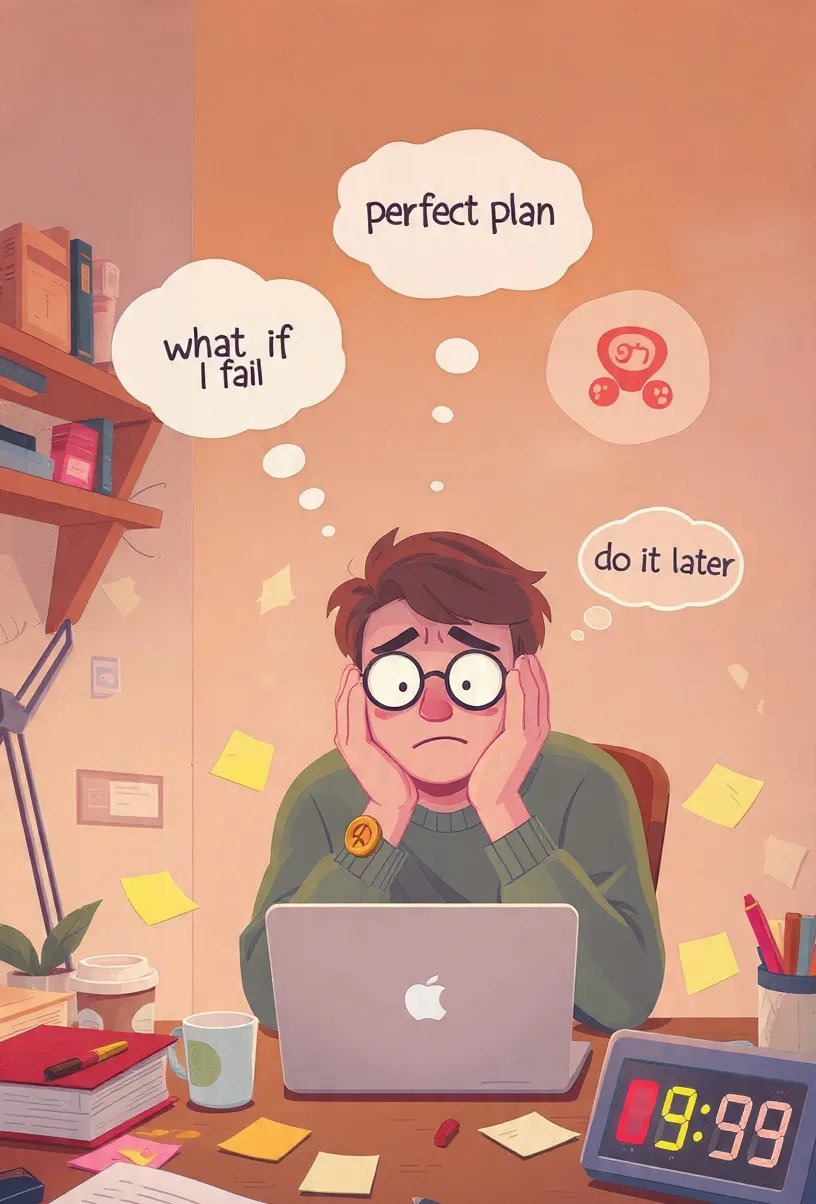
Why Smart People Procrastinate the Most?
They’re Not Lazy. They’re Just Overthinking Everything.__Let’s kill the lie first.If you’re smart and you procrastinate, it doesn’...

How to Stop Caring About What People Think about you
We’ve all been there — replaying conversations in our head, wondering if we said the wrong thing, worrying about how others see us. Caring what people thin

How to Spot Lies, Handle Stress, and Avoid Backfiring Lies
Lying happens every day—sometimes small, sometimes sneaky. Here’s your quick guide to spotting it, handling it, and avoiding messes.How to Tell if Someone
Weekly Top Articles
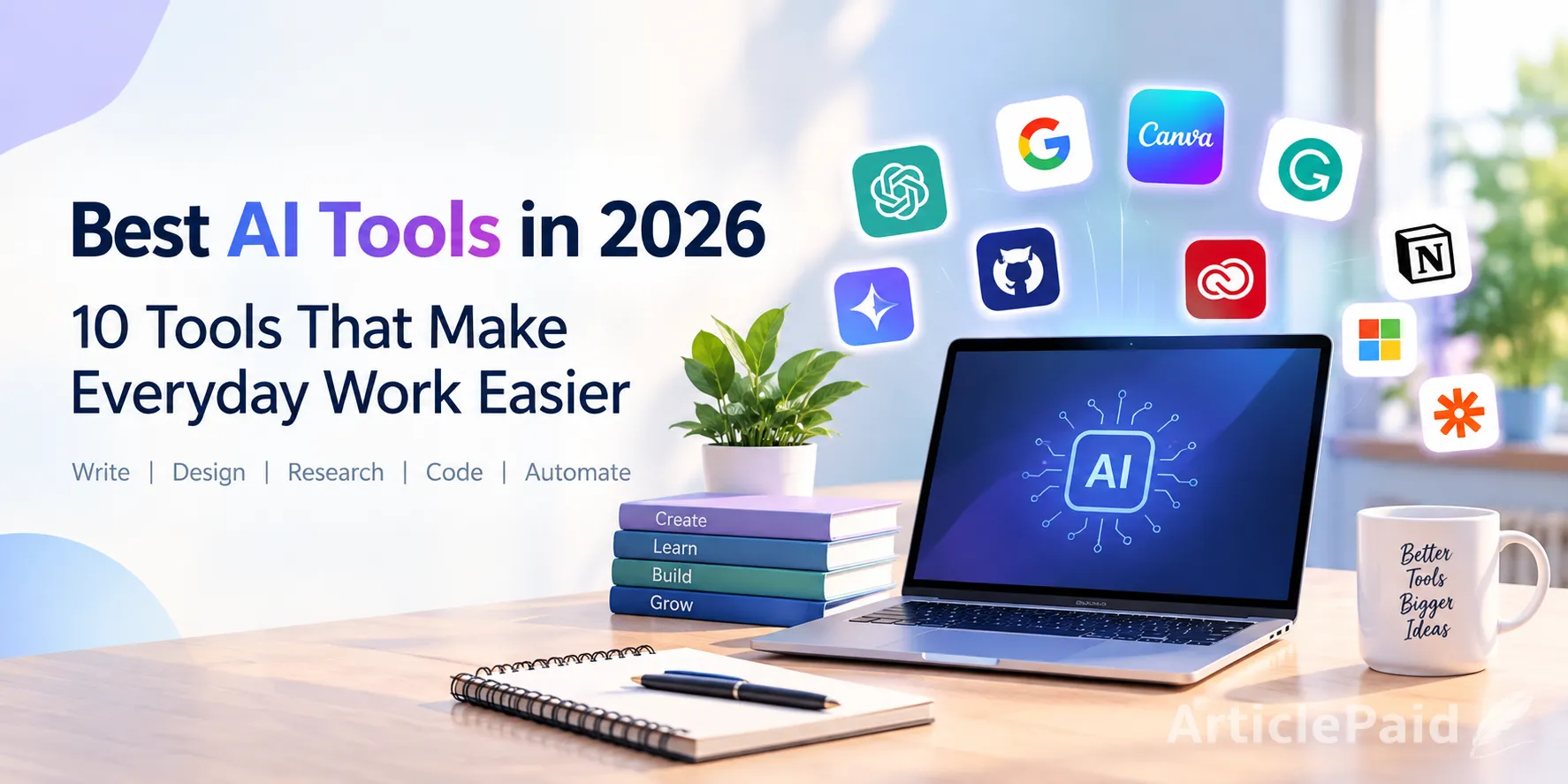
Best AI Tools in 2026: 10 Tools That Make Everyday Work Easier
Artificial intelligence has become a practical part of everyday work in 2026. From writing and research to graphic design, coding,...

10 Future-Ready Courses Writers Should Consider in 2027
The Concept of Writing Skills Has Changed The role of a great writer is no longer about putting words together to form a good...

Money and Peace Together: 5 Hobbies That Can Earn You Extra Income Today
IntroductionIt is no secret that a person’s leisure time is often limited due to the ongoing hustle for money. However, in some ca...

Creamy Garlic Butter Chicken: A Weeknight Dinner Worth Repeating
Every so often, a dish takes over your social feed and you wonder if it's really that good. This one is. Tender chicken sits in a ...

Top 10 Online Courses to Learn in 2026 for a Successful Future Career
IntroductionThe online courses market is on the rise in 2026, and there are plenty of options suitable for students, job seekers. ...

7 AI Skills Paying $100 Daily In 2026 (No Degree Required)
IntroductionThe world of Artificial Intelligence is booming, offering unprecedented opportunities to make a living and build a sus...




Responses (0)
Sign in to share your thoughts.
Sign in