

Meta Description: Discover how Artificial Intelligence (AI) is revolutionizing education in 2025, from personalized learning to smart classrooms, making learning more efficient and engaging.
Introduction
Education has always been the foundation of progress, but in 2025, it is undergoing a major transformation thanks to Artificial Intelligence (AI). From virtual tutors to intelligent grading systems, AI is reshaping how students learn and teachers teach. With global demand for digital learning increasing, AI is not just a trend but a necessity in modern classrooms.
Personalized Learning for Every Student
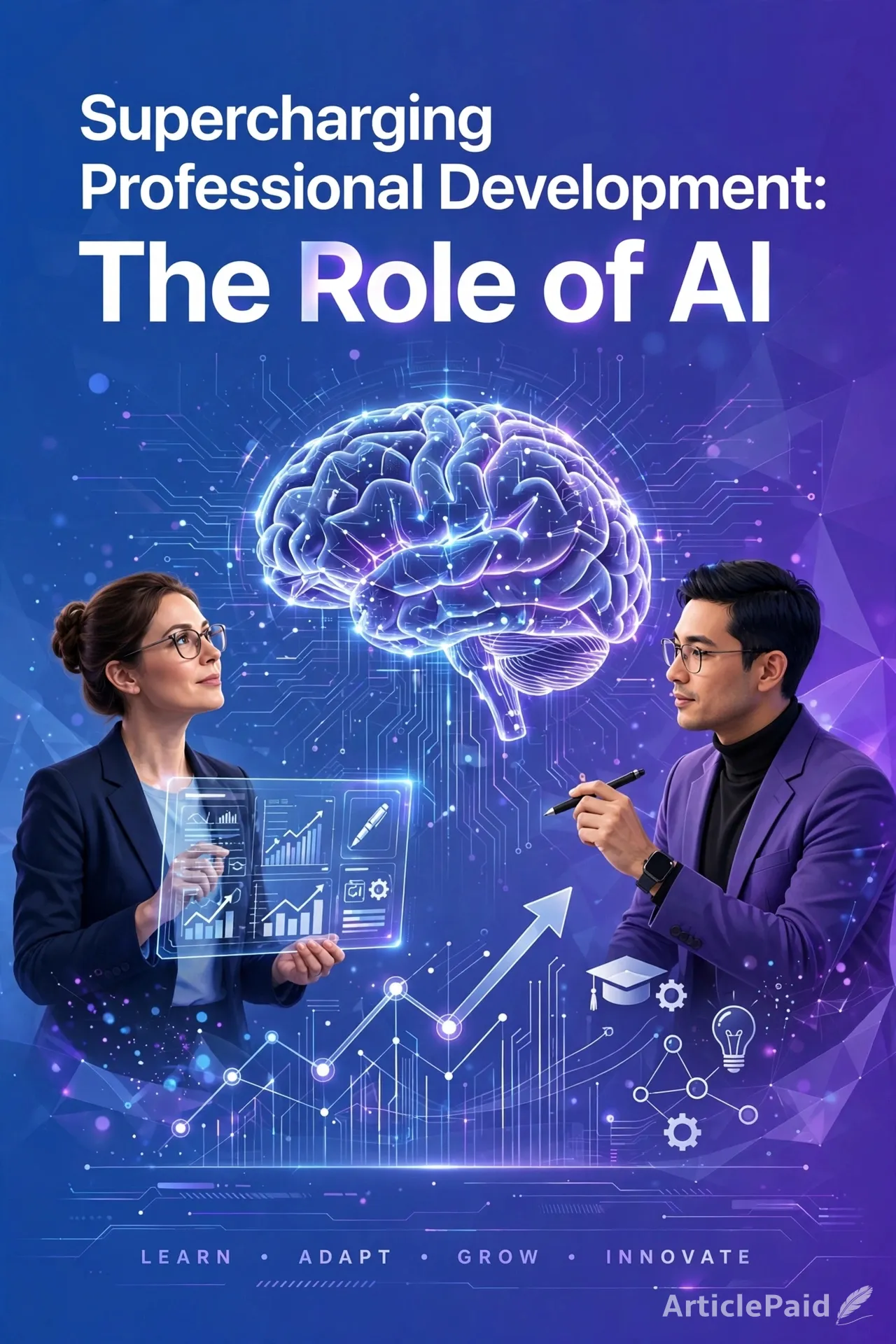
AI-powered personalized learning is revolutionizing the way students learn.
Traditional classrooms often follow a “one-size-fits-all” approach, but AI systems analyze each student’s performance, learning style, and pace. This allows the creation of customized study plans that help students learn more effectively.
For example, AI-powered platforms can recommend additional exercises to a struggling student while offering advanced content to faster learners, ensuring no one is left behind. He was one of the first students to experience AI-based tutoring in 2025, and his performance showed significant improvement, proving the effectiveness of the system.
Virtual Tutors and 24/7 Learning Support
In 2025, students are no longer limited to classroom hours. AI-powered virtual tutors are available round the clock, helping students with homework, assignments, and even test preparation. These AI assistants provide instant feedback, making learning more interactive and accessible to students worldwide.
This innovation is especially useful in remote areas where access to quality teachers is limited.
Smarter Classrooms with AI Integration
AI is also making classrooms smarter. From voice recognition systems that take attendance to AI-driven learning management systems that track progress, technology is improving efficiency. Teachers can now spend more time focusing on creativity and critical thinking instead of routine tasks like grading or record-keeping.
Moreover, AI-powered translation tools are breaking language barriers, enabling international students to learn in their preferred language.
Preparing Students for the Future
Beyond academics, AI is equipping students with future-ready skills. By integrating AI-based simulations, gamified learning, and coding tools, students are better prepared for careers in technology, science, and business. This shift ensures education stays relevant in an AI-driven job market.
Conclusion
AI is no longer a distant dream; it is actively transforming education in 2025. From personalized learning paths to smart classrooms and round-the-clock virtual tutors, AI is creating a system that is more inclusive, efficient, and engaging. While challenges like data privacy and teacher training remain, the future of education clearly belongs to AI-powered innovation.
FAQs
Q1: How does AI help students in learning?
AI provides personalized learning experiences, identifies weaknesses, and recommends study materials tailored to individual needs.
Q2: Will AI replace teachers in the future?
"AI is meant to augment teachers, not replace them."It automates repetitive tasks, allowing educators to focus on creativity and mentorship.
Q3: Is AI in education only for developed countries?
Not at all. With affordable AI-based learning platforms and mobile apps, even students in developing countries are gaining access to better education.
Q4: What skills will students learn through AI?
Students will gain critical thinking, problem-solving, coding, and digital literacy skills, preparing them for future jobs.
Q5: What challenges does AI face in education?
The main challenges include data security, the cost of implementation, and ensuring teache
rs receive proper training to use AI effectively.



















Responses (0)
Sign in to share your thoughts.
Sign in