

Earning money by teaching online has evolved from a side hustle into a massive global industry. Whether you want to tutor students one-on-one or create a passive income stream through recorded courses, the barrier to entry has never been lower.
Here is a breakdown of how to get started, a visual guide for your YouTube content, and a comprehensive essay on the landscape of online education in 2026.
1. How to Start Earning
To succeed, you need to choose the right model for your teaching style:
- One-on-One Tutoring: Platforms like Preply, italki, and Cambly allow you to teach languages or academic subjects. You set your hourly rate and schedule.
- Course Creation: Use Udemy, Skillshare, or Teachable to record a series of lessons once and sell them to thousands of students for passive income.
- Live Group Classes: Outschool is excellent for teaching creative topics (like gaming, art, or coding) to kids in small groups.
- Freelance Help: Sites like Studypool pay you to answer specific academic questions or share your study notes.
2. Thumbnail Design (Visual Strategy)
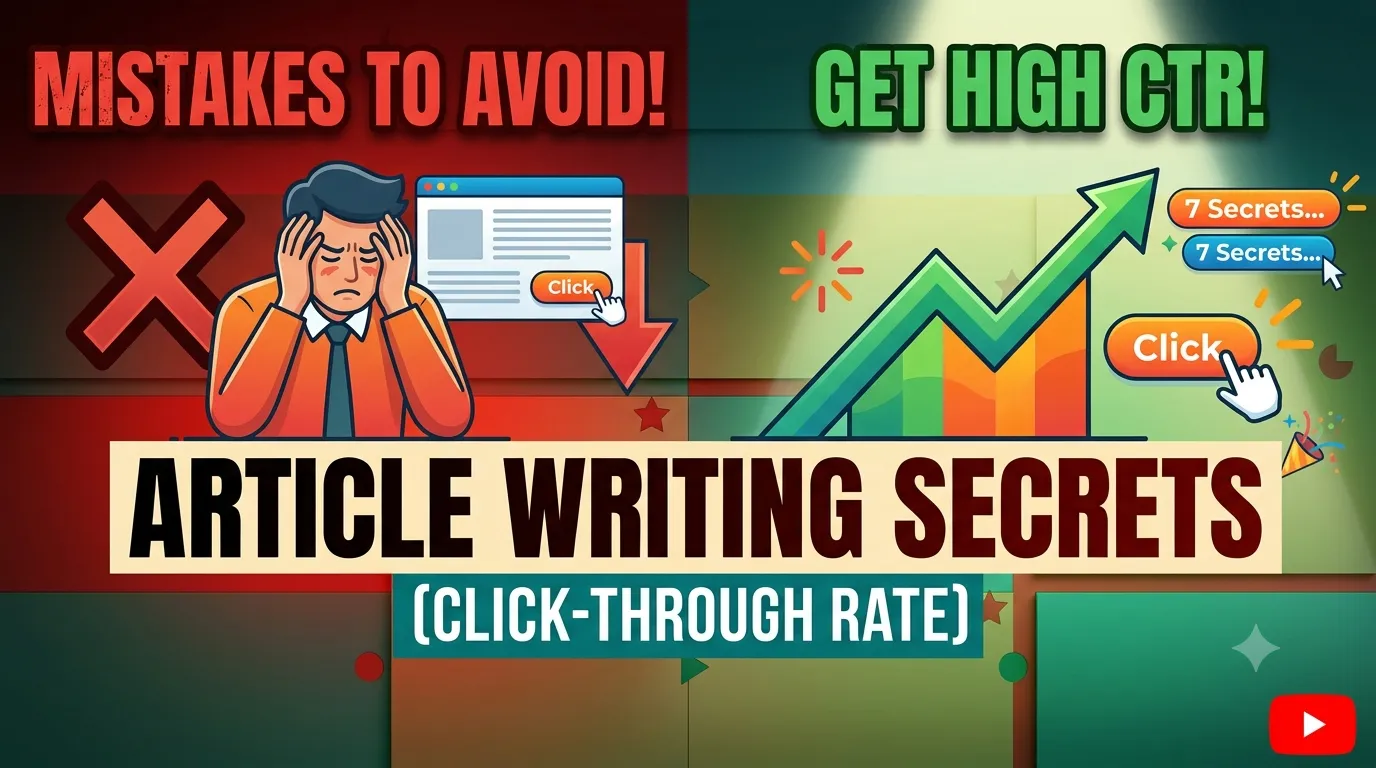
If you are promoting your teaching on YouTube or social media, your thumbnail is your "storefront."
The Winning Formula for an Education Thumbnail:
- The "Hook" Text: Use 3–4 words in a bold, sans-serif font (e.g., "EARN $50/HR," "TEACH ANYTHING").
- High-Contrast Colors: Use a bright background (Yellow or Blue) with dark text, or vice versa.
- Human Element: Include a high-quality photo of your face with an expressive emotion (surprised, smiling, or pointing).
- Logo Credibility: Add the logo of the platform you are talking about (e.g., the Preply or Zoom logo).
Pro Tip: Use Canva or Adobe Express. Search for the "YouTube Thumbnail" template to get the exact dimensions (1280x720 pixels).
3. Essay: The Future of Income Through Online Teaching
Introduction
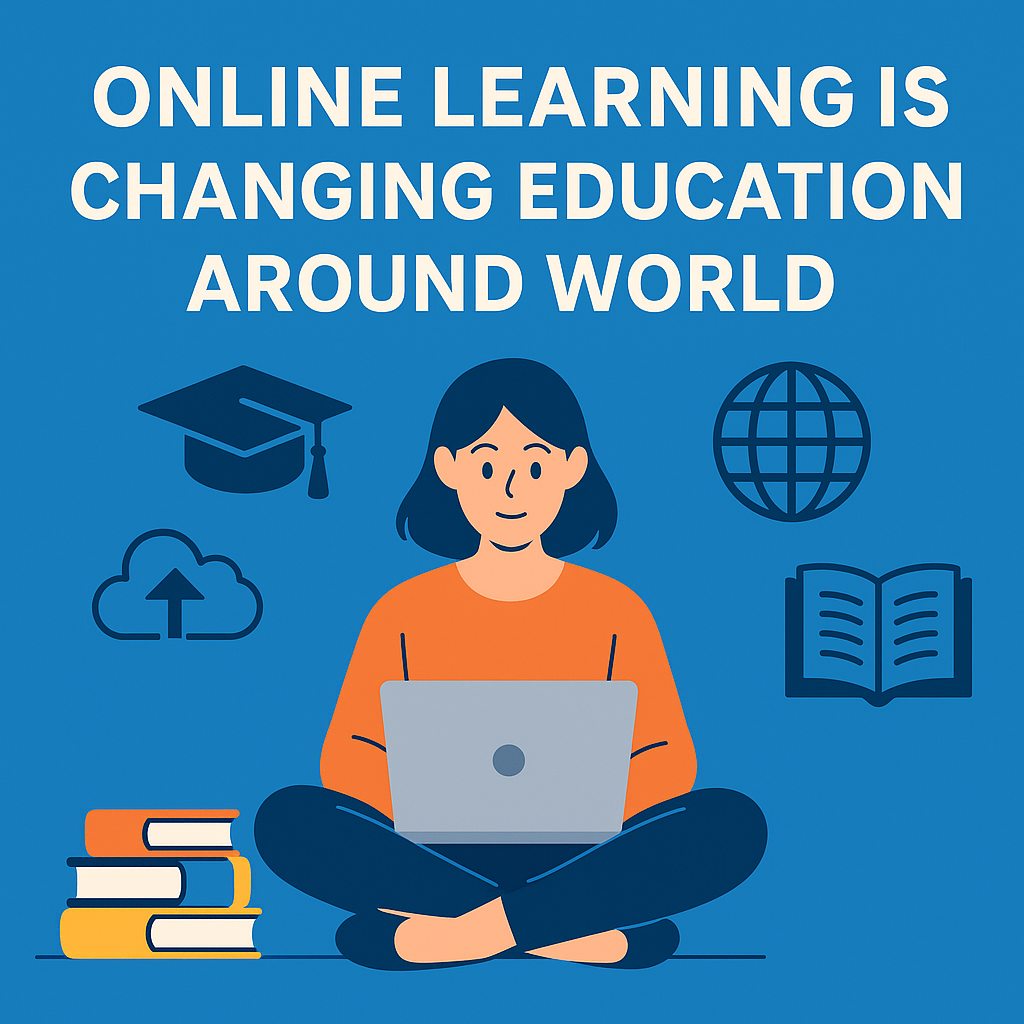
- The digital revolution has dismantled the traditional four-walled classroom, replacing it with a global, interconnected marketplace of knowledge. Online teaching has emerged not just as an alternative to physical schooling, but as a primary source of income for millions of experts, hobbyists, and certified educators worldwide. As we navigate 2026, the ability to "monetize your mind" has become a cornerstone of the modern gig economy.
The Benefits: Flexibility and Scale
- The primary appeal of online teaching lies in its unparalleled flexibility. Unlike traditional roles, digital educators can curate their own schedules, allowing for a better work-life balance. Furthermore, online teaching offers "scalability." In a physical classroom, a teacher is limited to 30 students; online, a well-crafted course on a platform like Udemy can reach 30,000 students simultaneously. This shifts the earning potential from a fixed salary to a scalable business model where income is limited only by the quality and demand of the content.
The Challenges: Saturation and Technology
- However, the path is not without obstacles. The low barrier to entry means the market is highly competitive. To stand out, teachers must move beyond basic instruction and become "edupreneurs"—blending teaching skills with digital marketing, video editing, and community management. Additionally, "zoom fatigue" and the digital divide remain significant hurdles. Educators must work harder to keep students engaged through screens, often requiring investment in better hardware like high-definition cameras and noise-canceling microphones.
Conclusion
- Online teaching represents a democratization of education. It empowers anyone with a skill—from high-level calculus to sourdough baking—to find an audience and build a livelihood. While it requires a blend of technical savvy and pedagogical excellence, the rewards of financial independence and global impact make it one of the most viable career paths in the digital age.















Responses (0)
Sign in to share your thoughts.
Sign in