
The Ultimate Guide to Weight Loss Foods: What to Eat for a Healthier You
Discover the best weight loss foods that boost metabolism, reduce hunger, and support long-term health. Eat smarter, lose weight naturally.
Losing weight isn’t just about eating less. It’s about eating smarter. The foods you choose can either slow down your progress or speed it up dramatically. While no single food can magically melt fat, some foods are packed with nutrients that boost metabolism, reduce hunger, and make it easier to stay on track.
This guide explores the best weight loss foods, why they work, and how you can add them to your daily meals.

Why Food Matters in Weight Loss
Most people focus on exercise when they want to lose weight, but diet plays a bigger role. Research shows that weight loss is about 70–80% dependent on what you eat and only 20–30% on physical activity. That doesn’t mean exercise isn’t important, but your diet sets the foundation.
Foods high in fiber, protein, and healthy fats help control appetite and prevent overeating. On the other hand, processed foods loaded with sugar and unhealthy fats can make you hungrier and slow your progress. Choosing the right foods means you’ll feel fuller with fewer calories.
Key Principles of Weight Loss Eating
Before we dive into the list of specific foods, here are some simple rules to keep in mind:
- Focus on whole foods – Fresh, unprocessed foods provide the best nutrients.
- Prioritize protein – Protein helps build muscle, which burns more calories even at rest.
- Eat more fiber – Fiber keeps you full longer and supports digestion.
- Choose healthy fats – Fats from nuts, seeds, avocados, and olive oil promote satiety.
- Limit added sugars and refined carbs – These spike blood sugar and cause cravings.
Best Weight Loss Foods
Let’s break it down by category so you can see how each type of food can help.
1. Lean Proteins
Protein is often called the king of weight loss nutrients because it reduces hunger, increases satiety, and helps preserve muscle mass during weight loss.
Examples:
- Chicken breast
- Turkey
- Lean beef
- Eggs
- Fish (salmon, tuna, cod)
- Greek yogurt
- Cottage cheese
- Plant-based proteins (tofu, lentils, beans)
Why they help:
Eating protein increases the thermic effect of food (the calories burned during digestion). Compared to carbs and fats, protein takes more energy to digest. It also stabilizes blood sugar, reducing the urge to snack.
How to eat them:
Include a serving of lean protein at each meal. A palm-sized portion of chicken, fish, or beans is a good start.
2. Fiber-Rich Foods
Fiber slows digestion and helps you feel full longer. It also supports gut health, which plays a bigger role in weight management than most people realize.
Examples:
- Vegetables (broccoli, spinach, kale, carrots, zucchini)
- Fruits (berries, apples, pears, oranges)
- Whole grains (oats, quinoa, brown rice, barley)
- Legumes (lentils, chickpeas, black beans)
- Seeds (chia, flax, psyllium husk)
Why they help:
High-fiber foods increase satiety without adding many calories. They also help regulate blood sugar, which prevents sudden hunger spikes.
How to eat them:
Fill half your plate with vegetables. Add fruit for snacks and whole grains for energy.
3. Healthy Fats
Contrary to old diet myths, fats don’t automatically make you fat. Healthy fats are essential for hormone balance, brain function, and appetite control.
Examples:
- Avocado
- Nuts (almonds, walnuts, pistachios)
- Seeds (chia, flax, pumpkin, sunflower)
- Olive oil
- Fatty fish (salmon, sardines, mackerel)
Why they help:
Healthy fats keep you full and satisfied. They slow digestion, which prevents overeating. Omega-3 fats in fish also reduce inflammation, which can support weight management.
How to eat them:
Use olive oil as your main cooking oil. Add avocado slices to salads. Snack on a handful of nuts instead of chips.
4. Low-Calorie, High-Volume Foods
These foods give you a lot of bulk for very few calories, helping you feel full without overdoing it.
Examples:
- Leafy greens (spinach, kale, romaine)
- Cruciferous veggies (cauliflower, cabbage, Brussels sprouts)
- Cucumbers
- Celery
- Mushrooms
- Zucchini noodles (zoodles)
Why they help:
You can eat large portions without exceeding your calorie limit. These foods are mostly water and fiber, making them filling and hydrating.
How to eat them:
Make salads your go-to side dish. Use spiralized veggies instead of pasta. Snack on cucumber slices or celery with hummus.

5. Whole Grains
Unlike refined carbs, whole grains digest slowly, keeping blood sugar stable.
Examples:
- Oats
- Brown rice
- Quinoa
- Whole wheat bread
- Barley
- Bulgur
Why they help:
They provide long-lasting energy and prevent mid-day crashes. Oats in particular are linked to reduced appetite.
How to eat them:
Choose whole grain bread instead of white bread. Swap refined pasta for whole grain pasta or quinoa.
6. Fruits
Fruits are naturally sweet, nutrient-dense, and high in fiber. They make an excellent alternative to desserts and sugary snacks.
Examples:
- Berries (blueberries, raspberries, strawberries)
- Apples
- Pears
- Grapefruit
- Oranges
- Bananas (in moderation)
Why they help:
Berries are particularly good because they’re low in calories but high in antioxidants and fiber. Grapefruit has been shown to reduce appetite and aid fat burning.
How to eat them:
Snack on fruit between meals. Add berries to yogurt or oatmeal. Use frozen fruit for smoothies.
7. Spices and Herbs
Some spices boost metabolism, while others help control cravings.
Examples:
- Chili peppers
- Ginger
- Turmeric
- Cinnamon
- Garlic
- Green tea (technically a beverage, but powerful)
Why they help:
Capsaicin in chili peppers can slightly increase calorie burning. Cinnamon helps stabilize blood sugar. Green tea is loaded with antioxidants that promote fat burning.
How to eat them:
Add spices to flavor meals instead of heavy sauces. Drink green tea between meals.
Smart Eating Habits Along with Foods
Knowing the best foods is only part of the puzzle. How you eat matters too.
- Portion Control – Even healthy foods can lead to weight gain if portions are too big.
- Mindful Eating – Pay attention to hunger cues instead of eating out of habit.
- Meal Planning – Prepare balanced meals in advance to avoid impulse eating.
- Avoid Liquid Calories – Sugary drinks, fancy coffees, and even fruit juices add up quickly.
- Stay Consistent – Long-term habits matter more than short-term restrictions.
Sample One-Day Weight Loss Meal Plan
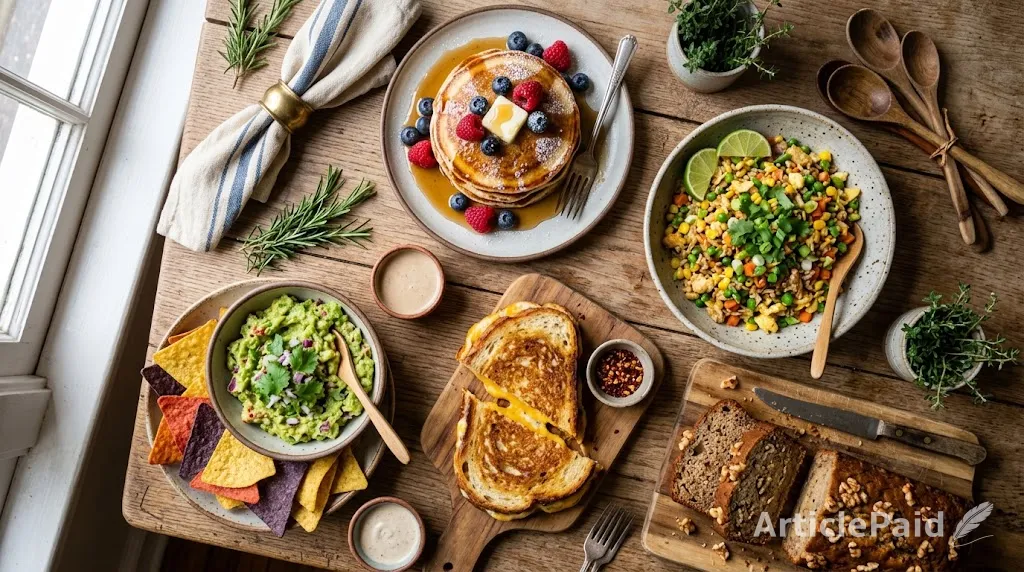
Here’s how you could put it all together:
- Breakfast: Greek yogurt with berries and chia seeds
- Snack: Apple slices with almond butter
- Lunch: Grilled chicken salad with mixed greens, avocado, and olive oil dressing
- Snack: Carrot sticks with hummus
- Dinner: Baked salmon with quinoa and roasted broccoli
- Evening Option: Green tea with a few walnuts
This plan is high in protein, fiber, and healthy fats while staying low in processed carbs.
Foods to Limit for Weight Loss
Just as important as knowing what to eat is knowing what to avoid.
- Sugary drinks (soda, sweetened coffee, fruit juices)
- Refined carbs (white bread, pastries, chips)
- Fried foods
- Processed meats (sausages, bacon)
- Packaged snacks (cookies, candy, crackers)
- High-calorie sauces and dressings
These foods are high in calories but low in nutrients, making it easy to overeat.
Final Thoughts
Weight loss isn’t about starving yourself. It’s about fueling your body with foods that support energy, satiety, and long-term health. Lean proteins, fiber-rich veggies, whole grains, fruits, and healthy fats should form the base of your diet. Add spices and herbs for flavor and metabolism support.
By focusing on whole, nutrient-dense foods and practicing mindful eating, you can achieve weight loss that lasts—not just a temporary drop on the scale.
SEO Keywords (Low Competition + High Search Volume)
weight loss foods
foods that burn fat
best foods for weight loss
weight loss diet plan
healthy foods to lose weight
fat burning foods list
what to eat to lose weight
weight loss meal plan
foods to avoid for weight loss
high protein foods for weight loss














Responses (0)
Sign in to share your thoughts.
Sign in