
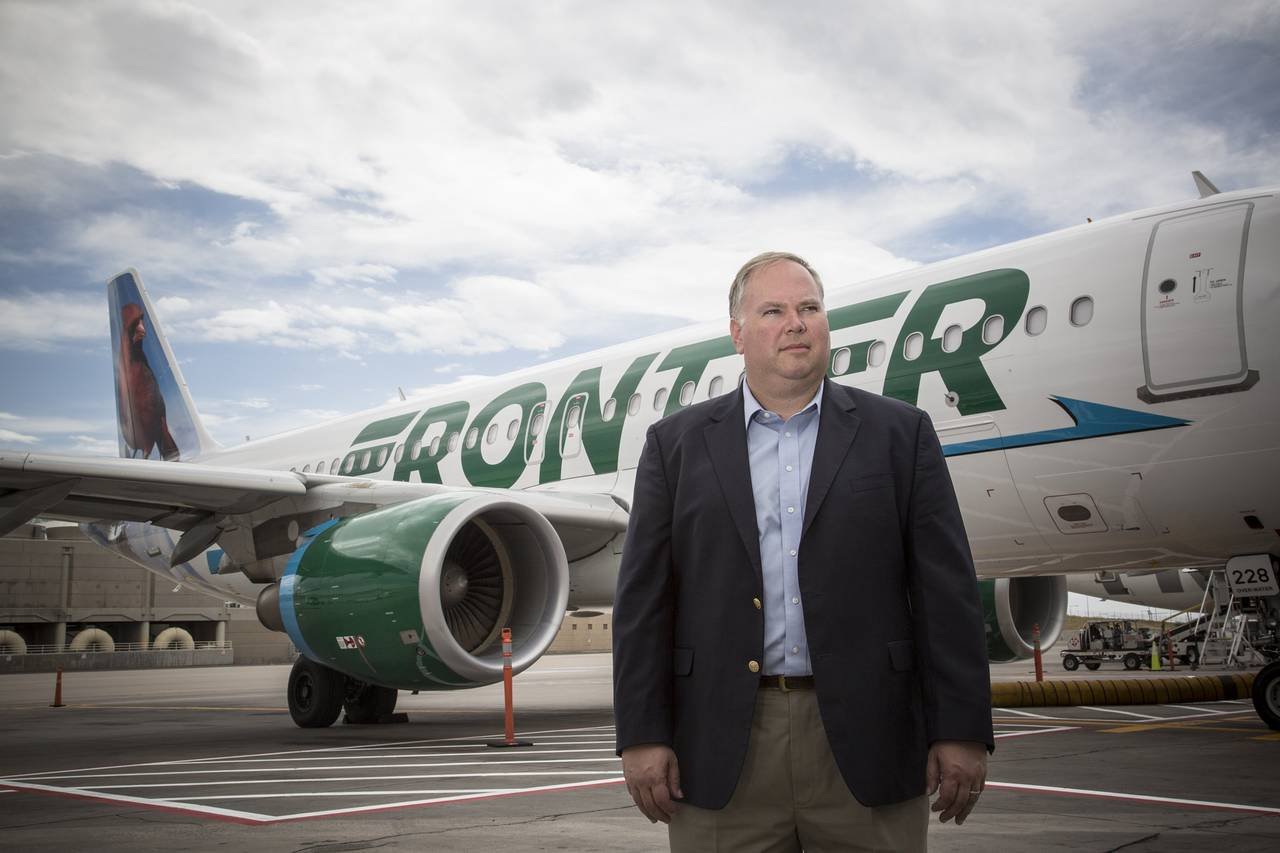
Frontier Airlines CEO warns low-cost carriers face collapse as domestic flight cuts hit U.S. travel. Frontier positions itself as the “last man standing.”
Frontier Airlines CEO Barry Biffle has delivered a stark message: the ultra-low-cost carrier (ULCC) sector is at a turning point, and Frontier may emerge as the "last man standing" amid widespread industry retreat. With domestic flight reductions spelling tighter capacity in 2025–2026, Biffle’s warning reflects both the peril and potential in low-cost aviation. This article explores the evolving landscape—examining flight reductions by Frontier and others, the ULCC business model’s challenges, and Biffle’s blunt outlook for travelers and the industry.
Flight Reductions Signal Systemic Headwinds
Major U.S. airlines—including Frontier, United, American, Delta, JetBlue, Southwest, and Spirit—are scaling back domestic flight schedules after experiencing waning travel demand. Economic uncertainty, inflation, and declining consumer confidence have shifted the industry's posture from expanding to pruning. Frontier alone is cutting over 40 domestic routes, disrupting service for students, immigrants, and budget-minded travelers.
Beyond route cuts, airlines including Frontier have paused aircraft upgrades and deferred expansion plans, signaling broader strategic caution across the industry.
Frontier’s Warning: “Last Man Standing” in a Shrinking Market
During Frontier’s Q2 earnings call on August 5, CEO Barry Biffle projected that ULCC competitors may soon exit the space, leaving Frontier as the dominant low-fare option. He noted competitive capacity in its markets is falling faster than the industry average. With forward bookings rising and yields up 15% for September, the airline sees a path to profitability in H2 2025—bolstered by new first-class offerings and co-brand loyalty incentives targeting $6 per passenger by 2026 and $10 by 2028.
This bold stance paints Frontier not just as a survivor, but a poised victor in a volatile industry facing retraction and consolidation.
The Challenges Facing Ultra-Low-Cost Carriers
The ULCC sector, including Frontier and Spirit, has faced a convergence of pressures undermining its viability:
- Faltering Demand: Domestic leisure and business travel show signs of fatigue, even as international recovery lags.
- Pricing Erosion: With reduced demand, average fares dipped around 2% year-over-year.
- Competitive Pressure: Legacy airlines are leveraging premium and international demand, leaving ULCCs vulnerable and less diversified.
- Regulatory and Operational Costs: Fee-based models bring scrutiny and added customer friction, reducing brand appeal.
In this environment, Biffle's canary-in-the-coal-mine metaphor resonates: fuel, capacity, and demand are all trending negatively for ULCCs.
Frontier’s Strategy: Efficiency, Innovation, and Expansion
Despite pressures, Frontier is taking proactive steps to navigate turbulence:
- Capacity Management: The airline will continue modest cuts through 2025, focusing on off-peak days while aiming for full-year profitability.
- Infrastructure Cost Control: Moving away from jet bridges, Frontier is embracing ground loading at key hubs like Denver to reduce expenses.
- Targeted Route Expansion: To offset reductions, Frontier plans to launch 15 new domestic routes in October 2025—connecting underserved cities like Richmond and Corpus Christi.
Key Insights from Frontier’s Latest Outlook
- Despite heavy flight reductions industry-wide, Frontier sees opening for growth in under-served markets.
- The airline expects to profit in H2 2025, riding stronger bookings, higher yields, and lean operations.
- Biffle’s candid “last man standing” warning underscores the potential exit of weaker ULCC competitors.
- Frontier balances cuts with selective route growth and service innovations to remain competitive.
Conclusion
Frontier Airlines stands at a crossroads of opportunity and challenge. As economic softness and shifting travel patterns force airlines to shrink, CEO Barry Biffle’s warning—“last man standing”—reflects both resolve and realism. With strategic cost controls, selective expansion, and service enhancements, Frontier aims to emerge ahead, even as the ULCC model faces its most formidable headwinds yet.























Responses (0)
Sign in to share your thoughts.
Sign in