

Living with HIV/AIDS is already a life-changing challenge, but for transgender individuals, the journey becomes far more dangerous—not just because of the virus, but because of the invisible enemy called social stigma. The weight of judgment, rejection, and discrimination not only harms their mental health, but it can literally put their lives at risk.
In this blog, we’ll dive into why stigma is so dangerous, how it impacts transgender lives, and what we as a society can do to break this cycle.
Why Stigma Is More Dangerous Than the Disease Itself
For many transgender people, the hardest part isn’t fighting HIV—it’s fighting society’s perception. When someone is labeled, shamed, or excluded, it creates barriers to healthcare, love, and even survival. Stigma can:
Stop people from seeking HIV treatment or testing.
Create fear of being “outed” in their community.
Lead to job loss, homelessness, and financial instability.
Cause depression, anxiety, or even suicidal thoughts.
The Deadly Cycle of Discrimination
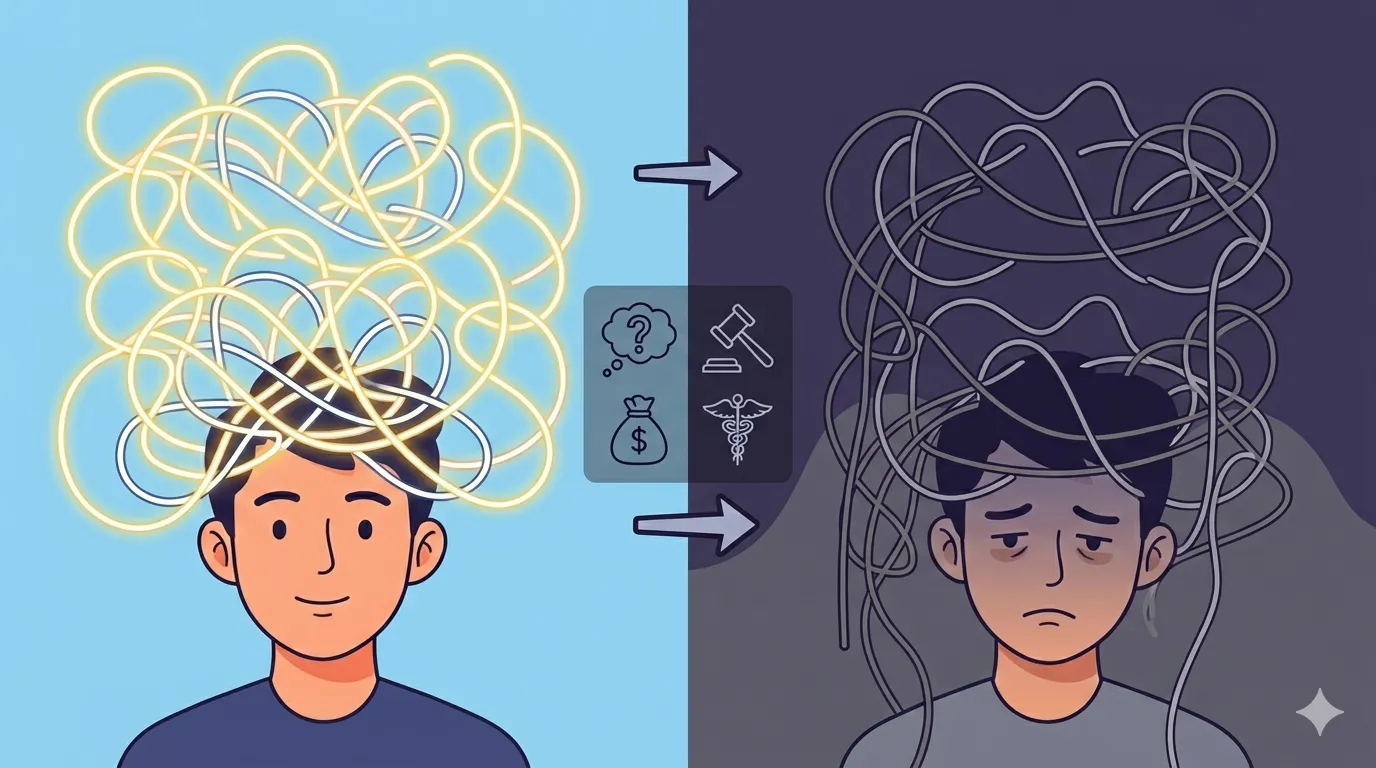
Stigma sets off a chain reaction,
1. Fear of judgment stops people from getting tested.
2. Late diagnosis makes HIV harder to treat.
3. Avoidance of care leads to poor health outcomes.
4. Isolation and depression increase risky behaviors, worsening the spread.
This cycle is life-threatening, and the cruel part is, it has nothing to do with the virus itself, but everything to do with how society treats transgender people.
Differences: HIV/AIDS vs. Social Stigma
| Aspect | HIV/AIDS (Medical Condition) | Social Stigma (Societal Issue) |
| -------------------- | ------------------------------------------ | ------------------------------------------------------------------- |
| Nature | A virus that weakens the immune system | Negative judgment, discrimination, and social rejection |
| Treatment | Managed with antiretroviral therapy (ART) | Can only be reduced through education, awareness, and compassion |
| Impact on Health | Leads to physical illness if untreated | Creates mental, emotional, and social health problems |
| Longevity | With treatment, people can live long lives. | Without addressing stigma, people may avoid treatment and die early |
| Root Cause | Biological infection | Prejudice, lack of understanding, cultural taboos |
The truth is: HIV doesn’t kill if treated, but stigma can.
Breaking the Silence: What Can Be Done?
The good news? Stigma isn’t permanent. With awareness, education, and compassion, we can change this. Here’s how:

Normalize HIV testing and treatment so people don’t fear judgment. Educate healthcare professionals on how to treat transgender patients with dignity and respect.
Promote supportive communities where people feel safe to share their struggles. Break stereotypes and emphasize resilience by using positive media representation.
Encourage laws and policies that protect transgender rights and access to healthcare.
FAQs
Q1: Why are transgender people more affected by HIV/AIDS?
Because of discrimination, lack of healthcare access, and higher social vulnerability, transgender women are up to 49 times more likely to live with HIV compared to the general population (UNAIDS, 2023).
Q2: Can HIV be fully cured? No, but people can live long, healthy lives with "antiretroviral therapy" (ART). The main barrier is not the treatment—it’s stigma.
Q3: How does stigma stop people from seeking treatment?
Fear of being judged, outed, or humiliated in hospitals keeps many transgender people away from clinics, leading to late diagnosis and complications.
Q4: What can society do to help?
Educate communities, fight prejudice, and ensure transgender-friendly healthcare policies are implemented worldwide.
Conclusion
Social stigma is more than just cruel—it’s deadly. It robs transgender individuals of healthcare, dignity, and hope. Whether it’s by educating ourselves, speaking up against discrimination, or supporting inclusive healthcare, we can be part of the solution.
Let’s remember: no one should die because of society’s judgment. Ending stigma means saving lives.





















Responses (0)
Sign in to share your thoughts.
Sign in