

Sunny Heal: How Sunlight Shapes Your Mental and Physical Health
Meta Description
Discover how sunlight boosts mood, brain health, immunity, and energy. Learn safe sun exposure tips for a healthier, happier lifestyle.
Introduction
The sun has been a source of life and energy for millions of years. Beyond its role in sustaining ecosystems, sunlight has a direct impact on human health. From boosting vitamin D levels to improving mood, sunlight plays an important role in both mental and physical health. However, like everything in life, moderation is key. Too little or too much exposure can cause imbalances that affect well-being.
Mental Health Benefits of Sunlight
Sunlight exposure has been linked to the release of serotonin, a hormone that helps stabilize mood and promote feelings of happiness. This is why spending time outdoors often leaves people feeling refreshed and less stressed.
Research also shows that sunlight can help reduce symptoms of seasonal affective disorder (SAD), a type of depression that occurs in darker months. By receiving natural light, your brain signals increased production of serotonin, leading to improved emotional health.
[Harvard Health explains the link between sunlight and mood](https://www.health.harvard.edu/mind-and-mood/why-sunlight-is-so-good-for-your-mood).
Physical Health Benefits of Sunlight
1. Vitamin D Production – Sunlight triggers vitamin D synthesis in the skin, which is vital for strong bones, immune function, and muscle health.
[NIH on Vitamin D and health](https://ods.od.nih.gov/factsheets/VitaminD-Consumer/).
2. Boosts Immunity – Regular exposure supports the immune system, making the body more resilient against common infections.
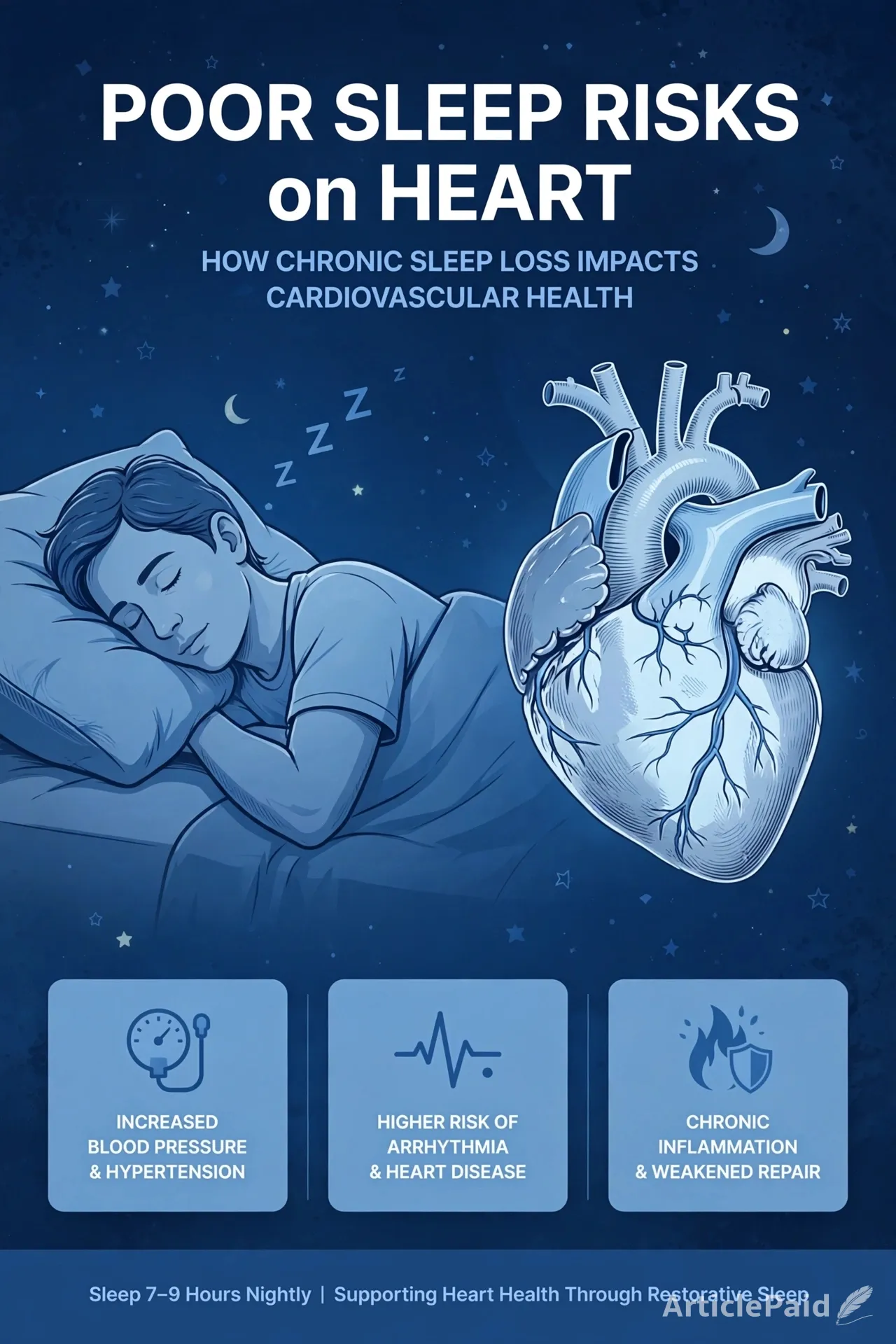
3. Improves Sleep – Sunlight helps regulate the body’s circadian rhythm, ensuring better sleep quality.
4. Heart Health – Moderate sun exposure has been linked to better blood pressure control and cardiovascular health.
Risks of Too Much Sunlight
While the sun provides incredible benefits, excessive exposure can be harmful:
Skin Damage & Sunburn – Prolonged UV exposure damages skin cells.
Increased Risk of Skin Cancer – High sun exposure without protection can increase the risk of melanoma and other skin cancers.
Eye Problems – Direct UV rays may contribute to cataracts and vision issues.
[World Health Organization’s guide on UV safety](https://www.who.int/news-room/questions-and-answers/item/radiation-uv).
Safe Sun Habits
Spend 15–30 minutes outdoors daily for balanced vitamin D.
Wear sunscreen (SPF 30+) when staying outside longer.
Use sunglasses to protect eyes.
Avoid direct sun during peak hours (10 AM – 4 PM).
FAQs
Q1: How much sunlight do I need daily?
Most people benefit from 15–30 minutes of sunlight exposure on skin and face daily, depending on skin type and climate.
Q2: Can sunlight really improve my mood?
Yes, sunlight increases serotonin levels, reducing stress, anxiety, and depression symptoms.
Q3: Is it possible to get vitamin D without sunlight?
Yes, vitamin D can also come from supplements and foods like fatty fish, eggs, and fortified dairy products.
Q4: What’s the best time to get sunlight?
Morning sunlight is safest and most beneficial. Avoid direct exposure between 10 AM and 4 PM to reduce UV damage.
Q5: Can too much sunlight harm my mental health?
Not directly, but excessive heat and UV exposure may cause fatigue, dehydration, and stress, indirectly affecting mental health.
Conclusion
Sunlight is a natural healer, offering countless benefits for both the mind and body. From boosting happiness to strengthening immunity, moderate sun exposure is essential for a healthy life. Yet, balance matters—too much sunlight can be harmful. By adopting safe sun habits, you can enjoy the best of nature’s light without the risks.
Facebook Caption:
Sunny Heal: Sunlight is more than just light—it’s medicine for your mind and body! Discover how the sun boosts mood, improves immunity, and strengthens your heal
th—while learning how to stay safe. #SunnyHeal #Wellness #MentalHealth #VitaminD

















Responses (0)
Sign in to share your thoughts.
Sign in