

Introduction
The latest U.S. jobs report is out — and it shows slower hiring, higher unemployment, and warning signs for the economy. But what does this mean for you? Whether you’re job hunting, planning to buy a home, or freelancing, the numbers will affect your wallet and your career. Let’s break it down.
1. Your Wallet: Borrowing Costs May Fall
When job growth slows, the Federal Reserve is more likely to cut interest rates. That’s good news for your money:
Good News for Homebuyers: Mortgage Rates Expected to Drop.
Car loans and personal loans could become more affordable.
Credit card debt may get slightly easier to manage.
Tip: Compare lenders now, and be ready to lock in a good deal if rates fall further.
2. Your Career: More Competition Ahead
The report revealed fewer new jobs than expected. This translates into:
Slower hiring in many industries.
Employers are becoming more selective.
Growing demand in healthcare and social services, while industries like manufacturing shrink.
If you’re applying for jobs, highlight versatile skills and focus on stable sectors.
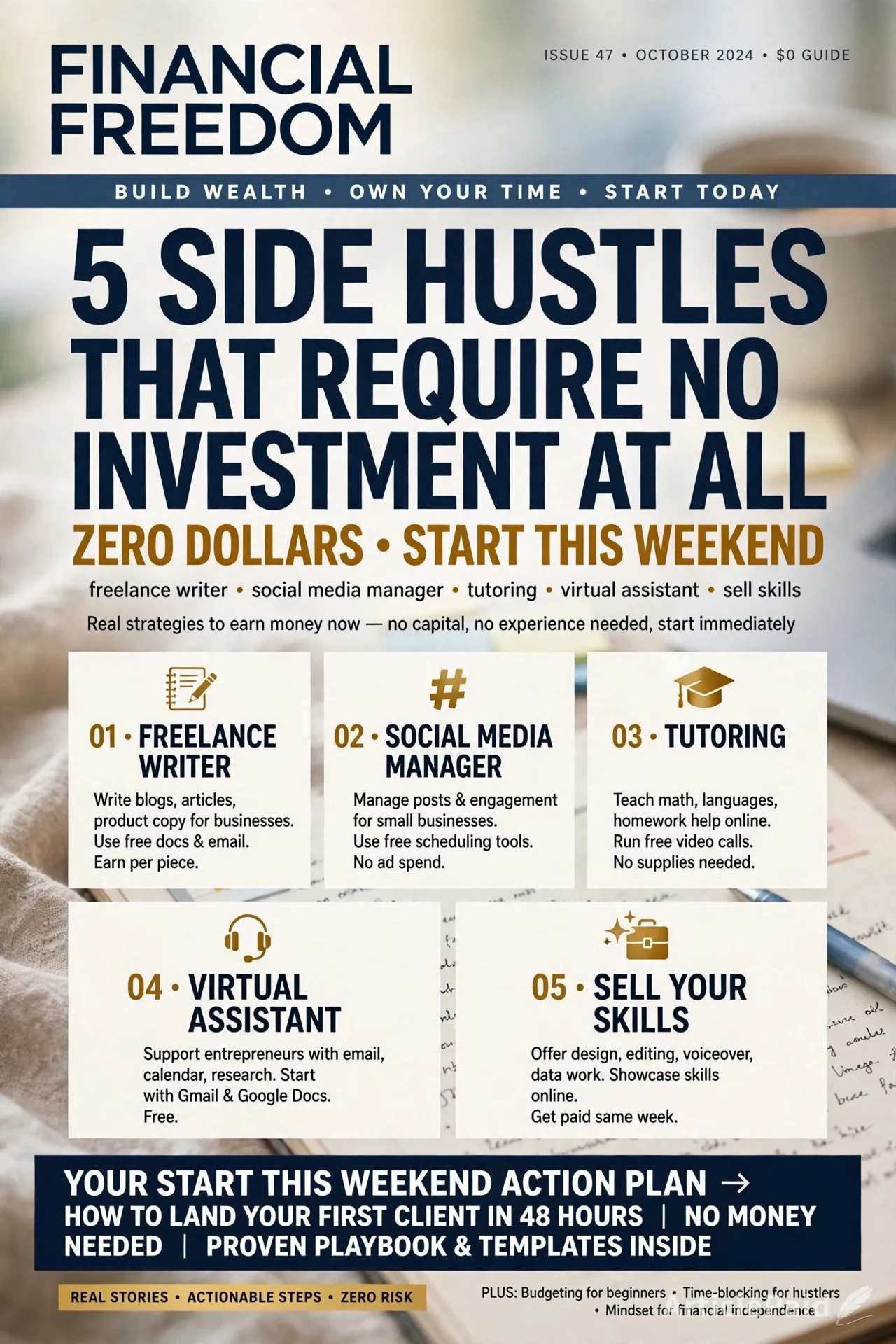
3. Freelancers & Side Hustlers: A Mixed Bag
For freelancers, weak job markets often mean tighter company budgets. But here’s the opportunity: businesses still need short-term, cost-effective projects. This can mean more freelance gigs if you market yourself well.
Pro tip: Update your portfolio and pitch flexible, results-driven services.
4. Young Workers: First in Line for the Slowdown
Graduates and early-career professionals are usually the first to feel the hiring freezes. Internships and entry-level roles may shrink. If you’re in this group, strengthen your position by
Learning high-demand digital skills.
Exploring part-time or freelance opportunities.
Expanding your professional network.
5. Action Steps You Can Take
1. Update your resume & LinkedIn with measurable achievements.
2. Save more aggressively— aim for 2–4 months of living costs.
3. Upskill quickly through short online courses.
4. Network intentionally with industry professionals.
5. Stay flexible — adjust your plans based on market changes.
Conclusion
The latest jobs report isn’t just a statistic — it’s a signal. Slower hiring means higher competition, but also opportunities for cheaper borrowing and smarter career moves. Stay proactive, invest in your skills, and prepare for uncertainty. With the right strategy, you can turn today’s slowdown into tomorrow’s opportunity.
FAQ
Q1: Why is the jobs report important?
Because it influences hiring trends, unemployment, and even interest rates.
Q2: Will mortgage rates drop?
Yes, if the Fed cuts rates, mortgages may become cheaper.
Q3 Tough Job Market: Is Finding Employment Harder Now?
Yes, but growth sectors like healthcare, IT, and social services still hire actively.
Q4: Should freelancers worry?
Not necessarily — while budgets shrink, demand for cost-effective contractors often rises.
Q5: Is a recession coming?
Not confirmed, but risks are higher. Being financially and professionally prepared is the best move






















Responses (1)
Sign in to share your thoughts.
Sign in