
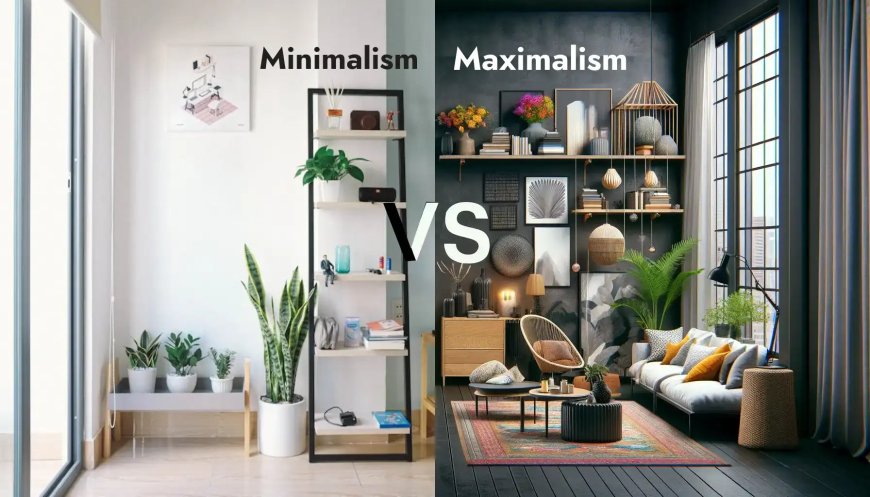
Minimalism is more than just a trend; it's a lifestyle choice that prioritizes simplicity and intentional living. By adopting a minimalist lifestyle, you can reduce stress, improve focus, and create a more meaningful existence. This comprehensive guide will walk you through the steps to embrace minimalism and make it a lasting part of your life.
1. Understand the Principles of Minimalism
Before diving into the practical aspects of minimalism, it's important to understand its core principles. Minimalism is about removing excess and focusing on what truly matters. It encourages you to live with intention, prioritize quality over quantity, and seek contentment in less. This mindset shift is crucial for making lasting changes in your lifestyle.
2. Evaluate Your Current Lifestyle
Begin by assessing your current lifestyle to identify areas where minimalism can be applied. Take a close look at your possessions, routines, and commitments. Ask yourself:
- Are you surrounded by clutter?
- Do you feel overwhelmed by your responsibilities?
- Are your possessions adding value to your life or causing stress?
This evaluation will help you pinpoint areas that need simplification and guide you in setting realistic goals.
3. Declutter Your Space
One of the first steps in adopting a minimalist lifestyle is decluttering your physical space. Start with one area or category at a time, such as your closet, kitchen, or living room. Here’s how to tackle decluttering:
- Sort items into categories: Divide your belongings into categories like keep, donate, sell, and discard.
- Evaluate each item: Ask yourself if each item is useful, meaningful, or brings you joy. If not, consider letting it go.
- Use the "one in, one out" rule: For every new item you acquire, make sure to remove an existing one.
Decluttering not only creates a more organized environment but also helps you reassess your relationship with material possessions.
4. Simplify Your Wardrobe
A minimalist wardrobe focuses on quality, versatility, and simplicity. Here’s how to simplify your clothing collection:
- Create a capsule wardrobe: Choose a set of interchangeable, high-quality pieces that can be mixed and matched. This reduces decision fatigue and makes getting dressed easier.
- Stick to a color palette: Opt for neutral colors and classic styles that suit your lifestyle and can be worn in various settings.
- Avoid fast fashion: Invest in durable, timeless pieces rather than trendy items that may quickly go out of style.
A simplified wardrobe can save time, reduce stress, and help you make more intentional clothing choices.
5. Streamline Your Digital Life
Minimalism extends beyond physical possessions to your digital world. Streamlining your digital life can enhance productivity and reduce stress. Consider the following:
- Organize your digital files: Create a logical folder structure and delete or archive unnecessary files.
- Manage your email: Unsubscribe from irrelevant newsletters and set up filters to prioritize important messages.
- Limit screen time: Set boundaries for social media and digital consumption to avoid information overload and maintain focus.
By decluttering your digital environment, you can improve efficiency and create more space for meaningful activities.
6. Simplify Your Finances
Adopting minimalism can also have a positive impact on your financial health. Here’s how to simplify your finances:
- Create a budget: Track your income and expenses to identify areas where you can cut back and save more.
- Automate savings: Set up automatic transfers to a savings account to build your financial cushion effortlessly.
- Reduce debt: Focus on paying off high-interest debt and avoid accumulating new debt through impulsive spending.
A minimalist approach to finances promotes better money management and reduces financial stress.
7. Prioritize Experiences Over Things
Minimalism encourages valuing experiences over material possessions. Consider the following strategies to embrace this mindset:
- Invest in experiences: Spend your time and money on activities that bring you joy, such as travel, hobbies, or spending time with loved ones.
- Practice gratitude: Regularly reflect on and appreciate the experiences you have, rather than focusing on acquiring new items.
- Create lasting memories: Document your experiences through photos, journaling, or sharing stories with others.
Focusing on experiences can lead to greater fulfillment and a richer, more meaningful life.
8. Adopt Mindful Consumption
Being mindful of what you consume is a key aspect of minimalism. Here’s how to adopt mindful consumption habits:
- Evaluate your needs: Before making a purchase, consider whether it aligns with your values and adds value to your life.
- Choose quality over quantity: Invest in well-made, durable products that serve multiple purposes and have a longer lifespan.
- Embrace sustainability: Opt for eco-friendly products and practices that reduce your environmental impact.
Mindful consumption helps you make more intentional choices and contributes to a more sustainable lifestyle.
9. Simplify Your Routine
A minimalist lifestyle also involves simplifying your daily routines. Here’s how to streamline your schedule:
- Prioritize essential activities: Focus on the tasks and commitments that align with your values and goals.
- Eliminate unnecessary obligations: Learn to say no to activities that don’t contribute to your well-being or personal growth.
- Create a streamlined daily routine: Develop a routine that minimizes decision-making and allows for efficiency and balance.
A simplified routine can help you manage your time better and reduce feelings of overwhelm.
10. Embrace the Minimalist Mindset
Finally, adopting minimalism is not just about making physical changes but also about embracing a mindset of simplicity and intentionality. Practice the following to maintain this mindset:
- Reflect regularly: Periodically assess your lifestyle and make adjustments as needed to stay aligned with your minimalist values.
- Seek continuous improvement: Look for new ways to simplify and enhance your life, both personally and professionally.
- Share your journey: Connect with others who embrace minimalism to share experiences, gain inspiration, and stay motivated.
Maintaining a minimalist mindset helps you navigate life with clarity and purpose, ensuring that your choices continue to reflect your values.
Conclusion
Adopting a minimalist lifestyle is a transformative journey that involves simplifying various aspects of your life. By decluttering your space, streamlining your routines, and prioritizing meaningful experiences, you can create a more intentional and fulfilling existence. Embracing minimalism is not a one-time task but an ongoing process of aligning your lifestyle with your values. As you continue to refine and adapt your minimalist approach, you'll discover the profound benefits of living with less and focusing on what truly matters.





















Responses (0)
Sign in to share your thoughts.
Sign in