
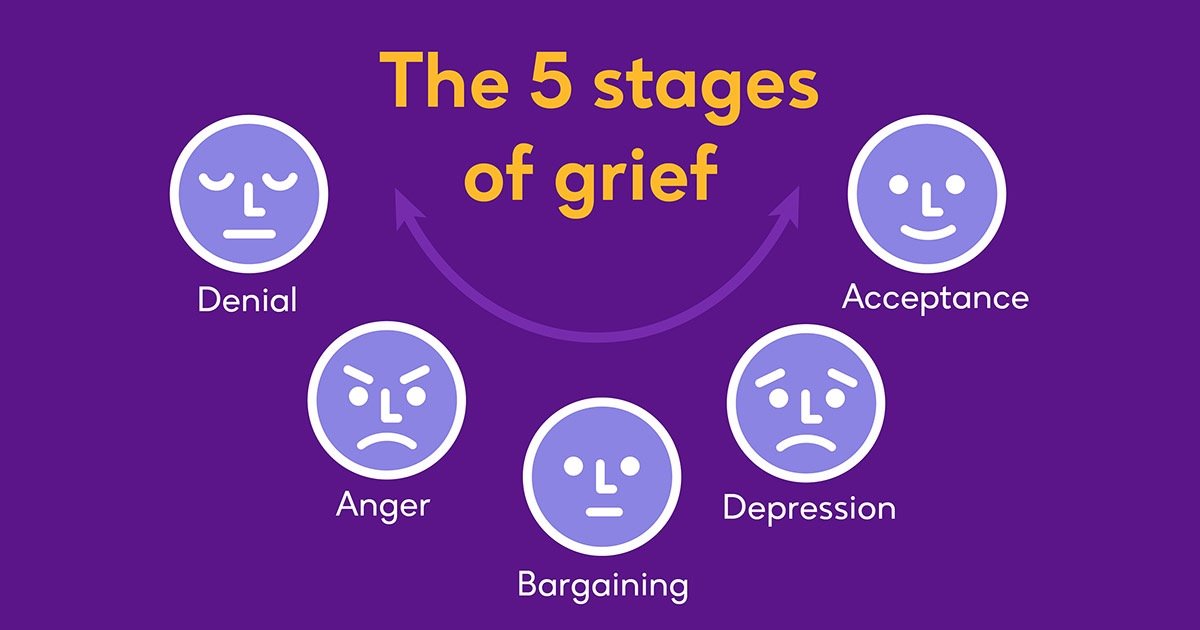
Grief is often misunderstood. We talk about it like it has a clear beginning and end, like a wound that scabs over and eventually disappears. But real grief doesn’t follow a timeline. It doesn’t arrive politely or leave quietly. It lingers, changes shape, and sometimes becomes part of who we are.
Grief is not a season. It’s a language. A deeply personal, intimate form of communication between our soul and our loss. It is not meant to be "moved on" from. It is meant to be lived with, understood, and, in time, spoken fluently.
The Unexpected Forms of Grief
Grief isn’t always loud or obvious. Sometimes it looks like silence. Sometimes it’s anger at small things, or tiredness that no nap can fix. It can be found in the empty side of the bed, the unshared meal, the photo you turn face-down. Grief is the song that brings tears, the scent that tightens your chest, the holiday that feels hollow.
It can be raw and sharp, but it can also be dull and quiet. It whispers in your ears when the world expects you to smile. And worst of all, it often goes unnoticed by others after a while, even though it’s still shouting inside you.
Why the "Get Over It" Myth Is Harmful
One of the cruelest lies society tells about grief is that it has a deadline. That you should "move on" or "get over it" within a few weeks or months. But grief doesn’t work like that. Love has no expiration date, and neither does loss.
Telling someone to "move on" only shames them into hiding their grief. It teaches people to fake smiles, to bury their pain, and to believe that sadness is weakness. But grief is not a flaw. It is evidence that you loved deeply.
Real strength is not pretending you’re fine. It’s allowing yourself to feel, to mourn, to remember.
The Lingering Echoes
Even years later, grief can surprise you. A smell, a song, a familiar phrase can bring it rushing back. That’s because love leaves echoes, and grief is how we hear them. We don’t stop missing someone just because time passes. We simply learn how to carry the missing.
You learn how to go grocery shopping without buying their favorite snack. You learn to laugh again, even when a part of you still aches. You learn to hold joy and pain in the same hand.
Letting Grief Be a Part of You
Instead of trying to "fix" grief, what if we made room for it? What if we treated grief like a visitor who teaches us something — about love, about life, about what matters?
Grief can deepen your empathy. It can make you slower to judge and quicker to comfort. It can remind you to hold your people closer, to cherish the ordinary, to never leave kind words unsaid.
By learning the language of grief, you learn to live more tenderly.
Honoring, Not Erasing
To live with grief is not to be broken. It is to be human. To remember someone you loved is not to be stuck in the past, but to honor a chapter that shaped you.
Talk about them. Say their name. Share their stories. Keep their memory alive in your words, your actions, your heart. Grief, when acknowledged, becomes love with nowhere to go.
Let it go somewhere. Into poetry. Into a whispered prayer. Into a tradition. Into a moment of silence beneath the stars.
You Are Not Alone
If you are grieving, know this: You are not too sensitive. You are not taking too long. You are not weak.
You are someone who dared to love. You are someone learning a new language. And even if others don’t understand, I promise — grief will teach you how to speak your heart in deeper, softer ways.
Let it.























Responses (0)
Sign in to share your thoughts.
Sign in