
The Everyday Struggle of Working Through Loadshedding
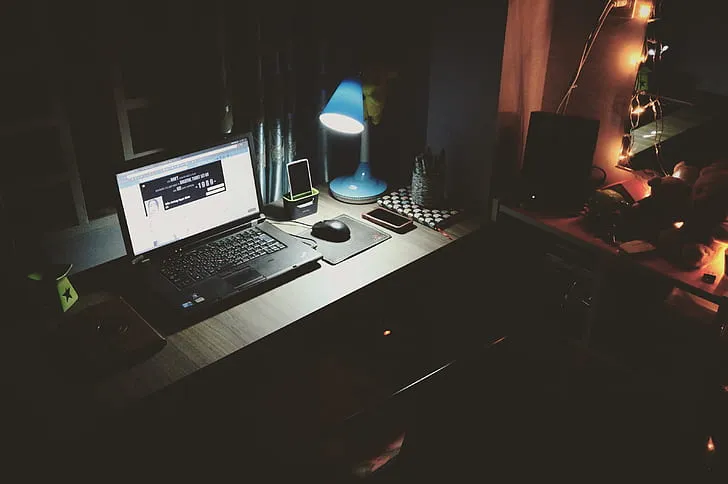
You're working on an important deadline when suddenly the power goes out. Your laptop battery is low, the fan stops, and the heat becomes unbearable. In Pakistan, this isn't rare; it's a daily reality.
If you live in Pakistan, you understand how hard it is to deal with working long hours in unscheduled loadshedding. These long hours of power outages affect freelancers, students, and remote workers.
Sitting for long hours during load shedding affects the body physically, causing back pain and eye strain, and resulting in productivity loss.
Here are practical, affordable ways to protect your eyes, support your spine, and keep your work on track.
Why Loadshedding Hits Productivity Hard in Pakistan?
Loadshedding in Pakistan makes it difficult to stay productive, especially for remote workers trying to meet deadlines.
Here are the reasons why productivity is hard:
Unpredictable Power Outages
The unpredictable power outages are the main reason behind unscheduled load shedding. This causes inconveniences in the household, including those who are working from home. With long hours of power outages, the difference between urban and rural areas reveals the amount of electricity provided. Loadshedding is more common in rural communities compared to urban areas due to a lack of electricity supply.
Dependency on Digital Work
The rise of freelancing and online work requires a huge amount of electricity, as these workers rely heavily on technology to keep the power going. The importance of electricity to boost their income and productivity is something many remote workers struggle with due to long hours of power outages.
Mental Stress and Work Pressure
The pressure to produce large amounts of output can cause mental stress and work-related pressure. Missed deadlines, client communication issues, and reduced focus are what make productivity troublesome as loadshedding disrupts their working routine.
The Hidden Health Costs of Load Shedding
Not only has loadshedding seriously affected productivity, but it has also affected various mental and physical health concerns. The constant pressure to stay productive during outages is affecting remote workers across the country.
Here are the hidden health costs:
Eye Strain
Prolonged screen use in dim lighting strains your eyes, causing headaches, dryness, and blurred vision. Since remote workers use the devices around the clock, they end up with eye strain, causing migraines.
Spine and Posture Problems
Poor working conditions during power outages affect spine and posture problems due to weak ergonomic chairs. Since many people in the household do not have a proper chair, sitting for long hours burdens the spine, creating back pain and neck stiffness.
Long-Term Health Risks
Eye strain and poor posture can lead to chronic discomfort and reduce productivity over time. If not taken care of, these eyes and back problems can cause further health troubles due to long hours of loadshedding. The good news is that with a few simple adjustments, you can reduce these health risks significantly.
Eye Protection Tips During Load Shedding

Your eyes matter as much as your body does. Prolonged use of devices and laptops can affect your vision and require certain adjustments to work during the load-shedding hours.
Here are the simple tips to ensure optimum eye protection:
Optimize Lighting Conditions
The right lighting conditions matter, no matter how long you work. With dim lights and limited lighting available in your household, this affects your eyesight very badly. The best way to optimize for a healthy vision is to use rechargeable LED lights and avoid working in complete darkness.
Follow the 20-20-20 Rule
The 20-20-20 rule is the simplest way to relax your eye muscles, reducing eye fatigue. If you feel your eyes are tired, just take a break every 20 minutes by looking at a distant object 20 feet away for 20 seconds.
Adjust Screen Settings
How you adjust your screen brightness matters for your eyes. Try to adjust blue light filters or adjust the brightness control to an optimum level to ensure the brightness doesn't bother your vision.
Stay Hydrated and Blink More
Your eyes also need as much hydration as your body does. Staring at the screen for long periods strains your eye muscles, causing headaches and eye strain. To prevent it, blink often during use and try to stay hydrated while working.
Optional Affordable Solutions
Affordable anti-glare glasses or matte screen protectors easily available in local markets can significantly reduce eye strain during long work hours.
Save Your Spine: Posture Hacks That Actually Work

Saving your spine requires easy solutions that relax your back strain. Having the right workspace setup will save strain on your spine during unexpected power outages.
Here are the following habits that work very well:
Temporary Ergonomic Setup
The way you sit matters the most when it comes to your spine. The wrong posture can affect your eye level and put pressure on your neck and back. For a temporary ergonomic setup, use a pillow for support and adjust your screen to eye level.
Sitting vs Lying Down
Working on your bed is harmful because it puts unnecessary strain on your spine and can lead to back pain. Try to avoid lying down and work in a dedicated workspace.
Quick Stretching Routine
Doing quick stretches is a great way to relax your back and your whole body. Since you sit for long hours, step away from the screen and do neck rolls, shoulder shrugs, and back stretches.
Budget-Friendly Investments
Working during load-shedding requires budget-friendly investments to save your spine from aches. You can invest in a decent laptop table, cushions, and local ergonomic options. Once your health is taken care of, the next step is to manage your home more efficiently during these outages.
Smart Work Strategies To Create a Load-Shedding-Proof Workspace
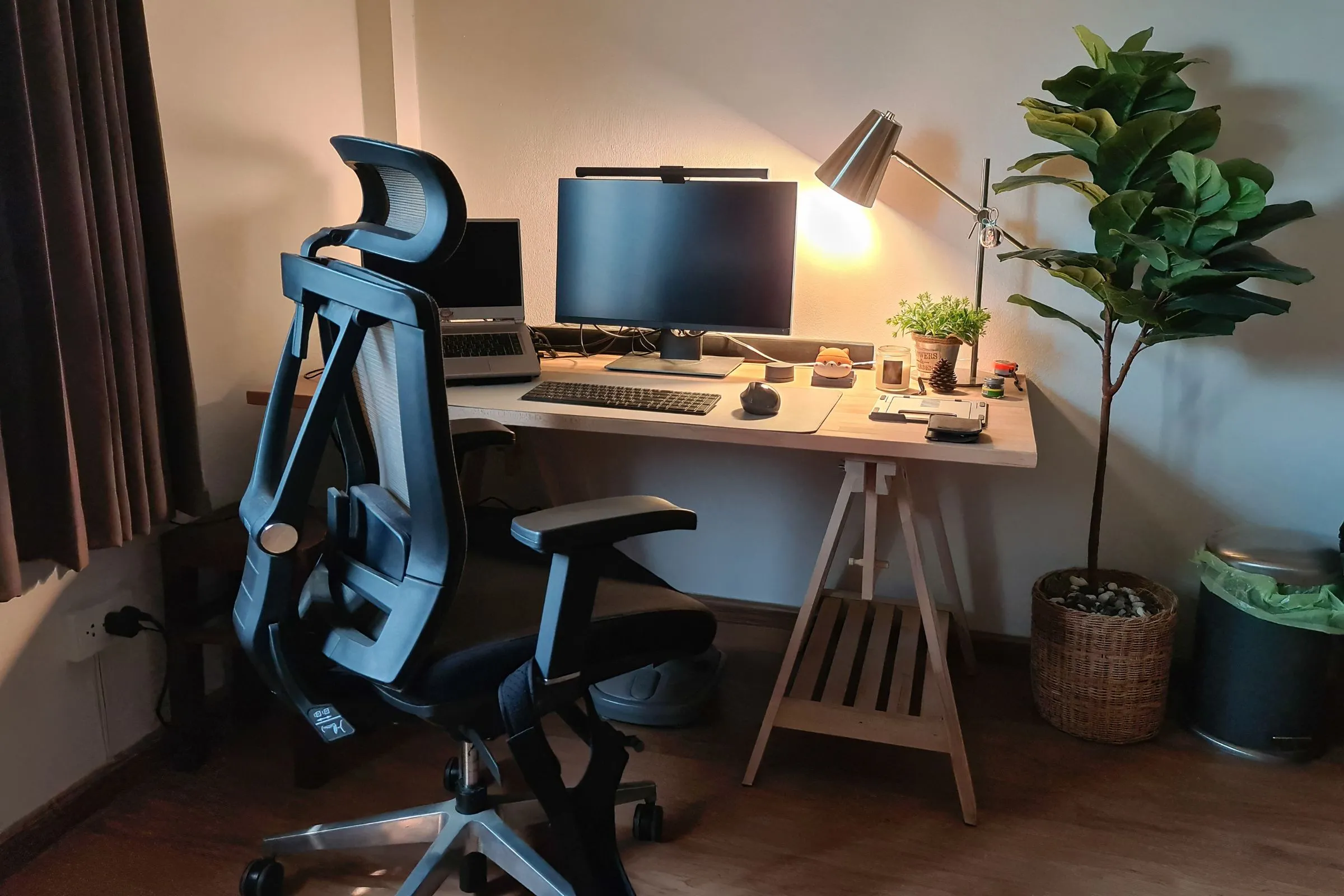
Using smart work strategies is a great way to create a productive workspace during load-shedding hours.
Here are the smart ways you can work around:
Plan Around Load Shedding Schedule
If you notice how long and when the power goes out, plan around to ensure you stay productive during the power outages. Try to prioritize the most important tasks first, then move on to the least priority tasks. If the load shedding is frequent, plan your tasks in order of priority.
Offline Productivity Hacks
Conduct offline productivity tasks such as brainstorming, writing drafts, and editing offline. This helps you to stay productive without worrying about pending tasks. Say if you are editing your document during lights out, then focus on your editing process.
Backup Power Solutions
If you have a power bank or UPS, this will save you from the darkest hours. This will help you maintain a consistent work routine during long power outages.
Device Protection
Protecting your device is crucial during the load-shedding hours. To avoid a sudden shutdown, save your work frequently and avoid letting your laptop run completely out of power. Do use auto-save features to avoid losing your work. If possible, use a surge protector or stabilizer to protect your device from voltage spikes when electricity returns.
Choose the Right Spot
Choose the right spot where you want to work. Try to find a place that has ample ventilation and casts natural light. This will benefit your eyes and spine. If your room/workspace lacks natural light, choose a space with good airflow to stay comfortable during long outages.
Declutter Workspace
A messy room is a stressful mind. To ensure you work smoothly during load shedding, simply declutter your workspace to reduce stress.
Power Outage Kit
Having a power outage kit is a great way to protect your health when electricity goes out. Keep a notebook, water, and a rechargeable LED light by your side whenever the power goes out. This will save you from headaches and worrying about what tasks need to be finished.
Conclusion
Dealing with load-shedding in countries like Pakistan is challenging for freelancers, remote workers, and students. The long hours of power outages affect productivity, and missed deadlines cause back pain and eye strain.
The small changes you can make are to work smarter around the load-shedding hours rather than putting in more hours on the work itself.
You may not be able to control load-shedding, but you can control how you work through it. With a few smart adjustments, you can protect your eyes, support your spine, and stay productive, no matter how often the power goes out.






















Responses (0)
Sign in to share your thoughts.
Sign in