

Aging doesn’t mean slowing down—it means leveling up. For women, healthy aging is about more than avoiding illness; it’s about thriving physically, mentally, and emotionally. Whether you're in your 40s, 50s, or beyond, the choices you make today can dramatically impact your energy, resilience, and quality of life tomorrow. What you eat, how you move, and the mindset you cultivate are powerful tools in your journey to longevity and vitality. This guide uncovers the key diet, exercise, and mental wellness strategies that will help you age with strength, grace, and confidence.
Prioritize a Whole-Food, Nutrient-Dense Diet
What you eat becomes even more critical as you age. Hormonal changes, slowing metabolism, and the increased risk of chronic disease mean your body needs targeted nutrition. A whole-food diet rich in fruits, vegetables, whole grains, healthy fats, and lean proteins provides essential nutrients to support bone density, brain function, heart health, and more.
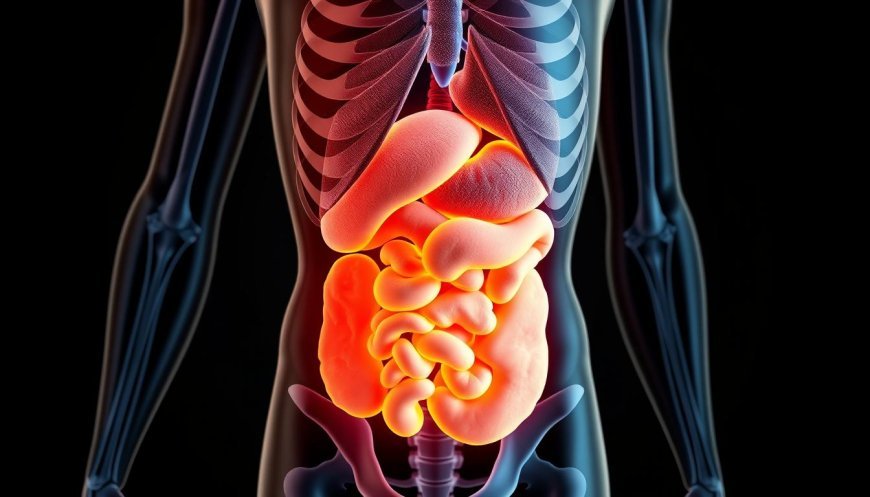
Processed foods high in sugar and sodium can lead to inflammation, weight gain, and blood pressure issues. Meanwhile, foods packed with antioxidants and fiber help protect your cells and promote healthy digestion. Omega-3 fatty acids are also essential to fight inflammation and maintain brain and heart function.
Key nutrients like calcium, vitamin D, B12, magnesium, and iron become especially important. A healthy diet not only fuels your body—it protects your future.
Consider incorporating:
- Leafy greens, berries, and cruciferous vegetables
- Wild salmon, flaxseeds, and walnuts for omega-3s
- Beans, lentils, and tofu for plant-based protein
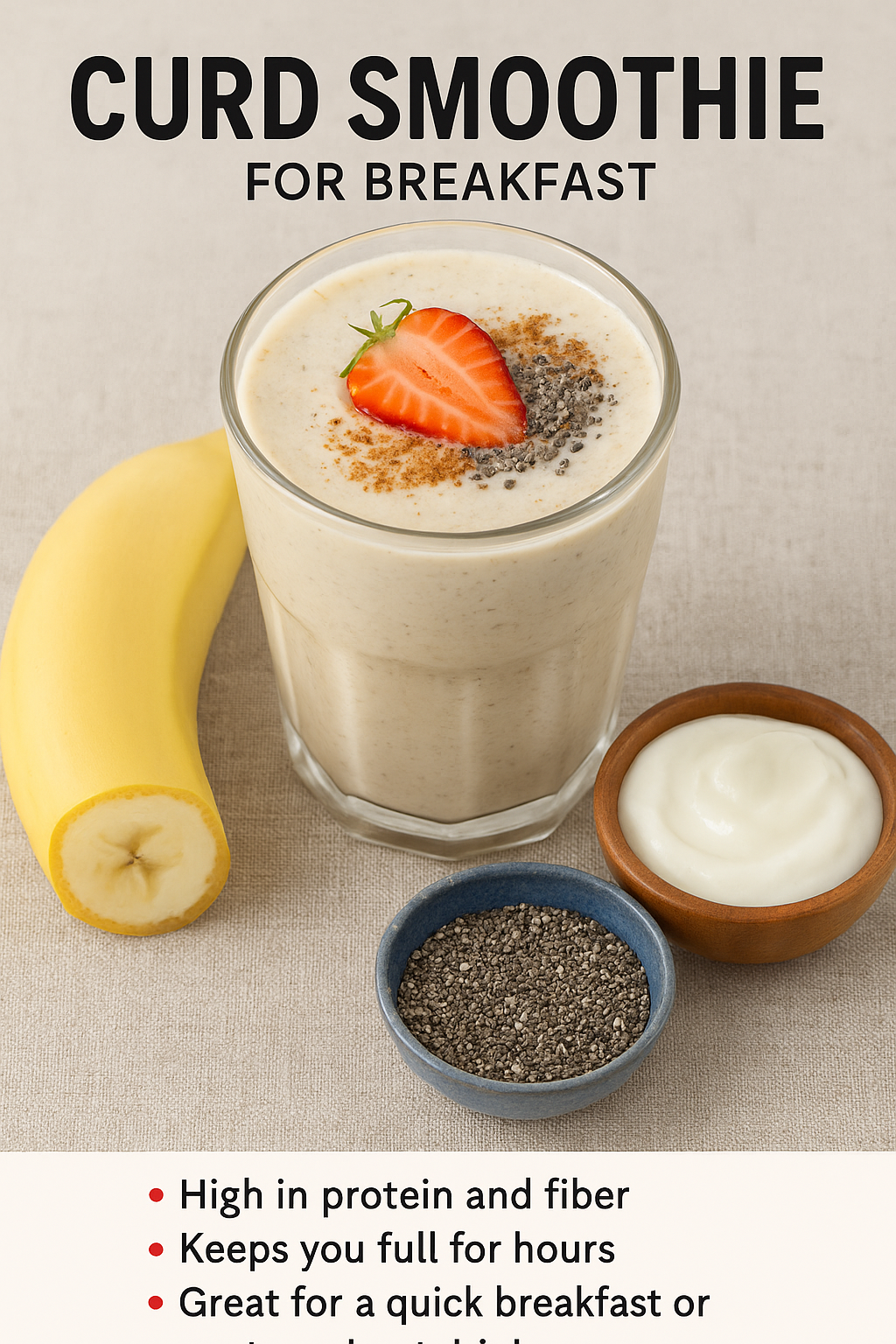
- Fermented foods like yogurt and kimchi for gut health
- Water and herbal teas to stay hydrated and support detox
2. Stay Physically Active Every Day
Exercise is a non-negotiable part of aging well. As women age, physical activity becomes essential for maintaining muscle mass, supporting bone health, boosting metabolism, improving balance, and enhancing cardiovascular health. But beyond the physical benefits, movement also improves mental health, reduces anxiety, and releases feel-good endorphins.
The goal isn't perfection—it's consistency. Even 30 minutes a day can make a dramatic difference. Combine strength training, cardio, and flexibility work to create a well-rounded routine that supports both strength and stamina.
Types of activity to include:
- Brisk walking or swimming for heart health
- Resistance training to maintain muscle and bone strength
- Yoga or Pilates for balance, flexibility, and mindfulness
- Dancing, hiking, or cycling for fun and variety
- Daily stretching to prevent stiffness and injury
3. Embrace a Mindset of Growth and Resilience
Your mindset can influence how gracefully you age. A positive attitude, self-acceptance, and emotional resilience have been linked to lower stress, better heart health, and even longer life. Aging is not a decline but a powerful evolution, and women who embrace change with optimism often experience greater well-being and self-confidence.
Practices like journaling, meditation, gratitude, and mindfulness help cultivate mental clarity and emotional balance. Staying socially engaged and nurturing your passions are also key to maintaining a sense of purpose and connection.
Ways to shift your mindset:
- Practice daily gratitude to reduce stress and boost joy
- Set meaningful goals that inspire you
- Embrace self-care without guilt
- Replace negative self-talk with empowering language
- Surround yourself with positive, uplifting influences
4. Support Hormone Health Naturally
Hormonal shifts during perimenopause and menopause can impact energy, mood, sleep, weight, and libido. Supporting hormone balance through lifestyle, diet, and stress management is key to reducing symptoms and feeling your best.
Foods rich in phytoestrogens like flaxseed, soy, and lentils may help ease hot flashes and hormone fluctuations. Managing stress through breathwork, sleep hygiene, and gentle exercise can also support adrenal and thyroid function.
Natural ways to support hormone balance:
- Include omega-3 fatty acids and phytoestrogen-rich foods
- Get 7–9 hours of quality sleep
- Reduce caffeine, alcohol, and sugar
- Practice mindfulness and relaxation techniques
- Consider adaptogens like ashwagandha or maca (consult a professional)
5. Protect Bone Density and Joint Health
Osteoporosis becomes a greater concern for women over 50 due to the drop in estrogen. Strong bones are essential for mobility and independence. Along with calcium and vitamin D, regular resistance training and weight-bearing exercises are crucial to maintaining bone density.
Joint health is equally important. Inflammation, arthritis, and wear and tear can lead to pain and stiffness. Eating anti-inflammatory foods, staying active, and maintaining a healthy weight all contribute to joint longevity.
Tips to protect your bones and joints:
- Eat leafy greens, sardines, and fortified dairy or plant milk
- Take vitamin D3 if sun exposure is low
- Strength train at least twice a week
- Maintain healthy posture and body mechanics
- Incorporate low-impact movement like yoga and swimming
6. Keep Your Heart Strong
Heart disease remains the leading cause of death for women. Estrogen’s protective effects decline during menopause, increasing the risk of high blood pressure, cholesterol issues, and other cardiovascular problems. But a heart-healthy lifestyle can drastically reduce your risk.
Ditching processed foods, avoiding tobacco, managing stress, and moving daily are simple, powerful tools. Monitoring blood pressure, cholesterol, and glucose levels regularly also helps you stay proactive.
Habits for heart health:
- Eat foods rich in fiber, potassium, and healthy fats
- Limit salt, trans fats, and added sugars
- Move your body regularly
- Quit smoking and avoid secondhand smoke
- Prioritize emotional well-being and manage stress
7. Maintain a Sharp Mind and Memory
Cognitive health is just as important as physical health in aging. Hormonal changes, stress, and inflammation can all affect memory, focus, and clarity. The good news? There are simple ways to support your brain’s long-term vitality.
Foods like berries, leafy greens, fatty fish, and turmeric are brain-boosting powerhouses. Challenging your brain with puzzles, learning, and creativity helps build cognitive resilience. Staying socially connected also supports brain health and emotional balance.
Smart ways to protect brain function:
- Eat a Mediterranean-style diet rich in healthy fats
- Get enough quality sleep each night
- Stay mentally active through reading, puzzles, or new skills
- Manage blood sugar and blood pressure
- Build strong social networks and stay connected
8. Prioritize Quality Sleep
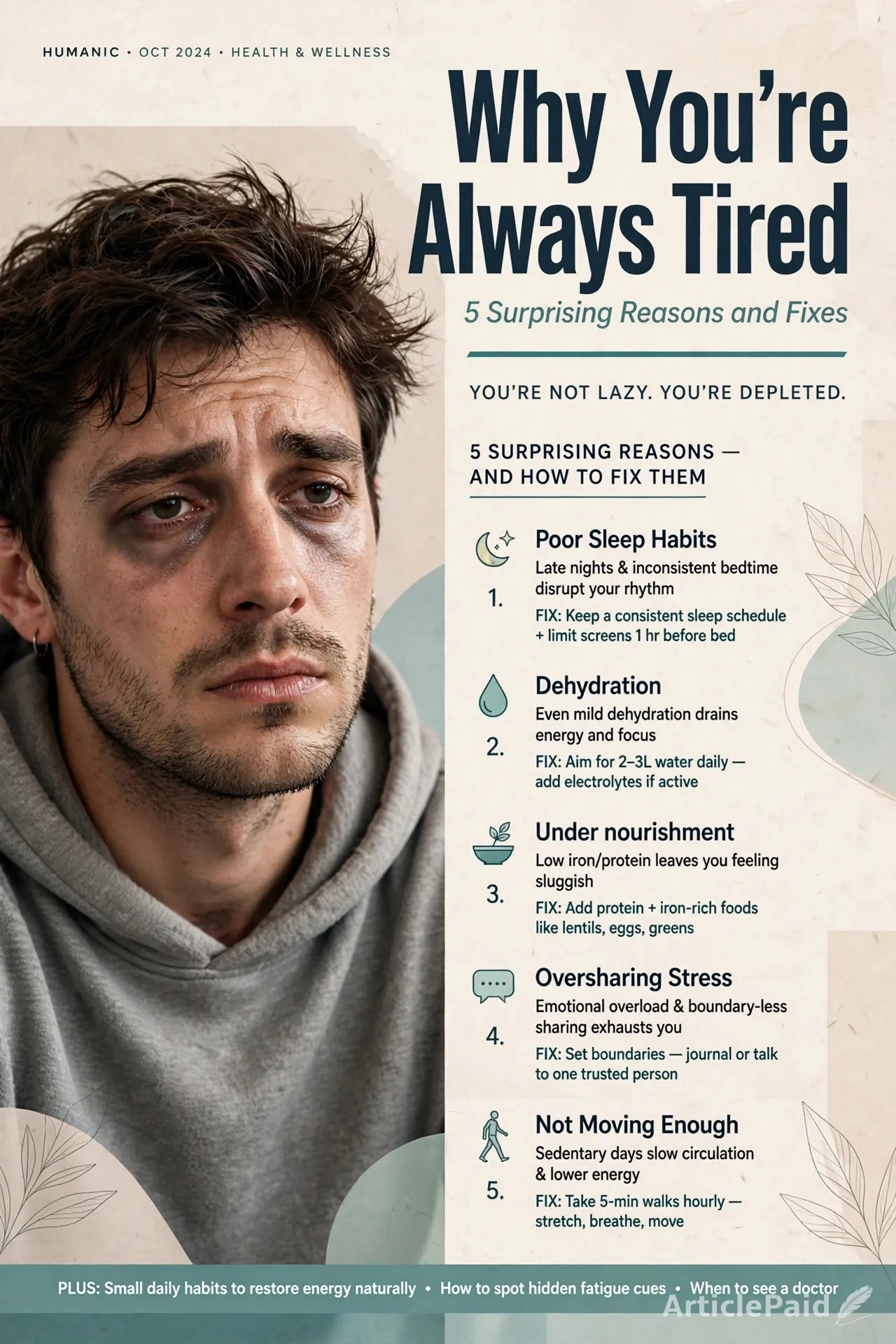
Sleep becomes more elusive for many women as they age. Hormonal shifts, stress, and lifestyle habits can all interfere with restful sleep. But poor sleep impacts everything—from immune strength and weight control to memory and mood.
Creating a healthy sleep routine can reset your body’s natural rhythms and help you wake up refreshed. Think of sleep as a non-negotiable form of self-care, not a luxury.
Ways to improve sleep naturally:
- Go to bed and wake up at the same time each day
- Create a calming evening routine
- Avoid screens, caffeine, and heavy meals before bed
- Keep your bedroom cool, dark, and quiet
- Try herbal teas, magnesium, or melatonin (consult your doctor)
9. Foster Social Connection and Purpose
Loneliness and isolation are real risks as women get older, especially post-retirement or after children leave home. But connection is a core part of health. Research shows that women with strong social ties live longer, have better immune function, and experience less depression.
Beyond friendships, finding purpose in volunteer work, hobbies, or mentorship adds meaning to your life. Aging is a time to share your wisdom, explore passions, and build deeper bonds.
How to stay connected and fulfilled:
- Schedule regular calls or visits with friends and family
- Join clubs, classes, or community groups
- Volunteer for causes that matter to you
- Explore new hobbies or creative outlets
- Practice open communication and nurture emotional intimacy
10. Nurture Self-Compassion and Joy
Perhaps the most important secret to healthy aging is learning to truly care for yourself—not just physically, but emotionally and spiritually. Self-compassion allows you to embrace your body as it changes, forgive yourself for mistakes, and celebrate every stage of your journey.
Joy is a powerful medicine. Finding small moments of happiness—through laughter, creativity, nature, or connection—feeds your soul and boosts your resilience. Aging well starts from within.
Ideas for cultivating joy and compassion:
- Practice self-kindness in your thoughts and words
- Spend time doing things that light you up
- Keep a joy journal and write down daily highlights
- Engage in spiritual or meditative practices
- Allow yourself rest, play, and space to grow
Conclusion
Healthy aging isn’t about denying change—it’s about embracing it with purpose, wisdom, and self-love. By fueling your body with the right foods, staying active in ways that energize you, and nurturing a positive, resilient mindset, you can enjoy a vibrant, fulfilling life at every stage. Every choice you make today is an investment in the woman you’re becoming tomorrow. So eat well, move often, love deeply, and never stop growing.




















Responses (0)
Sign in to share your thoughts.
Sign in