
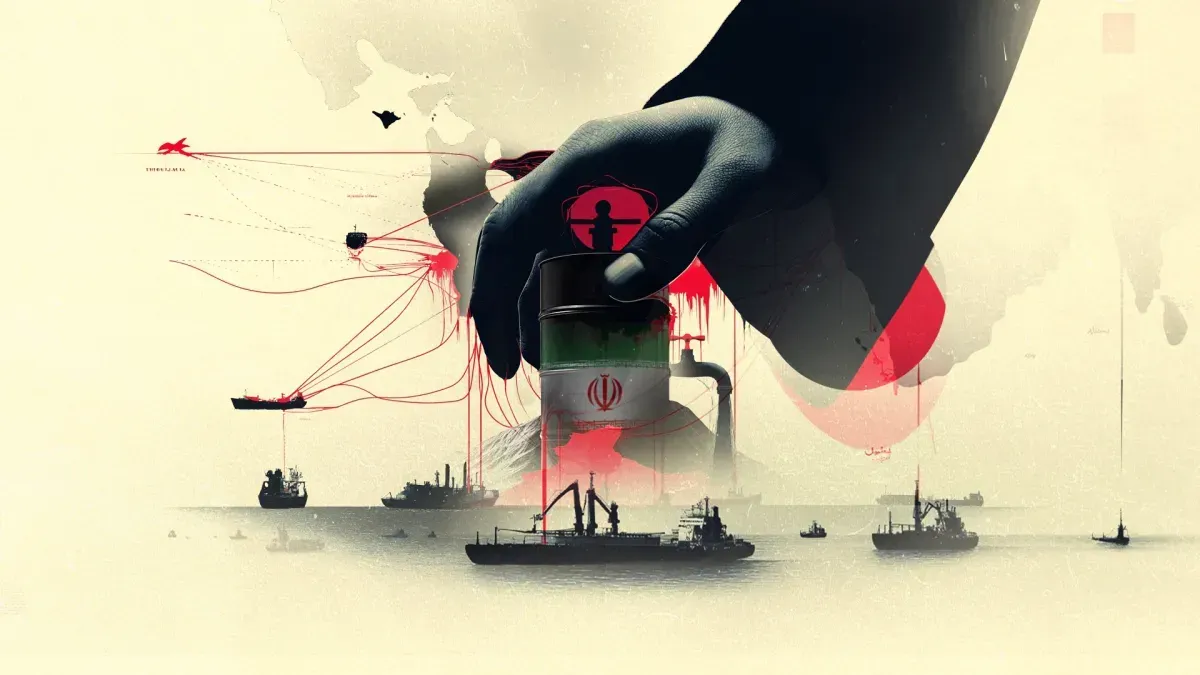
As tensions between the United States and Iran continue to escalate, a growing number of observers are asking a provocative question: Is this conflict partly influenced by America’s ambition to expand its oil and gas sales to Europe?
The timing raises eyebrows. Europe has been actively searching for stable and reliable energy suppliers. Political instability in traditional oil-producing regions often pushes European countries to diversify their sources.
In this environment, the United States now one of the world’s largest energy producers stands ready to increase exports across the Atlantic. Could this shifting energy landscape be quietly shaping geopolitical decisions?
Supporters of this view argue that instability in the Middle East, particularly involving Iran, tends to drive up oil prices and create uncertainty around supply routes. When that happens,
European nations naturally look toward dependable partners. The U.S. benefits from this shift by expanding its market share, strengthening its economic position, and deepening political ties with European allies. From this perspective, energy strategy becomes an important piece of the puzzle.
There is also a strategic dimension. If Europe relies more heavily on American energy, the U.S. gains greater influence in global affairs. Energy relationships often extend beyond economics
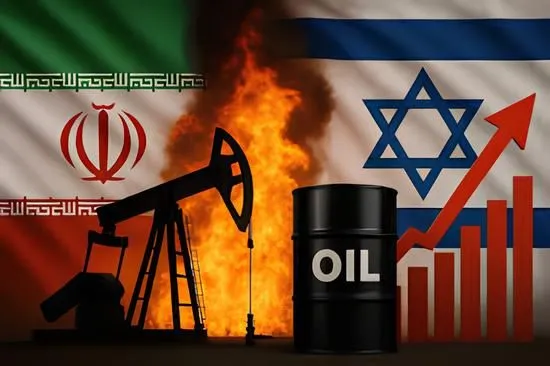
they shape diplomacy, security cooperation, and long-term alliances. By positioning itself as Europe’s primary supplier, Washington could reinforce its leadership role in the Western alliance.
However, this raises another question: Is it realistic to assume that oil alone drives such a complex conflict? Critics argue that the situation involves nuclear concerns, regional security, historical tensions, and military deterrence. Yet, even if oil is not the sole cause, it may still be an important underlying motivation influencing policy decisions.
Ultimately, the question remains open. Is the conflict purely about security and geopolitics, or is energy competition quietly playing a decisive role? As Europe’s demand for stable energy grows and global power dynamics shift, the idea that oil exports could influence strategic decisions becomes harder to ignore.
Whether coincidence or calculated strategy, one thing is certain: energy, politics, and power are deeply connected and
Europe’s oil needs may be part of the story.



Discussion
Actually this is true us want to sell their oil and want to reduce Iran's power inn middle east and UAE and Saudia arabis as well