
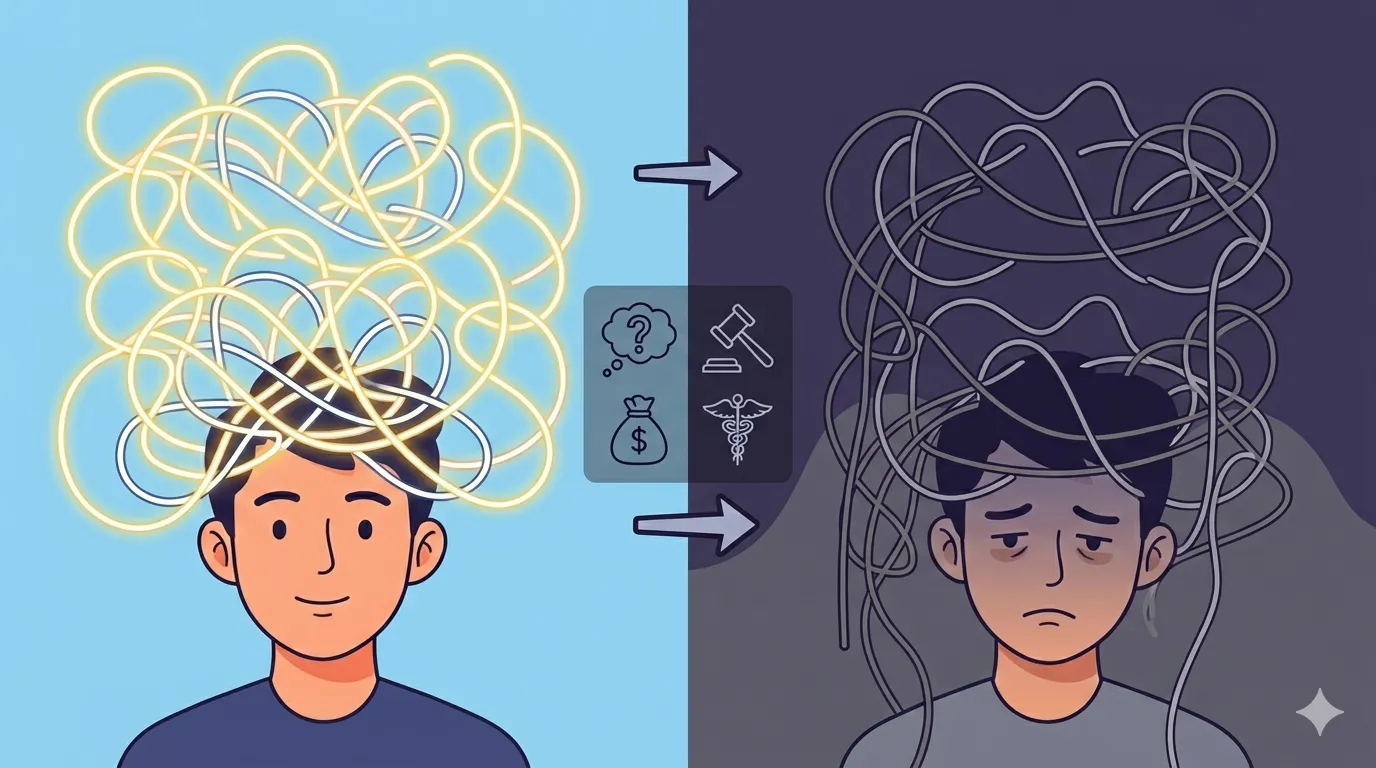
1. The "What If" Loop: Chronic Uncertainty
2. The Weight of Ruminative Guilt
3. Financial Survival and "The Trap"
4. Health Anxiety (Hypochondria)
More from ArticlePaid

How Daily Meditation Transforms Your Brain
Discover how just 10 minutes of daily meditation can change your brain structure, improve focus, and relieve anxiety—based on neuroscience and psychology.

Why does erectile dysfunction occur and how can it be treated?
Erectile dysfunction (ED) is a prevalent condition affecting millions of men worldwide. It's characterized by the inability to achieve or maintain an erection firm enough for sexual intercourse. While it can be distressing, understanding its causes and available treatments can help manage and overcome this condition effectively.

Understanding Mediumship and Clairvoyance Through Spiritual Practice
Have you ever experienced an inexplicable feeling of the presence of your loved one? Or perhaps have you had a sudden inspiration ...

The psychology behind doomscrolling: Why we keep scrolling and how to break the
You tell yourself you'll check the news for just a minute. A few moments later, you're still scrolling through stories about econo...
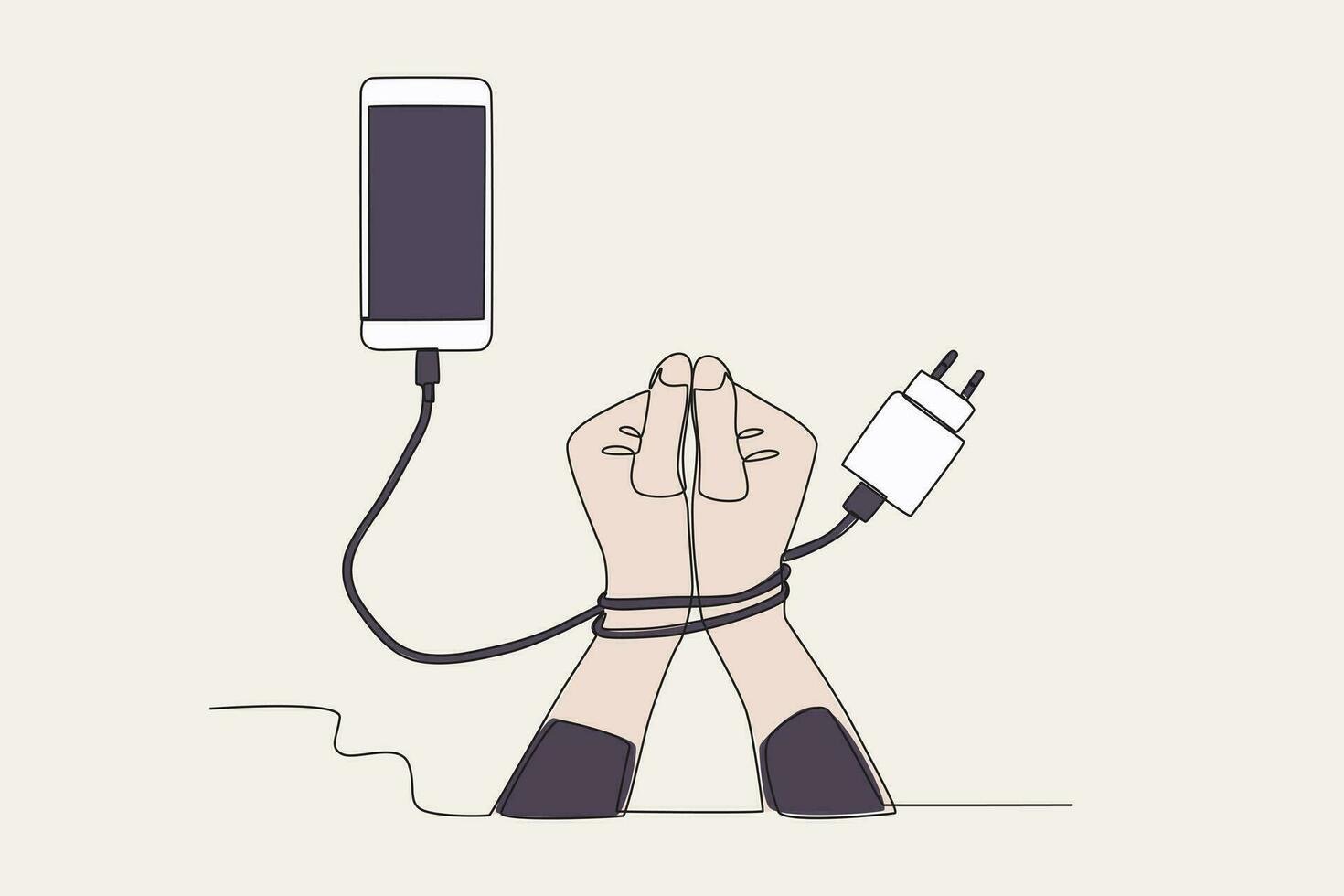
What is the Silent Burnout: When Rest Isn't Really Rest
You cancel your plans, turn off your phone, and lie on your bed hoping to feel better. But somehow, even in the silence, something feels wrong. Your body i

Mental Health Is a Collective Priority—Here's Why It Can't B
In today’s rapidly changing world, the importance of mental health has never been more clear—or more urgent. From global economic impacts to personal well-
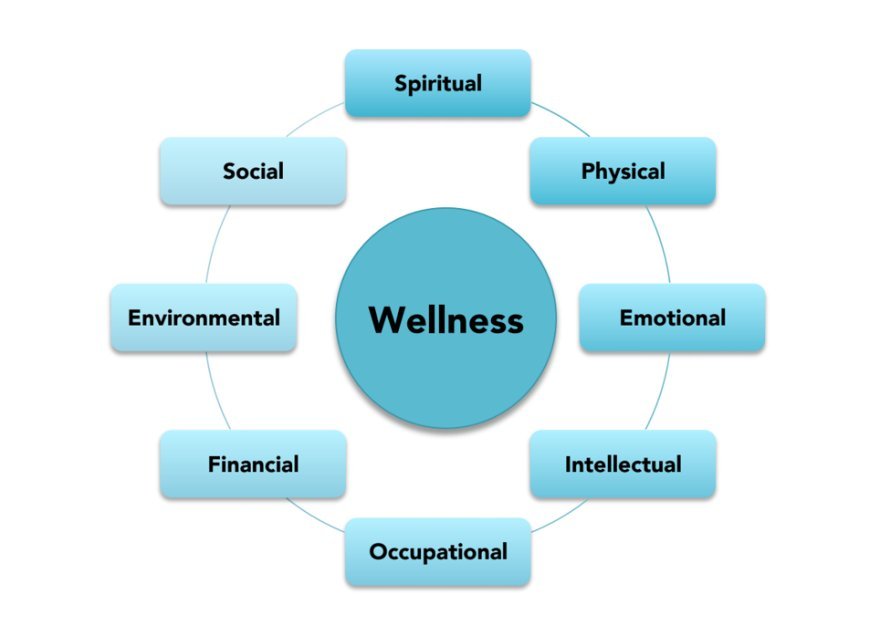
The Ultimate Guide to Mental Wellness and Self-Care
Boost your mental wellness with proven, simple, and effective self-care tips that bring balance, joy, and lasting emotional health.

How to Reduce Stress in Young Adults based on practical recommendations
The article is based on practical recommendations for preventing stress in the young people, such as diet and time management. The images were chosen well to accompany the article because they illustrate the media selling calm and relaxation imagery.
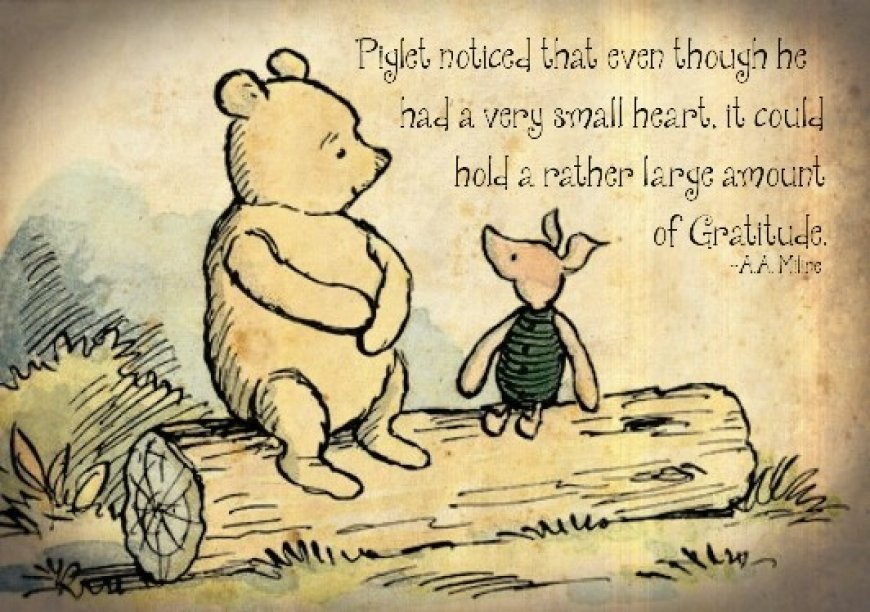
The Power of Gratitude : tips you should Practice Daily
Gratitude is a transformative emotion that can improve emotional well-being, physical health, relationships, and resilience. By practicing gratitude daily through journaling, expressing thanks, and mindfulness, you can cultivate a more positive outlook on life and experience its numerous benefits.
Weekly Top Articles

10 Skills That Could Become More Valuable Because of AI
Artificial intelligence is changing the way people work, learn, and build careers. As AI tools become more capable, many people as...

How AI Is Changing the Way People Work in 2026
Artificial intelligence is no longer a futuristic concept reserved for technology companies. In 2026, AI has become a practical pa...

Sauna and Ice Bath: Does Contrast Therapy Actually Work?
Walk into almost any gym this year and you'll see the same scene. Someone sweating it out in a sauna, then stepping straight into ...

Traditional chicken biryani recipe make and enjoy with family
Chicken Biryani Ingredients**Regarding the chicken:** * 1 kilogram of chopped chicken * One cup of yogu...

Easy Italian Chicken Pasta: A Tasty Homemade Chicken Dish
Easy Italian Chicken Pasta is a delightful dish made with tender chicken pieces, herbs, and a creamy sauce, and served with al den...

Home made easy dry fruits ice cream recepi
Creamy Dry Fruits Ice Cream Recipe **Dry Fruits Ice Cream** is a decadent dessert that is rich, creamy, and loaded with...








Responses (0)
Sign in to share your thoughts.
Sign in