
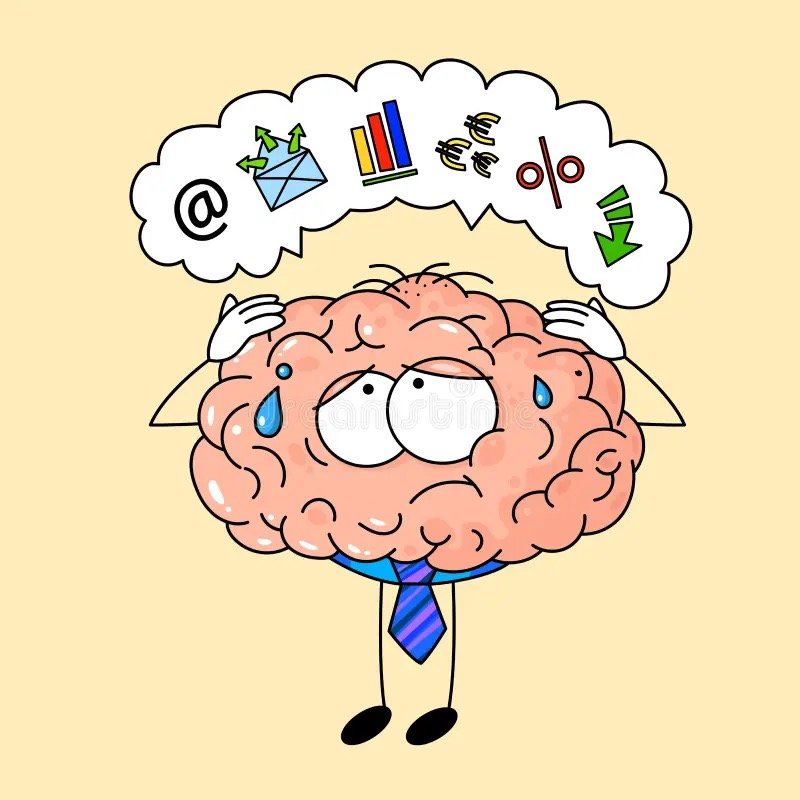
In a world that worships productivity, doing nothing can feel wrong — even lazy. We pack our days with tasks, entertainment, and endless scrolling, as if every moment needs to be filled.
But here’s the truth: your brain isn’t built for constant stimulation. In fact, periods of intentional rest — moments where you truly do nothing — are essential for creativity, mental health, and even problem-solving.
The Lost Skill of Doing Nothing
Not long ago, downtime was a natural part of life. Waiting in line meant looking around. Sitting on the porch meant watching the clouds. Long walks meant thinking, reflecting, imagining.
Today, any pause is instantly filled with phones, notifications, and content. We’ve forgotten how to simply be.
Why Your Brain Loves Idleness
1. Restores Mental Energy
Your brain is like a muscle — constant use without rest leads to fatigue. Moments of nothingness allow it to recharge, making you more focused later.
2. Unlocks Creativity
Many breakthroughs happen when you’re relaxed — in the shower, on a walk, or before sleep — because your mind has space to wander and make new connections.
3. Processes Emotions
When you stop distracting yourself, feelings you’ve been avoiding have a chance to surface. This is uncomfortable but essential for emotional health.
4. Strengthens Memory
Idleness gives your brain time to consolidate information, turning short-term learning into long-term knowledge.
The Science Behind It
Neuroscientists call this the default mode network — the part of your brain that lights up when you’re not focused on a specific task. It’s active during daydreaming, reflection, and imagination, and it plays a huge role in self-awareness.
How to Practice the Art of Doing Nothing
1. Schedule It
Ironically, you may need to plan your unplanned time. Block out even 10 minutes a day to be still.
2. Remove Distractions
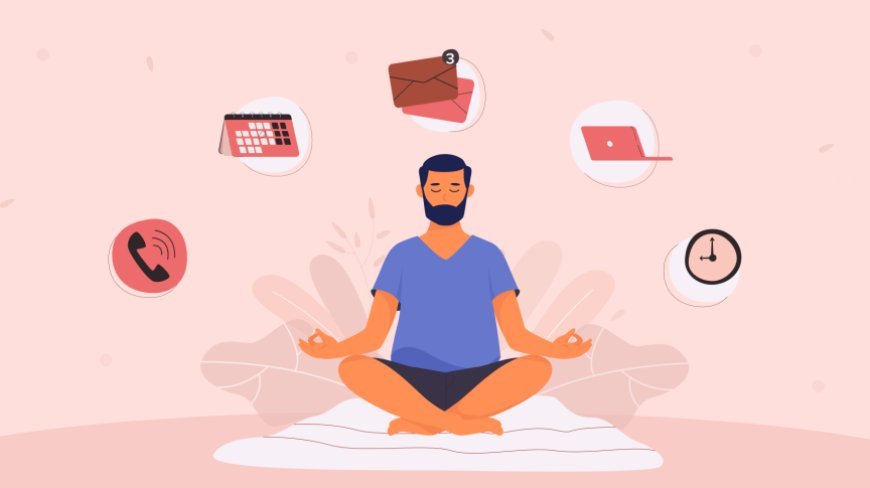
No phone. No music. No book. Just sit, lie down, or take a slow walk without multitasking.
3. Let Your Mind Wander
You don’t have to meditate or control your thoughts. The point is to let them drift without pressure to act.
4. Start Small
If stillness feels uncomfortable, begin with 2–5 minutes. Gradually increase as it becomes easier.
5. Pair It with Nature
Being outside amplifies the benefits — natural environments naturally calm your nervous system.
The Difference Between Rest and Escape
Doing nothing is not the same as numbing out with endless scrolling or binge-watching. True rest is about letting your mind breathe, not cramming it with more content.
A Reframe to Remember
Doing nothing isn’t wasted time — it’s an investment in your mental clarity, creativity, and emotional well-being. The busier your life gets, the more you need it.


















Responses (0)
Sign in to share your thoughts.
Sign in