
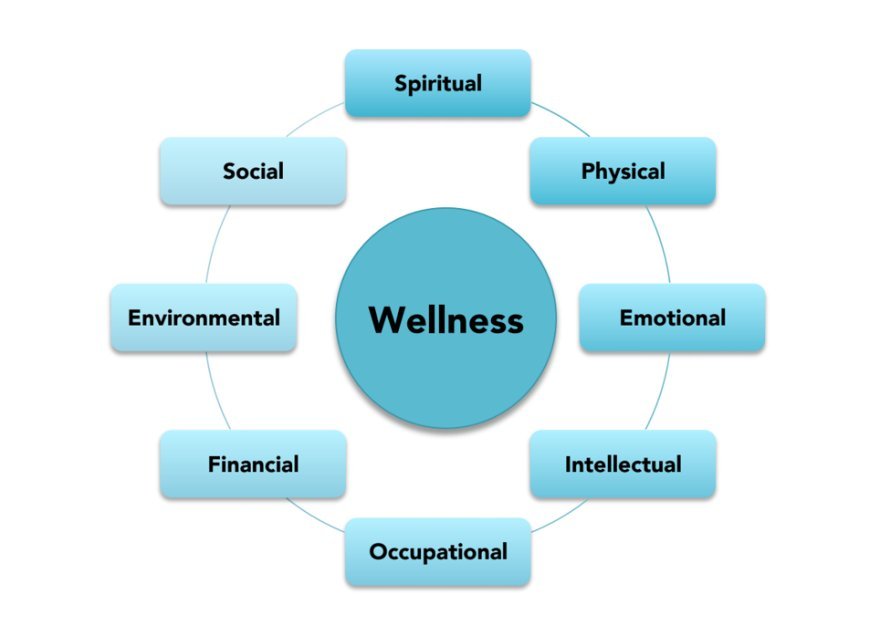
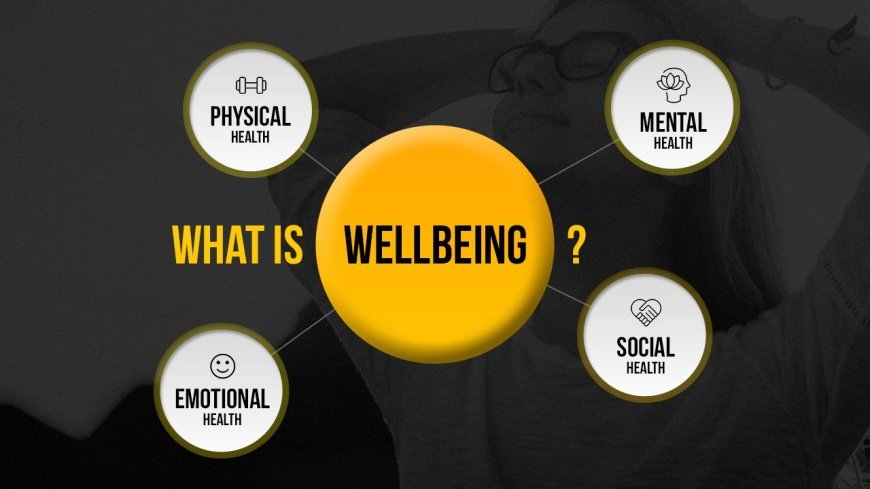
Mental wellness is the heart of a happy, balanced life. Yet, in a world filled with noise, pressure, and chaos, it's easy to feel overwhelmed and lost. Your mind carries your thoughts, dreams, fears, and hopes—it deserves your care. Self-care isn't selfish. It's survival. When you invest in your emotional and mental health, everything begins to change. You think clearer. You sleep deeper. You feel stronger. The good news? You don’t need expensive tools or perfect routines. Simple, powerful actions done consistently can heal, restore, and renew. This ultimate guide will walk you through self-care tips that actually work—practical, heartfelt steps you can start today. Ready to feel more peace, more strength, and more joy? Let’s begin your journey to lasting mental wellness.
Prioritize Sleep: Recharge Your Mind
Quality sleep is the foundation of mental wellness. Without it, your brain struggles to regulate emotions, focus, and energy. A consistent bedtime routine signals your body it’s time to rest. Avoid screens an hour before sleeping. Dim lights and create a calm space. Sleep helps the brain clear toxins and process memories. It also improves mood and reduces anxiety. Lack of rest can lead to irritability and mental fatigue. Prioritizing sleep is one of the most effective self-care strategies. It’s essential to treat sleep as a sacred ritual. The more you protect your sleep, the better your mind will function.
- Sleep 7–9 hours every night
- Avoid caffeine after 3 PM
- Keep your room cool and dark
- Stick to a regular sleep schedule
Eat Nourishing Foods: Fuel for Mental Clarity
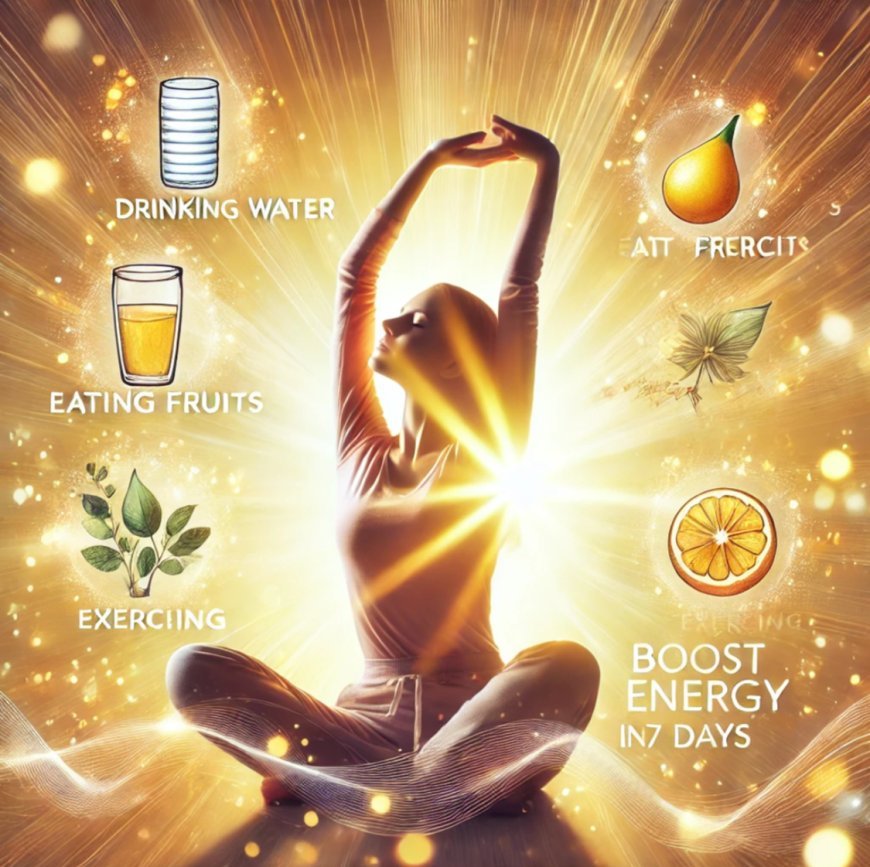
What you eat affects your thoughts, emotions, and energy. A balanced diet promotes a healthy brain and emotional stability. Processed foods may lead to mood swings and brain fog. On the other hand, whole foods like fruits, vegetables, and omega-3-rich meals enhance mental clarity. Nutrition directly impacts the gut-brain connection. Serotonin, a mood-regulating chemical, is mostly produced in the gut. Therefore, good food choices lift your mood and reduce stress. Stay hydrated too, as dehydration can trigger fatigue and poor concentration. Eating well is a daily form of self-care and love for your body and mind.
- Add leafy greens to your meals
- Include omega-3s like salmon or walnuts
- Avoid sugar-laden snacks
- Drink eight glasses of water daily
Move Your Body: Exercise for Emotional Strength
Physical movement boosts endorphins and serotonin—your body’s natural mood enhancers. Regular exercise reduces stress and builds emotional resilience. You don’t need to hit the gym. A walk in nature or a dance session in your room counts. Physical activity helps release emotional tension stored in the body. It also improves sleep, confidence, and mental stamina. When you move your body, you reconnect with it. That connection calms the mind and relieves mental overload. Start small. Ten minutes a day can make a huge difference over time. Movement heals, energizes, and empowers.
- Take a brisk 15-minute walk daily
- Try yoga or stretching in the morning
- Dance to your favorite playlist
- Use stairs instead of elevators
Practice Mindfulness: Be Present in the Moment
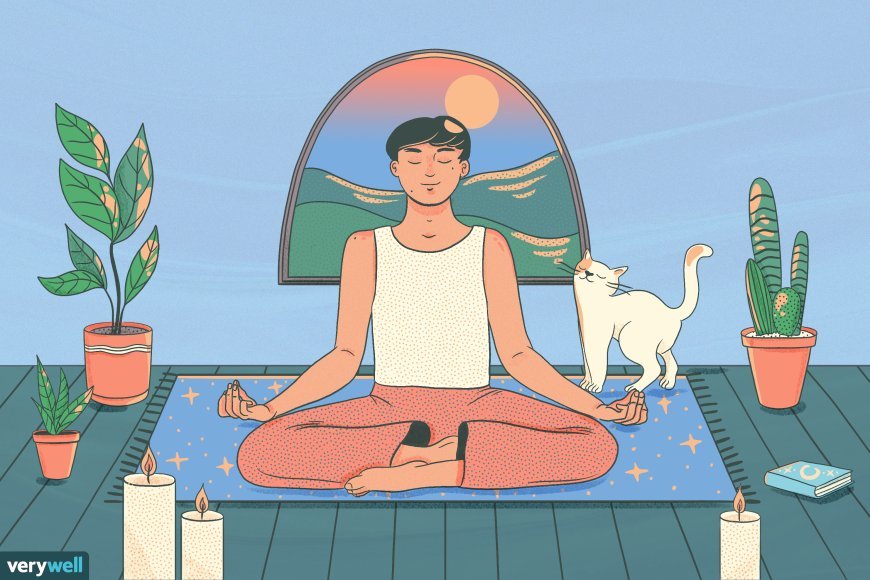
Mindfulness brings peace and focus. It helps you observe thoughts without judgment and reduces anxiety. Being mindful teaches you to respond, not react. In a fast-paced world, your mind craves stillness. Mindfulness trains the brain to stay grounded. It reduces mental clutter and sharpens awareness. This practice doesn't require hours. Just a few deep breaths can bring you back to the present. Use daily moments—like brushing your teeth—to practice presence. When your mind wanders, gently bring it back. Mindfulness is a powerful anchor during emotional storms.
- Meditate for 5–10 minutes each morning
- Focus on your breath throughout the day
- Listen without planning your reply
- Notice sounds, colors, and sensations around you
Set Boundaries: Protect Your Energy
Boundaries are essential for mental well-being. Without them, burnout sneaks in, and resentment builds. Healthy boundaries help you feel respected and in control. Learn to say “no” without guilt. Doing so creates space for the things that matter most. Boundaries also prevent emotional exhaustion. They protect your time, energy, and peace. You don’t owe everyone access to your mind or your heart. Saying “yes” to yourself often means saying “no” to others. This isn’t selfish—it’s survival. Emotional self-care begins with knowing and respecting your limits.
- Politely decline tasks that overwhelm you
- Limit time with toxic people
- Set phone-free hours
- Prioritize what feels right for you
Connect with Others: Build a Support Network
Human connection heals. Talking with others helps release emotional pressure. You don’t need many friends—just meaningful ones. Vulnerability opens the door to trust and comfort. Having someone who listens makes a big difference. Feeling heard validates your emotions. A supportive circle encourages you during hard times. Social wellness boosts your mental health, especially when life gets tough. Don’t isolate yourself. Reach out, even when it’s hard. Relationships provide perspective, love, and laughter. We’re wired for connection. Let people in and allow their presence to uplift you.
- Call or text a loved one weekly
- Join local or online support groups
- Share how you feel openly
- Plan regular social meet-ups
Journal Daily: Write to Heal and Reflect
Writing clears the mind. Journaling offers a safe space to release emotions and discover patterns. It turns chaos into clarity. When thoughts feel tangled, pen and paper bring peace. You don’t need to be a writer. Just write what’s on your heart. Over time, journaling increases self-awareness. It’s a mirror to your mind and a path to healing. Let your journal hold your fears, dreams, and frustrations. Writing can be therapeutic, helping you make sense of pain and purpose. Create a habit. Let it become your mental detox.
- Write three things you’re grateful for
- Reflect on one emotion daily
- List what made you smile today
- Release worries onto the page
Take Breaks: Reset Before You Burn Out
Rest is not a reward—it’s a necessity. Mental exhaustion often begins with ignoring the need to pause. Short breaks improve focus and prevent emotional burnout. Pushing through stress doesn’t make you stronger. It drains your soul. Breaks allow your nervous system to reset. Whether it’s five minutes of silence or a weekend getaway, pauses matter. They remind you that it’s okay to slow down. Productivity improves when you’re rested. Choose peace over pressure. Listen to your body when it whispers before it screams.
- Step outside for fresh air
- Unplug from screens regularly
- Schedule mini-breaks throughout your day
- Take one rest day weekly
Embrace Nature: Let the Outdoors Heal You
Nature soothes the soul. Time outside lowers cortisol levels and lifts your spirit. The earth’s rhythm calms a restless mind. Green spaces reduce anxiety and boost mental clarity. Natural light resets your internal clock and enhances your mood. Walking in nature helps you feel grounded. Even a few minutes under the sun brings joy. Nature doesn’t rush. It just exists—and so can you. Let trees, water, and sky remind you that peace is still possible. The outdoors is always open and healing is free.
- Spend 10 minutes in sunlight daily
- Walk barefoot on grass
- Visit a park or nature trail weekly
- Listen to birds or flowing water
Seek Professional Help: Therapy is Strength
Sometimes, you can’t do it alone—and that’s okay. Therapists help you unpack what’s too heavy to carry alone. Seeking help is brave, not weak. Mental health professionals offer tools that promote healing. They provide clarity, insight, and support. If emotional pain persists, therapy can help shift your mindset. You don’t have to wait until you’re drowning to reach out. Help is available, accessible, and effective. Investing in therapy is a commitment to your well-being. Everyone needs support. Don’t suffer in silence when you can grow in guidance.
- Look for licensed mental health professionals
- Try online counseling if in-person is tough
- Join group therapy for shared experiences
- Be honest and open during sessions
Conclusion
Mental wellness is not a destination—it’s a lifelong journey. Every self-care step you take builds emotional strength and resilience. You deserve to feel whole, balanced, and at peace. By prioritizing rest, nourishment, movement, connection, and healing, you honor your worth. Your mind is your home—care for it daily. Consistency creates lasting change. Be gentle with yourself. You are doing the best you can, and that is enough. Embrace this guide, apply what resonates, and watch your life transform. Your mental health matters—always.




















Responses (0)
Sign in to share your thoughts.
Sign in