
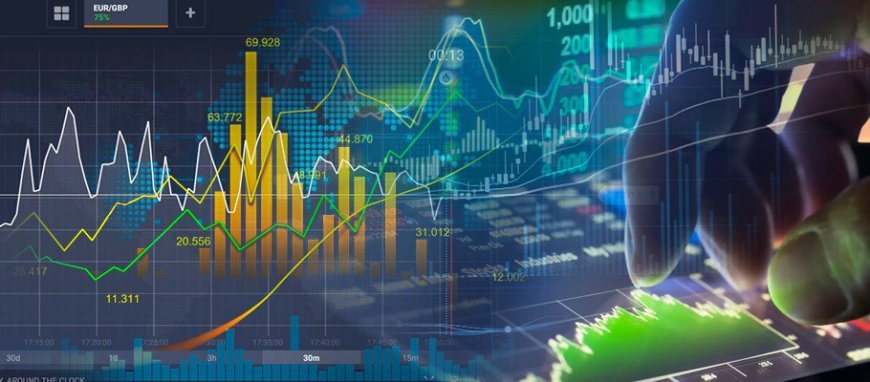
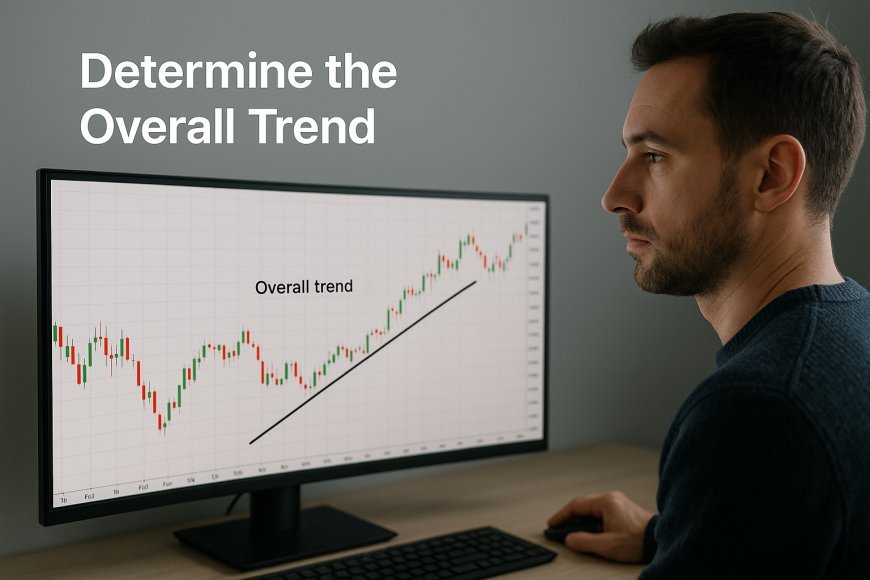
In 2025, online trading platforms continue to evolve rapidly, offering U.S. investors a powerful suite of tools to trade stocks, ETFs, options, futures, and even crypto. Choosing the right trading platform is essential for executing trades effectively, managing portfolios, and accessing real-time data and research. With an increasing number of investors going digital, brokerages are responding with competitive pricing, intuitive user interfaces, and robust charting capabilities.
Below is a detailed guide to the top 10 trading platforms in the U.S. market, helping you compare and choose the right one based on your trading style, goals, and experience level.
1. TD Ameritrade (Thinkorswim)
Thinkorswim by TD Ameritrade continues to be one of the most advanced trading platforms in 2025. Popular among active traders, it offers customizable dashboards, professional-grade technical analysis tools, and real-time streaming data. Thinkorswim is ideal for options, equities, and futures traders who demand precision and performance.
Key Features:
- Zero commissions on U.S. stock and ETF trades
- Highly customizable desktop and mobile platforms
- Advanced charting with hundreds of technical indicators
- Integrated paper trading account for simulation
- Comprehensive options analysis tools
2. Charles Schwab
After acquiring TD Ameritrade, Charles Schwab now offers access to both Schwab’s intuitive trading platform and Thinkorswim. Its own platform is highly regarded for its ease of use and is well-suited for both beginners and seasoned investors.
Key Features:
- Commission-free trading for U.S. stocks and ETFs
- Access to Schwab’s research and planning tools
- Fractional shares with Schwab Stock Slices™
- Extensive educational resources and webcasts
- Seamless integration with Schwab banking services
3. Fidelity Investments
Fidelity’s trading platform strikes a balance between simplicity and powerful features. It supports a wide variety of asset classes and offers in-depth research, advanced screening tools, and strong customer service.
Key Features:
- $0 commission for U.S. stocks, ETFs, and options
- Rich research tools from Zacks, Morningstar, and others
- Active Trader Pro® desktop platform for advanced users
- Access to fractional shares and real-time data
- Great for both long-term investors and active traders
4. Interactive Brokers (IBKR)
Interactive Brokers is the go-to platform for professional traders, international investors, and institutions. With access to over 150 global markets and advanced order routing technology, IBKR is perfect for experienced traders who require low fees and high-speed execution.
Key Features:
- Low margin rates and tiered commission structure
- Global market access across stocks, options, forex, and futures
- Advanced trading tools, APIs, and algorithmic order types
- Real-time risk management and portfolio analysis
- IBKR Lite available for commission-free trading
5. E*TRADE
ETRADE is a long-standing player in the online trading world and continues to be a favorite for both casual investors and active traders. It offers two platforms: ETRADE Web for ease of use and Power E*TRADE for advanced functionality.
Key Features:
- $0 commissions for U.S. stock and ETF trades
- Power E*TRADE platform with futures and options tools
- Extensive educational content and webinars
- Intuitive mobile app for trading on the go
- Retirement and managed portfolios also available
6. Robinhood
Robinhood pioneered zero-commission trading and continues to dominate among mobile-first, millennial, and Gen Z traders. Its platform is clean, fast, and user-friendly, although it still lacks some of the advanced tools offered by competitors.
Key Features:
- Zero-commission trades for stocks, ETFs, options, and crypto
- Easy-to-use mobile and web interface
- Fractional share investing
- Robinhood Gold for research and margin trading
- Real-time market data and fast order execution
7. Webull
Webull caters to tech-savvy active traders with its modern design and rich charting tools. It's a favorite among retail traders seeking advanced features without platform fees. Webull also allows extended-hours trading and offers access to cryptocurrencies.
Key Features:
- Commission-free trading across stocks, ETFs, and options
- Advanced charting with technical indicators
- Pre-market and after-hours trading access
- Paper trading and community forums
- Real-time news and earnings alerts
8. Merrill Edge
Merrill Edge, backed by Bank of America, offers a seamless connection between your banking and investing accounts. The platform provides a solid combination of research, planning tools, and managed portfolio options for clients of all levels.
Key Features:
- $0 commission on stock and ETF trades
- Preferred Rewards benefits for Bank of America clients
- Robust mobile and desktop trading experience
- Access to Merrill’s award-winning research
- Goal planning and retirement resources integrated
9. Tastytrade (formerly Tastyworks)
Tastytrade specializes in options trading and caters to active traders who want deep customization and strategy building. It’s designed by professional traders and features fast execution, low fees, and educational resources.
Key Features:
- Low-cost options trading and transparent pricing
- Visual interface for complex strategy building
- Fast execution and performance optimization
- Integrated financial news and video content
- Built for options, futures, and active equity traders
10. TradeStation
TradeStation is a powerful platform for advanced traders, offering everything from fully customizable charts to algorithmic trading support. It provides access to a wide range of asset classes and allows detailed strategy testing through backtesting features.
Key Features:
- Zero-commission plans available
- Direct market access with blazing-fast execution
- Extensive scripting tools for automated trading
- Real-time scanning and alerts
- Cryptocurrency, futures, and equities supported
Conclusion
Choosing the right trading platform in 2025 depends on your trading style, goals, and level of experience. Whether you're a beginner who needs a simple, mobile-friendly interface or a professional seeking direct market access and algorithmic tools, the U.S. market offers a platform for every type of trader. Platforms like TD Ameritrade’s Thinkorswim and Interactive Brokers lead the way for active traders, while Fidelity, Schwab, and Merrill Edge provide balanced options with excellent research tools. The rise of mobile-first platforms like Robinhood and Webull shows the growing demand for fast, commission-free trading. Take time to assess the features that matter most—fees, tools, research, or user experience—to make the best decision for your financial success.


















Responses (0)
Sign in to share your thoughts.
Sign in