
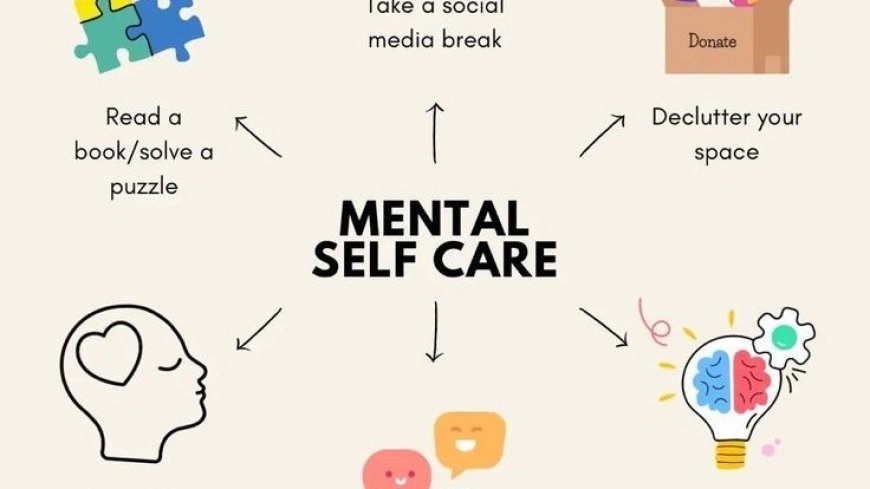
Life moves fast. Between deadlines, responsibilities, and endless to-do lists, mental health often takes the back seat. We get caught up in survival mode—forgetting to check in with ourselves. But ignoring our mental wellness leads to burnout, anxiety, and emotional exhaustion. Your mind is your greatest asset. You deserve rest, healing, and balance. Even in a packed schedule, simple acts of self-care can make a powerful difference. You don’t need hours—you just need intention. This guide is crafted for busy people like you who want practical, effective ways to care for their emotional well-being. Let’s explore how you can protect your peace, find calm, and prioritize your mental health—no matter how hectic life gets.
Start with Small Daily Rituals
Tiny habits have a big impact on your emotional health. When life feels overwhelming, consistency brings comfort. Create small rituals that ground your day. Morning stretches, a quiet moment with tea, or evening reflection can calm your nervous system. These routines don't require much time, but they tell your mind you matter. Rituals create order amidst chaos. They help you feel in control, even when life isn’t. A simple act of self-care becomes a signal of self-worth. Over time, these habits shape your mental strength. You don't need perfection—just presence. Start small, stay steady, and feel the shift.
- Light a candle while you journal
- Stretch for five minutes after waking up
- Drink water before your coffee
- Reflect on one thing you’re grateful for
Learn to Say No Without Guilt
Saying “no” is one of the most powerful self-care strategies. Your time and energy are sacred. Overcommitting leads to burnout and emotional strain. Many people say “yes” to avoid conflict or guilt. But every “yes” to others is a “no” to yourself if it drains you. Boundaries are acts of self-respect. Protecting your peace is not selfish—it’s essential. When you choose your mental health, you set the standard for how others treat you. Saying “no” gets easier with practice. Start small, stay firm, and remember your “no” creates space for the things that matter most.
- Practice saying “Let me think about it”
- Don’t explain more than necessary
- Prioritize tasks that align with your goals
- Let go of people-pleasing habits
Schedule Mental Health Breaks
Breaks are not luxuries—they're lifelines. Even five minutes of rest can reset your emotional energy. Set alarms to pause during your day. Take a walk, breathe deeply, or step away from your screen. When you ignore your need to rest, stress accumulates. These micro-breaks help you process emotions and prevent burnout. Regular pauses improve focus and mood. If you’re always on the go, make rest non-negotiable. You can’t pour from an empty cup. Give yourself permission to pause. In these moments, you reconnect with your breath, your thoughts, and your purpose.
- Block break time in your calendar
- Use calming apps for guided breathing
- Take lunch away from your desk
- Close your eyes and breathe deeply
Limit Digital Overload
Screens drain more than your eyes—they drain your mind. Constant scrolling creates mental clutter. News, messages, and comparisons overwhelm the brain. Reducing screen time clears emotional space. Start by setting limits on social media and news apps. Choose quality connection over constant connection. Digital detoxes, even for 30 minutes, restore clarity. Replace screen time with mindful activities like reading or walking. The goal isn’t to eliminate technology but to use it with intention. Mental clarity thrives in silence. Turn down the noise so you can hear yourself again.
- Turn off notifications on non-essential apps
- Keep devices out of your bedroom
- Use screen-time tracking tools
- Schedule “no-tech” hours each evening
Move Your Body, Even in Short Spurts
Physical movement lifts your mood, even if it’s just ten minutes. Exercise reduces anxiety and boosts endorphins. You don’t need a gym. A brisk walk, quick dance, or stair climb can change your day. Movement clears mental fog. It releases tension and strengthens resilience. When you're busy, short workouts are gold. You’ll think better, sleep deeper, and handle stress with more grace. Make it fun. Choose movement that brings joy. Consistent, enjoyable activity is more sustainable than intense, dreaded routines. Your body is your ally—let it help you heal your mind.
- Do jumping jacks during breaks
- Stretch while your coffee brews
- Dance to one song before dinner
- Walk during phone calls
Nourish Your Body for Mental Strength
Your brain needs fuel to function well. Skipping meals or eating junk leads to crashes and mood swings. Nutritious meals stabilize energy and improve focus. A well-fed brain copes better with stress. Include whole foods—fruits, vegetables, lean proteins, and healthy fats—in your day. Hydration is just as important. Dehydration triggers fatigue and irritability. Eating well isn’t about strict diets—it’s about kindness to your body. When you nourish yourself, you send a message of self-love. Take time to eat, even during busy days. Your mind will thank you.
- Keep healthy snacks at your desk
- Prep meals ahead to avoid stress
- Drink water before each meal
- Choose food that energizes, not drains
Practice Mindful Breathing
Breathing is the fastest way to calm your nervous system. Deep, intentional breaths tell your brain you're safe. When you’re stressed, your breath becomes shallow. Mindful breathing resets your emotional state. Even one minute of focus can reduce anxiety. Use breathing techniques during tough moments—meetings, traffic, or anxious thoughts. This simple tool is always available. You don’t need special equipment. Just close your eyes, breathe in deeply, and exhale slowly. Let each breath ground you. With practice, your breath becomes a powerful anchor in any storm.
- Try the 4-7-8 breathing technique
- Inhale through your nose, exhale through your mouth
- Practice before bed to relax
- Use breath to check in with emotions
Create a Calm Environment
Your space affects your mind. A cluttered room often mirrors a cluttered mind. Create a calm, organized space to support peace. Add elements that soothe you—plants, soft lighting, gentle scents. Design a corner for rest, reading, or journaling. Even in small spaces, intentional touches make a difference. Reduce visual noise by simplifying your surroundings. A peaceful environment invites you to slow down and breathe. It becomes a safe haven from life’s chaos. When your space nurtures calm, your mind follows. Take time to create beauty around you.
- Declutter one small area daily
- Use essential oils or candles
- Choose calming colors and soft textures
- Keep your favorite book or journal nearby
Stay Connected with People Who Uplift You
Relationships shape your mental health. Surround yourself with people who uplift and understand you. Life is too short for draining connections. Supportive relationships offer comfort, laughter, and strength. You don’t need a large circle—just a genuine one. Regular check-ins help you feel less alone. Connection reminds you that you’re valued and loved. It also provides perspective during stressful times. Make time for meaningful interactions, even brief ones. Social support is a proven tool for emotional health. You grow stronger when you let others in.
- Text or call someone who lifts your spirits
- Plan coffee dates or virtual chats
- Share your thoughts honestly
- Celebrate small wins together
Ask for Help When You Need It
You don’t have to do it all alone. Asking for help is strength, not weakness. If you're overwhelmed, reach out. Talk to a therapist, coach, or trusted friend. Professionals offer tools that restore mental clarity. Sometimes, an outside perspective reveals solutions you can’t see. There’s no shame in seeking support. Everyone struggles at some point. Healing begins when you speak up. You're not a burden—you’re human. Leaning on others is a vital part of self-care. The courage to ask is the first step toward relief.
- Find a local or virtual therapist
- Join a support group for your needs
- Be honest about what you’re feeling
- Remember that help is available and real
Conclusion
Mental health is your foundation. Without it, everything else becomes harder. You deserve to feel calm, focused, and emotionally balanced—even with a packed schedule. Self-care doesn’t have to be complicated or time-consuming. With intention and small steps, you can protect your peace. Your well-being matters. Make time for what nurtures your mind and soul. Prioritize yourself like you do everything else. The more you care for your mental health, the better you show up for your life. Start today, stay consistent, and watch everything change for the better.























Responses (0)
Sign in to share your thoughts.
Sign in