

The Familiar School Memory
You probably remember moments in school when a teacher would say, “Write neatly.” It often happened during exams or class tests. Some students write smoothly, while others struggle to make their English handwriting look clear and presentable.
But for many of us in Pakistan, the experience felt different. We knew the English words. We understood the grammar. Yet when it came to writing them down, our handwriting looked uncertain, letters uneven, spacing awkward, and strokes that didn’t quite feel natural. It wasn’t because we didn’t know English.
The struggle isn’t about grammar or vocabulary; it was about writing itself. Many of us grew up writing Urdu first, and switching scripts created a hidden difficulty. The trouble with English handwriting is more common than we think.
To understand why this happens, it helps to look at how many Pakistani students first learn to write.
Growing Up with Urdu Writing
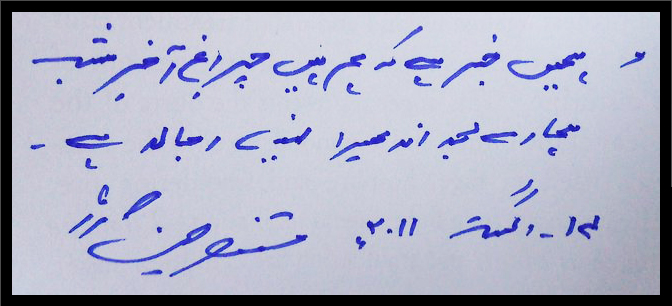
Many Pakistani students grow up learning to write Urdu before they become comfortable writing English. In many Pakistani homes and schools, students were taught to write in Urdu handwriting, where they were taught to practice the flow of right-to-left writing with joined letters and smooth strokes.
Urdu handwriting often felt natural for students who practiced regularly using handwriting books. Through constant practice, students became familiar with both the language and the natural flow of the script.
Many students remember simple classroom activities such as:
- Writing Urdu essays
- Copying lessons from the board
- Practicing neat handwriting in notebooks
This early exposure builds the muscle memory for a completely different script. Our hands were trained for the Urdu script writing style before English handwriting was seriously practiced in schools.
The Shift to English Script
Due to changes in the education system in different regions, many schools have made it compulsory to speak and learn English writing at a very young age. This sudden shift causes students to struggle with how to write legibly in English, as they grew up with writing in Urdu.
With this shift, students are suddenly required to write:
- English essays
- Comprehension answers
- Long exam responses
Since English writing is completely different from Urdu writing, the shift from left-to-right writing direction requires flow, separating letters rather than connecting them, and following certain rules regarding capitalization, proper nouns, punctuation, and the start of sentences.
This awkward transition is something many students experience when switching scripts, causing:
- Uneven letters
- Slow writing speed
- Mixing cursive and printing styles
- Confusion about writing direction
- Difficulty in recognizing which capital and lowercase letters are appropriate to use
This challenge is often ignored because schools expect students to already be comfortable writing in English. This happens because many people assume students already know English. Knowing English is not the same as being comfortable writing it.
The Silent Classroom Struggle
The emergence of technology has changed many educational institutions in Pakistan, where students are taught to adapt to the changing environment in the classroom. In many classrooms, teachers focus more on grammar, vocabulary, and content. Handwriting becomes a secondary concern, even though it still affects how answers are perceived in exams.
Focusing on these areas helps students learn the language, but it does not address handwriting itself. Writing in English is not about perfectionism; it's about learning how to build muscle memory and write smoothly without showing perfect handwriting.
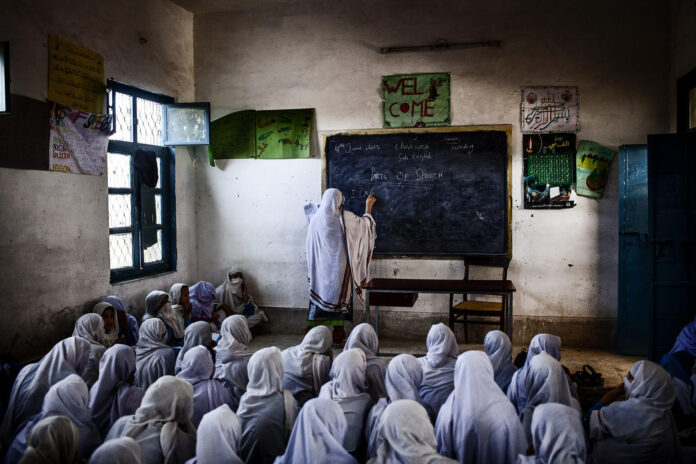
With the struggle of speed and legibility, many students produce messy handwriting, which affects their confidence, exam preparation, and teacher perception. This insecurity worries students about how their handwriting looks.
Some students may even avoid writing longer answers because it feels tiring or messy. Because of this, students compare their handwriting with that of their classmates who write effortlessly. The ongoing struggle exists, but it’s rarely discussed openly.
Why Script Switching Is Hard
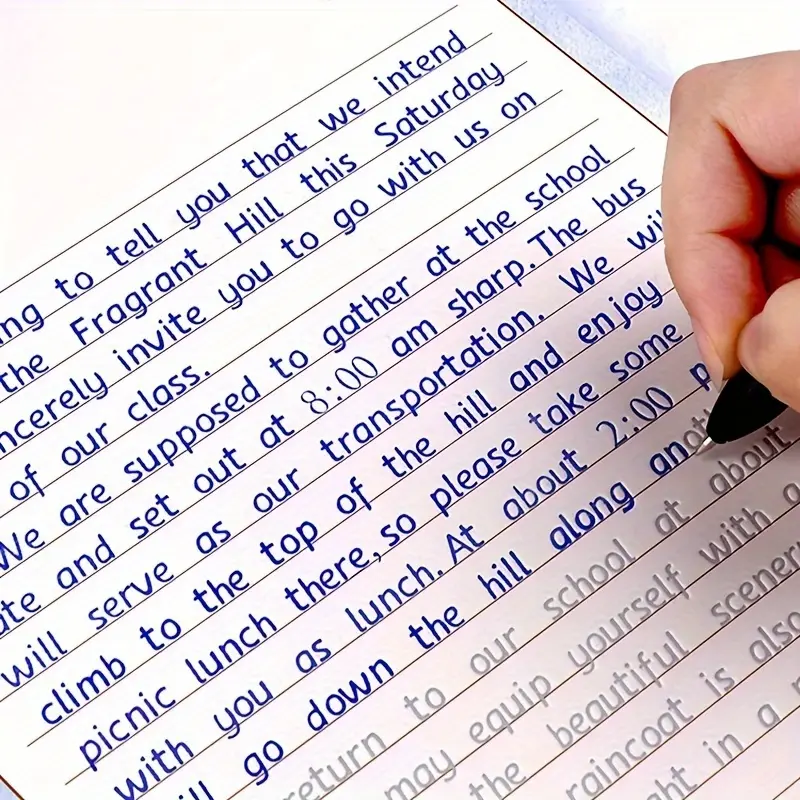
Regardless of the language, script switching is hard, especially when you learn to write from one language to the next. The physical and cognitive aspects of writing involve muscle memory, direction, and letter formation habits.
When someone learns one script first, which in this case is Urdu, switching to another language requires extra training for the hand. Writing in a different language requires changing the direction and whether the letters are joined or separated.
Learning a new script is similar to learning a new movement pattern. The brain has to adjust to writing in the opposite direction.
This challenge isn’t only common in Pakistan; many multilingual learners face similar issues. The difficulty isn’t because of laziness or a lack of intelligence; it’s simply a matter of habit and training. These are the reasons why script switching is hard for students who grew up writing in Urdu at a young age.
Small Ways Students Adapt
Generally speaking, students adjust gradually over time, where some improve by practicing English writing more often, choosing a consistent handwriting style, and writing slowly at first. While others simply develop a hybrid handwriting style that works for them.
Many students grow up believing that handwriting must look perfect. One helpful mindset is understanding that clarity matters more than perfection. Since writing in a language requires remembering the rules, aiming for a consistent writing pace.
A Reflection Many Pakistanis Share
Looking back, the struggle with English handwriting was never really about intelligence or effort. It was simply the result of growing up between two writing systems. Many Pakistani students learn to move from the flowing curves of Urdu to the structured letters of English. That transition takes time. Instead of seeing it as a weakness, it can be viewed as a unique learning experience, one that reflects the linguistic diversity of Pakistan. Our Urdu roots and English writing coexist, and the struggle simply reflects the experience of learning to write between two linguistic worlds.






















Responses (2)
Sign in to share your thoughts.
Sign in