
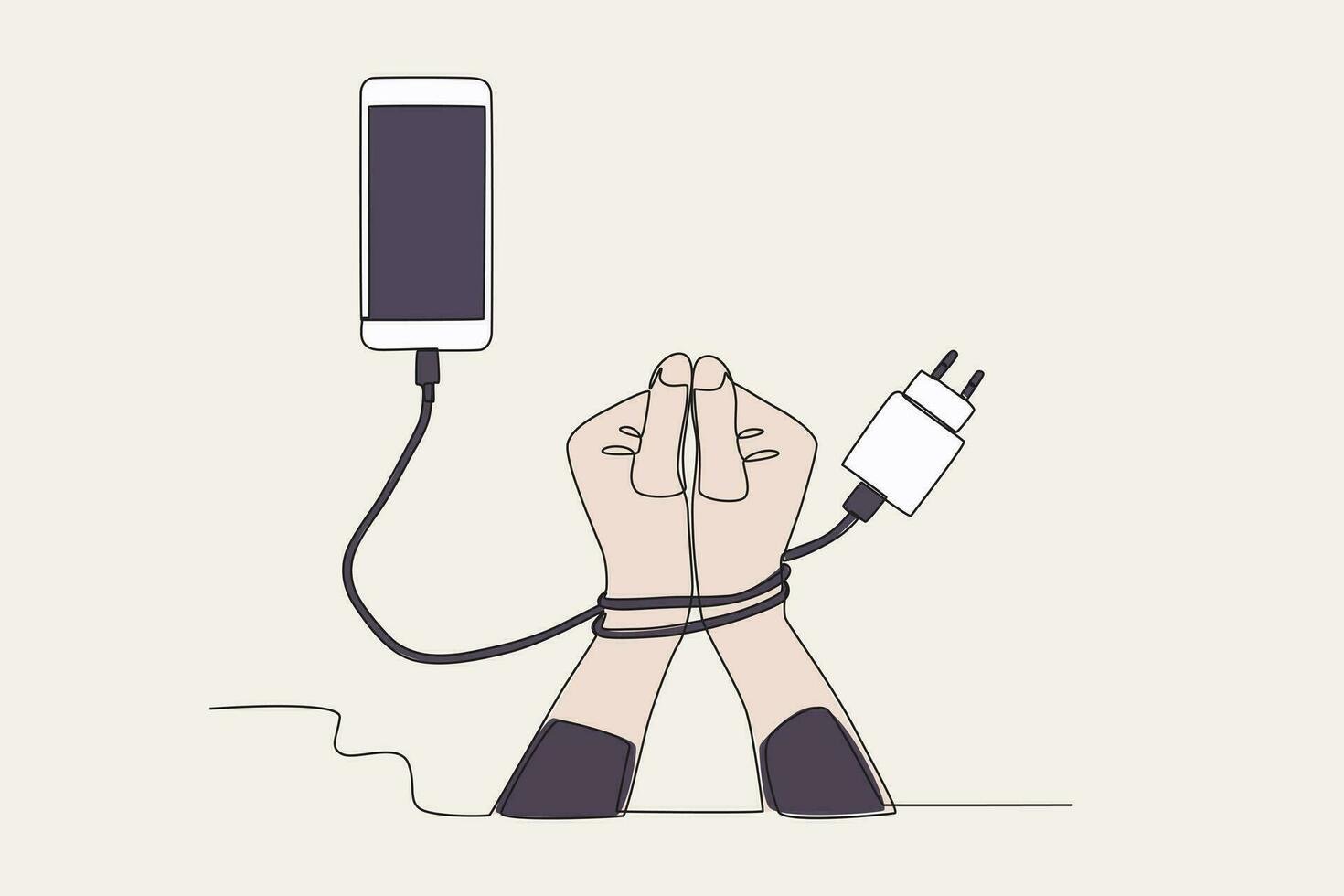
You cancel your plans, turn off your phone, and lie on your bed hoping to feel better. But somehow, even in the silence, something feels wrong. Your body is still, but your mind keeps running — scanning tasks, replaying conversations, worrying about things that haven’t even happened. You think you’re resting, but the exhaustion never goes away.
This is the silent burnout — a quiet, creeping kind of fatigue that doesn’t scream or collapse, but lingers. It drains you not through drama, but through dullness. There’s no breakdown, no big moment of realization — just a slow decline in your ability to feel joy, motivation, or meaning. It’s when the light inside you doesn’t shatter, it just dims.
Why Burnout Doesn’t Always Look Like Burnout
Most people associate burnout with high-stress environments, endless to-do lists, or crying at work. But for many, burnout doesn’t look like a crisis — it looks like numbness. You might be eating fine, sleeping fine, attending classes or work. But nothing feels fine inside.
This type of emotional fatigue often shows up in:
- Losing interest in things you used to enjoy
- Feeling detached from people, even close ones
- Struggling to concentrate or stay motivated
- Feeling guilty for being unproductive
- Sleeping too much or too little
- Constantly questioning your worth or purpose
Silent burnout is often missed because society rewards doing over being. If you’re still performing, people assume you’re okay. Even you might think you’re okay. But functioning isn’t the same as thriving. Existing isn't the same as living.
When Rest Isn't Really Rest
You might take a break, go offline, or cancel responsibilities hoping to “recover.” But rest is not just about stepping away from work — it’s about how you do it.
True rest:
- Nourishes your soul, not just your body
- Allows you to reconnect with yourself
- Brings peace, not just escape
- Respects your emotions instead of numbing them
Watching Netflix for six hours while worrying about your future is not rest. Sleeping for 12 hours but waking up exhausted is not rest. Saying “I’m fine” when your heart feels empty is not rest.
Rest must be intentional. It needs to be healing, not just pausing.
The Root of the Exhaustion
Silent burnout often stems from emotional neglect — not just from others, but from ourselves. Maybe you keep pushing because you don’t want to disappoint anyone. Maybe you're scared that slowing down means you’re weak. Maybe you’ve tied your worth so tightly to your productivity that the idea of doing “nothing” feels threatening.
But healing begins when we unlearn these lies:
- You are not lazy for needing rest.
- You are not selfish for putting yourself first.
- You are not weak for asking for help.
- You are not broken for feeling burnt out.
So many people suffer in silence because they feel they haven’t “earned” their burnout. They compare their struggles to others and think, “I don’t have it that bad, I should be grateful.” But pain is not a competition. Exhaustion is not a badge you must prove.
How to Begin Healing
Start small. Here are a few gentle ways to begin recovering from silent burnout:
- Name your exhaustion. Say it out loud or write it down. Acknowledge it as real. That’s the first step to healing.
- Redefine productivity. Rest is productive. Taking care of your mental health is productive. You don’t have to earn your right to pause.
- Reconnect with joy. Return to things that feel light and fulfilling. It might be painting, walking, dancing, or reading — anything that feeds your soul without a deadline.
- Set boundaries. Learn to say no. Protect your time and energy like your life depends on it — because it does.
- Talk about it. Share your experience with someone you trust. If you can, seek a therapist or counselor. You don’t have to carry the weight alone.
- Do nothing — and mean it. Schedule guilt-free nothingness. Sit with yourself, breathe, be. Let the world spin without you for a while.
You Deserve to Rest — Fully
Rest isn’t a reward for burnout. It’s a right. You don’t have to wait until you collapse to take care of yourself. The world may not slow down, but you can. And when you do, you might find something you’ve been missing: yourself.
So the next time you lie down and still feel tired, ask yourself: Am I truly resting, or just pausing my pain? Because you deserve more than survival. You deserve to feel alive.




















Responses (0)
Sign in to share your thoughts.
Sign in