
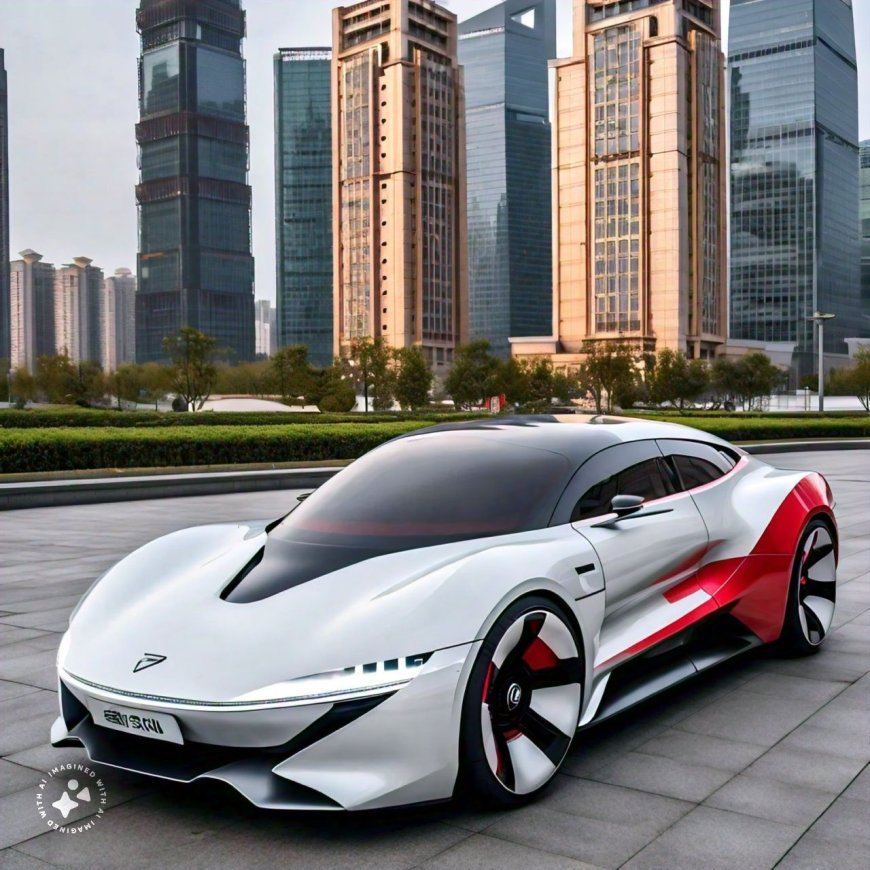
China and EU to hold talks on electric car tariffs
The risk of soaring Chinese electric car prices in the EU could be easing after both sides agreed to negotiate a planned series of import taxes.
Top officials from both regions spoke about the tariffs on a call on Saturday and agreed to discuss them further, though frictions remain.
The call marks the first time the two sides have agreed to negotiate since the EU threatened China with electric vehicle (EV) tariffs of up to 38%.
The EU said Chinese EVs were unfairly subsidised by its government. In response, China accused the EU of protectionism and trade rule breaches.
An EU spokesperson told the BBC the call between Trade Commissioner Valdis Dombrovskis and his Chinese counterpart Wang Wentao was “candid and constructive”.
They said the two sides would “continue to engage at all levels in the coming weeks”.
However, the spokesperson also doubled down on the EU’s opposition to how the Chinese EV industry is funded.
They said “any negotiated outcome” to the proposed tariffs must address the “injurious subsidisation” of Chinese EVs.
China released a similar statement on Saturday and made clear it still disagreed with the EU.
As well as its call with the EU, Mr Wang met German Vice-Chancellor and Federal Minister for Economic Affairs and Climate Action Robert Habeck on Saturday.
In a Facebook post about the meeting, China’s Ministry of Commerce said it had told Mr Habeck about its “firm opposition” to the tariffs.
It repeated its threat to file a lawsuit with the World Trade Organisation (WTO) “to firmly defend its legitimate rights and interests”.
Why the EU might be about to make Chinese electric cars more expensive
Germany has also expressed criticism of the tariffs.
When the EU first proposed them last week following its investigation of Chinese EVs in the trading bloc, Germany's Transport Minister, Volker Wissing, said the move risked a "trade war" with Beijing.
"The European Commission's punitive tariffs hit German companies and their top products," he wrote on X, formerly known as Twitter, at the time.
The European car industry has been critical too.
Stellantis - which owns Citroën, Peugeot, Vauxhall, Fiat, and several other brands - said it did not support measures that "contribute to the world fragmentation [of trade]".
The proposed charges range from 17.4% to 38.1%, depending on the brand and how much they negotiated with the EU's investigation.



















Responses (0)
Sign in to share your thoughts.
Sign in