
The Power of Digital Minimalism: Why Less Technology Can Lead to More Meaningful Life
Introduction
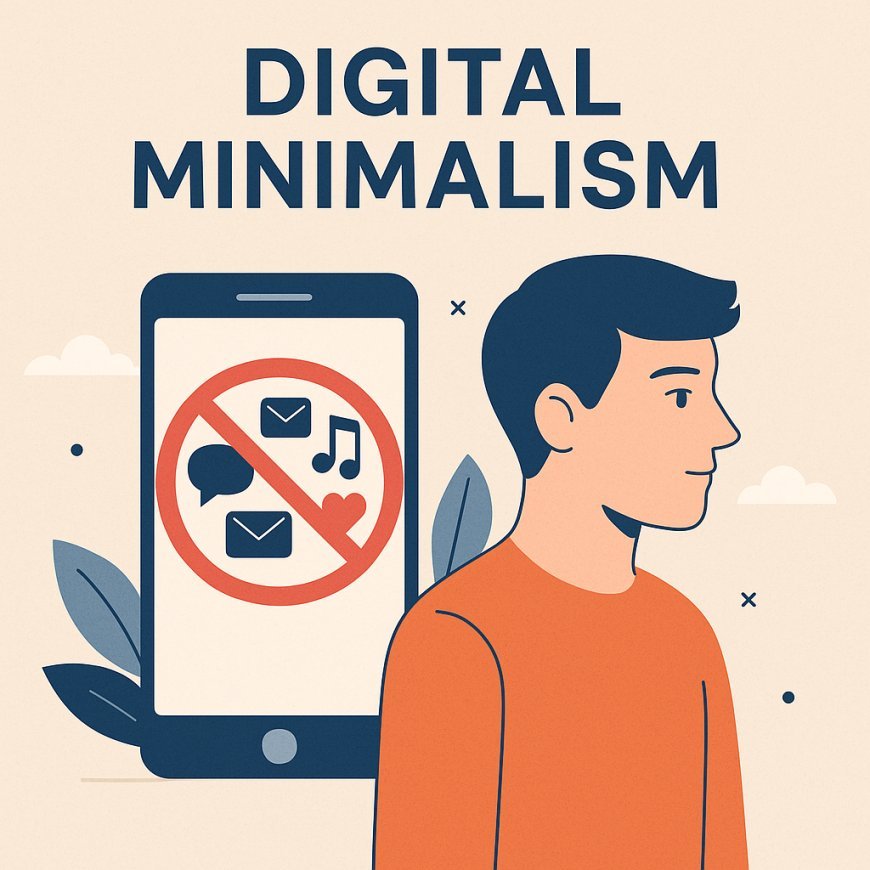
In today’s hyper-connected world, our lives are dominated by smartphones, social media, endless notifications, and constant distractions. While technology has made life more convenient, it has also silently taken control of our time, attention, and even our well-being. Amidst this digital chaos, a growing number of people are turning to digital minimalism—a philosophy that promotes using technology with intention and clarity.
This article explores the concept of digital minimalism, its benefits, how to practice it effectively, and why it's becoming a global movement among those seeking a more peaceful, purposeful, and productive life.
What is Digital Minimalism?
Digital minimalism is the practice of intentionally reducing your digital consumption to focus on what truly matters. Coined and popularized by author and computer science professor Cal Newport, this concept encourages individuals to declutter their digital lives just like they would with physical belongings in minimalism.
Unlike digital detoxes that are temporary, digital minimalism is a lifestyle change—a long-term commitment to using technology mindfully rather than mindlessly.
"Digital minimalism is not about abandoning technology but using it as a tool to enhance your values and goals." — Cal Newport
Why Is Digital Minimalism Gaining Popularity?
With rising levels of digital addiction, anxiety, depression, and attention disorders, more people are realizing that endless scrolling and screen time are robbing them of meaningful experiences. Here's why digital minimalism is gaining momentum:
- Mental clarity: Reducing screen time improves focus and reduces mental fatigue.
- Emotional well-being: Disconnecting from social media comparisons leads to better self-esteem.
- Productivity: Minimizing digital distractions helps people reclaim their time.
- Deeper relationships: Less screen time = more real-life conversations.
Digital minimalism is not anti-technology—it’s about building a better relationship with tech so it serves you, not controls you.
The Science Behind Digital Overload
Studies show that the average smartphone user taps, swipes, or clicks their phone over 2,617 times a day. Furthermore, the average screen time is 7+ hours per day. This addiction is no accident; social media platforms and apps are designed with dopamine-triggering features like likes, infinite scrolls, and notifications to keep users hooked.
Long-term exposure to such stimuli leads to:
- Reduced attention spans
- Poor sleep quality
- Increased anxiety and depression
- Decision fatigue
Digital minimalism offers a scientifically-backed remedy by restoring balance.
Signs You Might Need Digital Minimalism
- You feel anxious when you don’t have your phone.
- You check your phone within 5 minutes of waking up.
- You find it hard to concentrate without checking notifications.
- You feel burnt out after spending time online.
- You often feel unproductive despite being “busy.”
If you nodded “yes” to any of these, digital minimalism could change your life.
How to Start Practicing Digital Minimalism
Here’s a step-by-step guide to embrace digital minimalism:
1. Digital Declutter (30-Day Challenge)
Start with a 30-day digital declutter. Remove or stop using non-essential apps, social media, and digital entertainment. Only use digital tools that are essential for work or critical communication.
2. Define Your Technology Values
Ask yourself:
- What truly adds value to my life?
- Which digital tools help me grow, learn, or connect?
- Which apps waste my time or drain my energy?
3. Set Clear Boundaries
- No screens 1 hour before bed.
- Schedule screen-free weekends.
- Set daily time limits for social media.
4. Replace Screen Time with Real-Life Activities
- Read physical books.
- Go for a nature walk.
- Start journaling.
- Reconnect with friends face-to-face.
5. Clean Up Your Digital Space
- Unsubscribe from unnecessary emails.
- Delete unused apps.
- Organize files and folders.
- Turn off non-essential notifications.
6. Be Intentional With Reintroduction
After the 30-day reset, only reintroduce apps or tools that align with your values and goals.
Benefits of Digital Minimalism
Embracing digital minimalism comes with powerful rewards:
✅ Enhanced Focus and Productivity
Less distraction means more deep work. You complete tasks faster and better.
✅ Better Mental Health
Reduces anxiety, depression, and stress levels caused by constant comparisons and information overload.
✅ Improved Sleep
Avoiding screens before bed helps regulate your circadian rhythm and leads to restful sleep.
✅ Richer Real-Life Relationships
When you’re not glued to your screen, you connect more deeply with people around you.
✅ Greater Sense of Control
You become the master of your time and attention—not your phone.
Digital Minimalism in the Workplace
Companies are starting to realize that digital overload reduces employee performance. Adopting digital minimalism at work can:
- Eliminate unnecessary meetings.
- Promote asynchronous communication.
- Encourage focused work hours with “deep work” time blocks.
Leaders who model digital minimalism often report higher team morale and better results.
Digital Minimalism for Parents & Kids
Children today are growing up in a digital-first world. Screen addiction in kids can lead to poor academic performance, reduced creativity, and social difficulties.
Here’s how parents can model and teach digital minimalism:
- Set screen-free zones (like the dining table).
- Encourage outdoor activities.
- Use tech together (co-viewing and co-playing).
- Talk about the purpose of technology and how to use it wisely.
Tools That Support Digital Minimalism
Ironically, technology can help you reduce your digital dependence. Here are some helpful tools:
- Forest App: Stay focused by planting virtual trees as you avoid your phone.
- Freedom App: Block distracting websites and apps.
- Day One Journal: Replace digital clutter with meaningful journaling.
- Kindle Paperwhite: Read books without distractions.
- Screen Time/Focus Mode (iOS/Android): Limit app usage automatically.
Digital Minimalism vs. Digital Detox
While often confused, these are not the same.
Aspect Digital Detox Digital Minimalism Duration Temporary (a few days/weeks) Long-term lifestyle Goal Take a break from tech Use tech intentionally Mindset Avoidance Alignment with values Result Short-term relief Sustainable life improvementReal Stories: How Digital Minimalism Changed Lives
Anna, 32, Software Engineer:
"After applying digital minimalism, I cut my screen time from 8 hours to 2 hours daily. I now sleep better, feel calmer, and spend more time with my kids."
Rahul, 28, Freelancer:
"I used to check Instagram every 10 minutes. Now, I only use it once a week for networking. My productivity has doubled."
These stories are not rare—people worldwide are experiencing transformative life changes through this simple shift.
The Future of Digital Minimalism
As awareness grows, digital minimalism is becoming mainstream. Even big tech companies are now integrating “well-being” features into their products. Schools are encouraging digital balance. Employers are promoting focus hours.
Digital minimalism is no longer a trend—it’s a movement.
Final Thoughts
In a world that constantly tells you to do more, be more, and consume more, digital minimalism is a quiet rebellion that says:
“Do less. But do it better.”
It’s about reclaiming your time, your attention, and your peace of mind. Whether you're a student, a parent, a professional, or a retiree, practicing digital minimalism can help you live a more intentional, focused, and fulfilled life.


Discussion (0)