
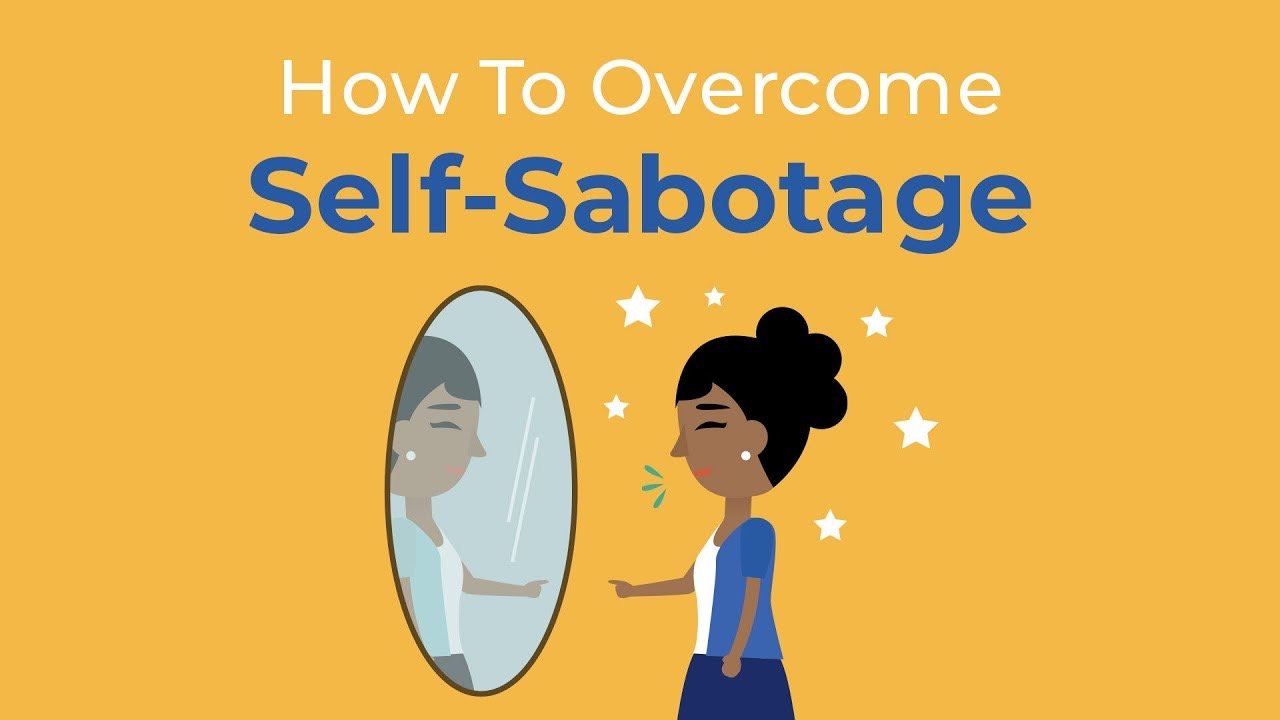
You finally get the job you wanted. Your relationship is healthy. Your life feels stable.
And then… you start missing deadlines, picking unnecessary fights, or avoiding opportunities. It’s almost as if some part of you wants to mess it up.
This frustrating, often confusing pattern is called self-sabotage — and it’s more common than you think.
What Is Self-Sabotage?
Self-sabotage is when your actions (or lack of action) block your own success, even if it’s something you truly want. It’s not about being lazy or ungrateful — it’s about hidden fears and beliefs that pull you back to what feels familiar.
The Hidden Reasons We Do It
1. Fear of Failure
When you’re doing well, the stakes feel higher. If you fail after achieving something, it can feel more humiliating — so your brain thinks, Better to ruin it myself before it ruins me.
2. Fear of Success
It sounds strange, but success often comes with new expectations, responsibilities, and visibility. If deep down you doubt your ability to handle that, you might unconsciously try to escape it.
3. Low Self-Worth
If you don’t believe you deserve good things, your mind will look for ways to “prove” that belief right — even if it means destroying something positive.
4. Comfort in Chaos
For some, calm and stability feel foreign. If you’ve lived most of your life in stress or uncertainty, peace can feel uncomfortable — and you might subconsciously create drama to feel “normal” again.
5. Lack of Identity Without Struggle
If you’ve built your self-image around overcoming hardship, success can feel like losing a part of who you are. You might cling to struggle because it feels familiar.
How Self-Sabotage Shows Up
- Procrastinating on important tasks
- Picking unnecessary fights in relationships
- Overindulging in unhealthy coping habits
- Avoiding opportunities out of fear
- Breaking routines that were helping you thrive
How to Stop the Cycle
1. Catch It Early
Self-sabotage often starts small. Notice patterns: Do you lose momentum every time things start going well? Do you feel restless in stability?
2. Challenge the Fear
Ask yourself: What am I afraid might happen if I keep succeeding? Writing the answer down can take away some of its power.
3. Rewire Your Self-Worth
Work on believing you deserve good things — not only when you “earn” them through struggle, but simply because you are human.
4. Make Success Less Overwhelming
If success feels too big to handle, break it into smaller, manageable steps. This keeps your nervous system from going into panic mode.
5. Build a New Comfort Zone
If calm feels unsettling, spend more time in it. The more you practice being in stability, the more your brain will accept it as safe.
A Truth to Hold On To
Self-sabotage isn’t proof that you’re broken — it’s proof that your mind is trying to protect you, even if it’s using outdated strategies. The goal isn’t to hate yourself for it, but to understand it, so you can choose a different path.





















Responses (0)
Sign in to share your thoughts.
Sign in