
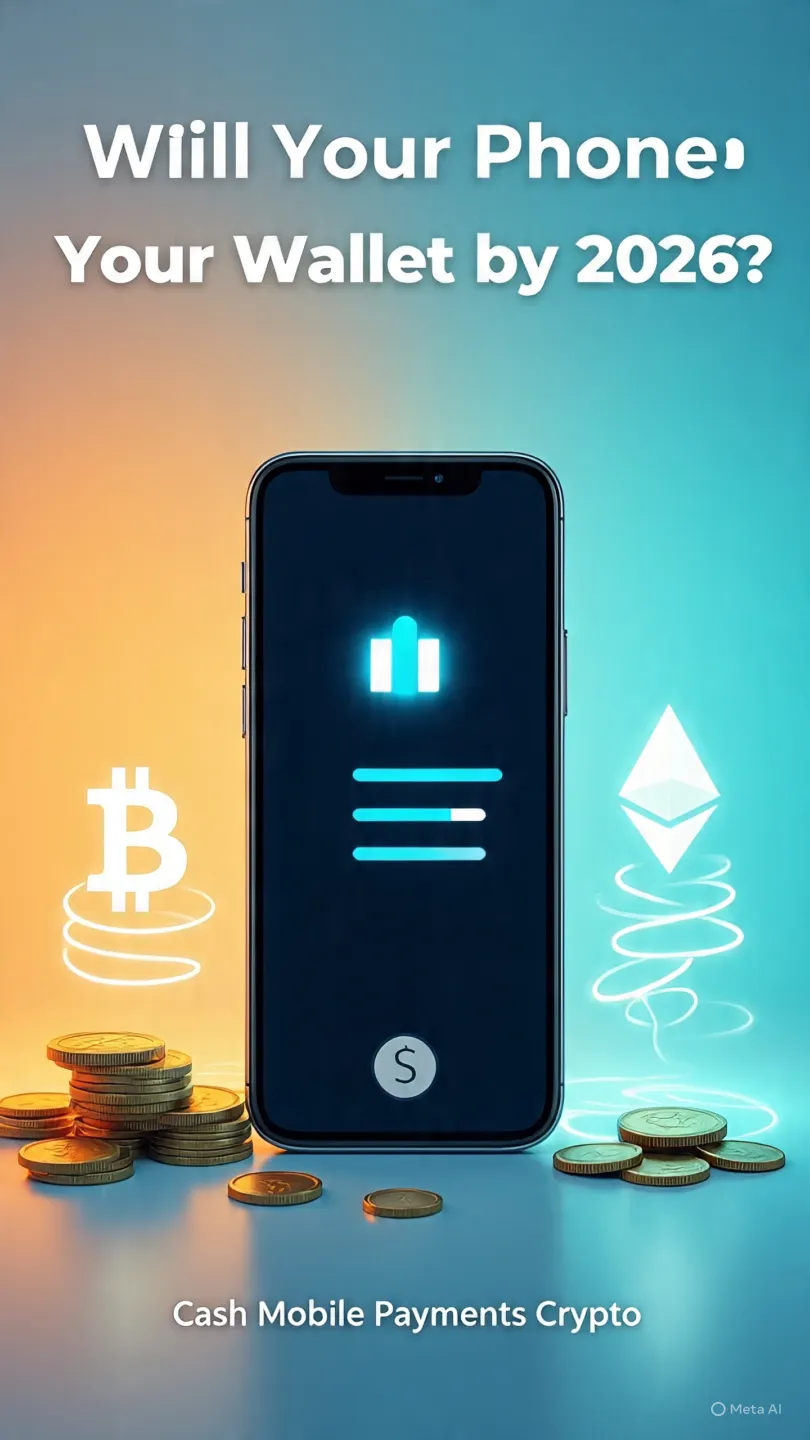
Ten years ago, most people could not imagine buying coffee without paper money or coins. Now in 2026, you can walk into a shop, tap your phone, and walk out in five seconds. This raises a real question for everyone. Will physical wallets disappear completely? Between cash, mobile payment apps, and crypto, what actually makes sense for your daily life?
Let us keep it simple. No technical jargon.
1. Cash: The Oldest Tool We Still Trust
You may think cash is outdated, but it is still the most accepted form of payment on the planet. Street vendors, taxis, small markets, and donation boxes all prefer it.
Why people still use cash: Your phone battery can die. The internet can stop working. But cash works every single time. It is also fully private. No bank or company tracks that you bought a snack for 2 dollars.
The problem with cash: If you lose it, it is gone. If it gets damaged, stores may not accept it. You also need to visit an ATM and sometimes pay fees to withdraw. In 2026, people still keep cash for one main reason. They trust something they can touch.
2. Mobile Payments: The New Normal
Apple Pay, Google Pay, and other local apps have changed how we pay.By 2026, nearly every big city store will have a QR code or a contactless reader.
Why mobile payments are winning: You can send 1 dollar or 1,000 dollars instantly. It works at midnight on a holiday. You do not need to carry cards or remember long account numbers. Just your phone or a fingerprint is enough. For daily spending, this is now the fastest option for millions of people.
The problem with mobile payments: When the network is down, you are stuck. If your phone is lost or stolen, your stress doubles. Also, every payment is recorded. Banks and governments can see where you spent money. Privacy is lower than cash.
Even parents and grandparents use mobile payments now. That shows how normal it has become.
3. Crypto: The Newest Option on the Table
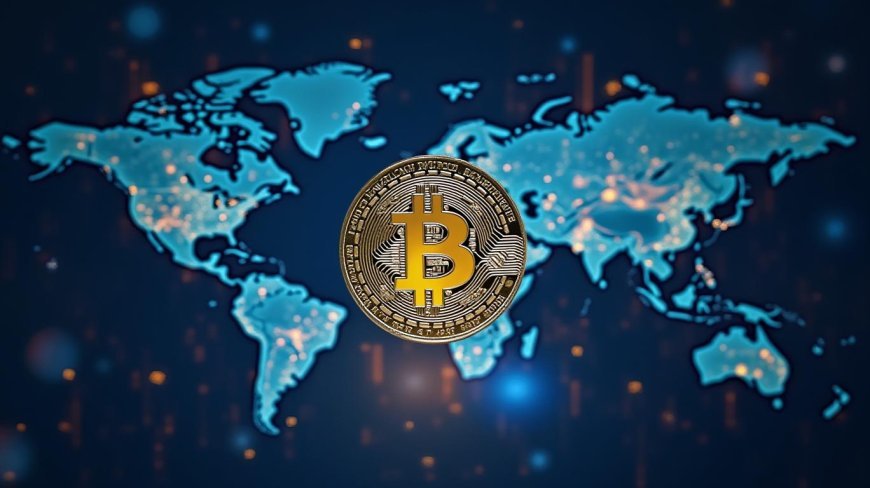
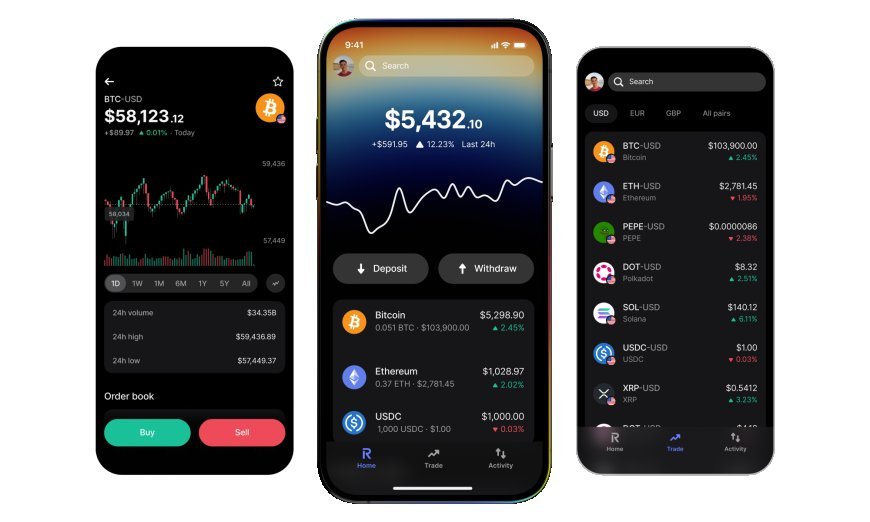
You have likely heard of Bitcoin, USDT, and Ethereum. This is the next step after mobile wallets.
 Why crypto is getting attention: There are no banks in the middle. You can send money from one country to another in under 10 minutes. No weekends. No banking hours. No one can block your account without a legal reason.
Why crypto is not for daily use yet: The price changes a lot. You buy lunch for 15 dollars in crypto today. Tomorrow, that same amount of crypto could be worth 12 or 18 dollars. Because of this, most people do not use it to buy groceries. Right now it works more like digital gold. Now this digital gold plan works. It is a storage price, but it is not strong enough for daily expenses.
In 2026, some online stores and cafes in major cities accept crypto. But the driver will ask for cash or card.
So Who Wins in 2026 for Everyday Use?
For What The Best Option in 2026
Small spends like coffee and snacks Mobile payments. They are quick, popular, and simple.Large expenses such as rent or" car" "Bank transfer" or debit card. People still trust banks for big amounts
Sending money to another country Crypto or remittance services. Crypto is faster, banks are slower but stable
You want full privacy Cash first. Crypto second. Mobile payments last
The simple truth: No single option will win. The financial system in 2026 is like a complete meal. You would not eat only bread. You would not eat only vegetables. A full plate has bread, vegetables, and some sauce for taste.
Cash = Bread: It is the base. Even time is far away.
Mobile Payments = Vegetables: You need them every day. They are practical and healthy for your routine.
Crypto = Sauce: It is new and strong. Not everyone needs it, but for some people the meal feels incomplete without it.
What Should You Do Right Now?
1. Set up a mobile payment app on your phone for 90% of daily spends. It saves time.
2. Keep some cash in your wallet for emergencies, tips, and small shops.
3. First, learn the basics of crypto so you can save some money in the future.. But do not use it for daily shopping yet.
The future of money will not be just one option. It will be a mixture of all of these. The real question is whether you can use all three when it matters.”.The better question is if you know how to use all three when required.”. The person who understands cash, mobile payments, and crypto together will have fewer money problems in 2026.
So what do you use most right now? Is it cash, your phone, or have you started exploring crypto?












Responses (0)
Sign in to share your thoughts.
Sign in