

10 Eating Habits to Adopt for Peak Sports Performance
Introduction
Nutrition is a fundamental pillar of athletic performance. More than just fuel, what you put on your plate directly affects your energy levels, recovery, focus, and even your mood.
Whether you’re an amateur athlete, a competitor, or simply looking to get the most out of your workouts, adopting good eating habits can be the difference between stagnation and steady progress. In this article, we’ll dive into 10 essential nutrition habits to integrate into your lifestyle to boost your performance, prevent injury, and improve your overall well-being.
1. Build Balanced Meals
Balanced meals are the foundation of progress. A proper meal supports energy needs, muscle repair, hormonal balance, and effective recovery.
How to build a balanced plate:
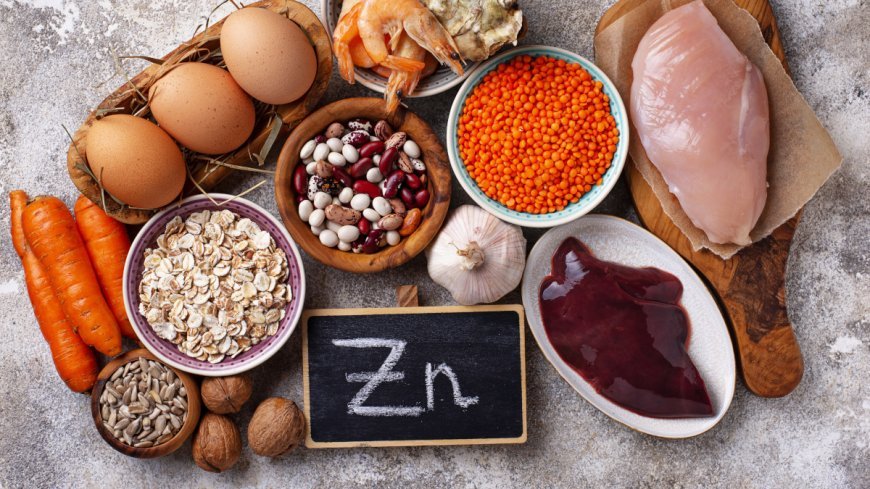
- Complex carbohydrates: brown rice, quinoa, sweet potatoes, oats, legumes.
- Lean proteins: chicken breast, eggs, fish, tofu, Greek yogurt.
- Healthy fats: avocado, olive oil, nuts, chia seeds.
- Micronutrients & fiber: leafy greens, carrots, broccoli, fresh fruits.
2. Hydration: A Vital Reflex
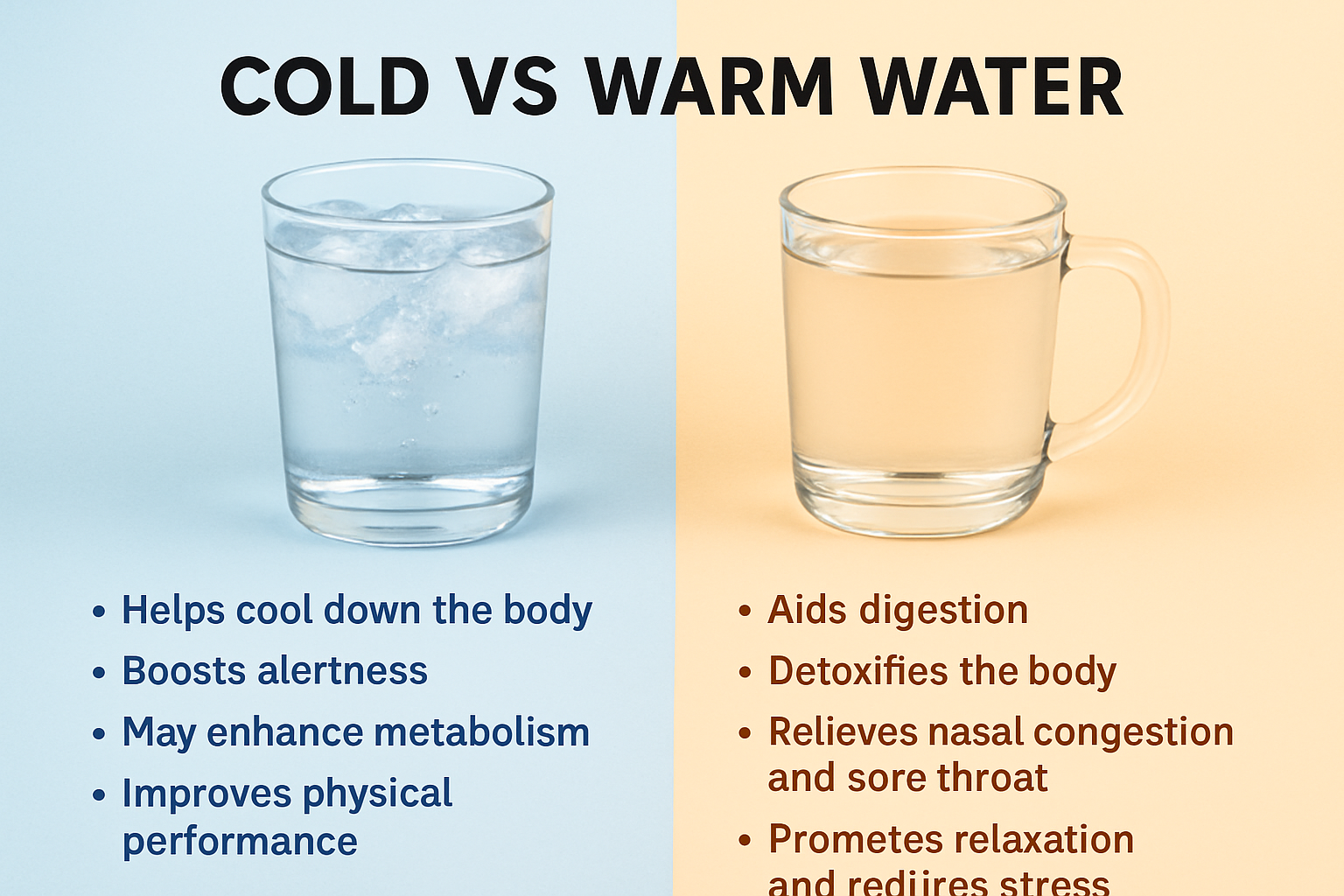
Even mild dehydration can reduce performance by 10 to 20%. It impairs focus, slows muscle response, and increases the risk of injury.
Tips:
- Drink 1.5 to 2.5 liters of water per day.
- Stay hydrated before, during, and after workouts.
- Use electrolytes for intense sweat loss.
3. Time Your Nutrition Around Workouts
Pre- and post-training meals greatly impact performance and recovery.
Pre-workout (1.5–2 hours before):
- Banana, porridge, whole-grain bread with almond butter.
Post-workout (30–60 minutes after):
- Protein smoothie, eggs + sweet potatoes, Greek yogurt + berries.
4. Prioritize High-Quality Protein
Protein is essential for muscle repair and growth.
Daily needs:
- Endurance athletes: 1.2–1.6 g/kg
- Strength athletes: up to 2.2 g/kg
Sources:
- Animal: eggs, chicken, fish, dairy.
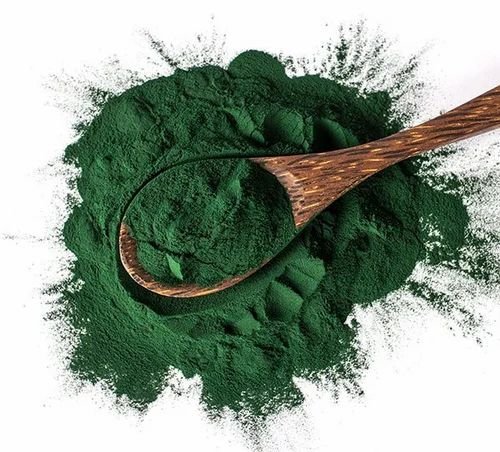
- Plant: lentils, soy, quinoa, spirulina.
5. Eat More Fruits and Vegetables
They’re packed with antioxidants, vitamins, and minerals essential for reducing inflammation and boosting recovery.
Target: At least 5 servings per day, ideally 7–10.
6. Cut Back on Ultra-Processed Foods
These foods spike blood sugar, cause inflammation, and impair recovery.
Avoid:
- Fast food
- Sugary drinks
- Packaged snacks and sweets
7. Eat Mindfully
Mindful eating improves digestion and appetite regulation.
Habits:
- Chew slowly
- Eat without screens
- Focus on flavors
8. Keep Regular Mealtimes
Consistent meal timing helps regulate energy and hormones.
Tips:
- Eat 3 main meals + 1–2 snacks daily
- Avoid skipping breakfast
9. Include Smart Snacks
Well-chosen snacks can sustain energy and muscle mass.
Ideas:
- Fruit + nuts, Greek yogurt + oats, homemade protein bars
10. Adjust Your Diet to Your Activity Level
Match your food intake to your training intensity.
Examples:
- Rest day: more veggies and protein, fewer carbs
- Training day: balanced meals and smart snacks
- Intense day: more carbs and hydration
Conclusion
Nutrition is a powerful strategy to enhance athletic performance. By integrating these 10 habits, athletes can imp
rove recovery, increase energy, and achieve long-term success.















Responses (0)
Sign in to share your thoughts.
Sign in