

Feeling dizzy, tired, or noticing hair loss? These can be early warning signs of iron deficiency, one of the most common nutritional problems worldwide. According to Dr. Pal, improving your diet with natural iron foods is the smartest way to boost your health—and he even shares a delicious recipe that helps raise **iron levels naturally.
What is Iron Deficiency?
Hemoglobin, which is the protein responsible for transporting oxygen in your blood, requires iron to be created. Without enough iron, you may develop iron deficiency anemia, a condition that causes fatigue, dizziness, pale skin, and even hair loss due to anemia. Many people ignore these early symptoms, but paying attention can prevent long-term health issues.
Typical Signs of Iron Deficiency

If low iron is an issue for you, you may observe:
Unusual tiredness and weakness
Feeling lightheaded or dizzy
Brittle nails and pale skin
Cold hands and feet
Shortness of breath
Thinning or falling hair
Doctors recommend a blood test to confirm iron deficiency symptoms before starting supplements.
Dr. Pal’s Delicious Iron-Rich Smoothie
Instead of jumping to supplements, Dr. Pal suggests adding more iron-rich foods into your meals. One of his favorite natural remedies is a spinach and jaggery smoothie, which is both healthy and tasty.
Ingredients:
A handful of fresh spinach (packed with plant-based iron)
1–2 tablespoons of jaggery (known for its iron benefits)
A portion of a banana (providing energy and a smooth consistency)
1 cup of your preferred water or milk
Method:
1. Wash spinach leaves thoroughly.
2. Mix spinach, banana, and jaggery using either water or milk.
3. Enjoy fresh as a morning boost or evening snack.
This smoothie combines spinach (iron) with jaggery benefits, plus banana for energy. Vitamin C in spinach also helps your body absorb iron better.
Other Iron-Rich Foods to Boost Levels
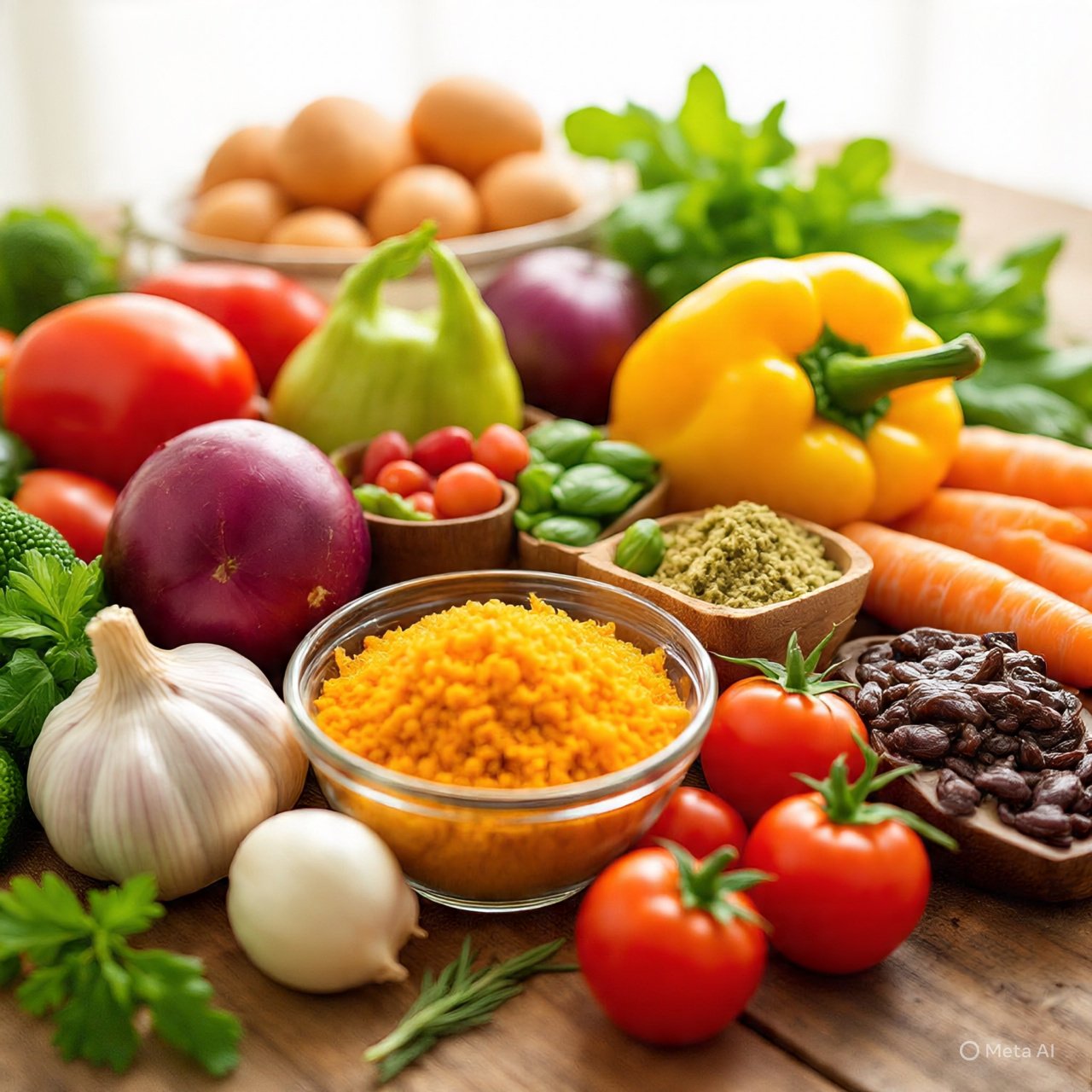
To fight iron deficiency anemia, add these foods to your diet:
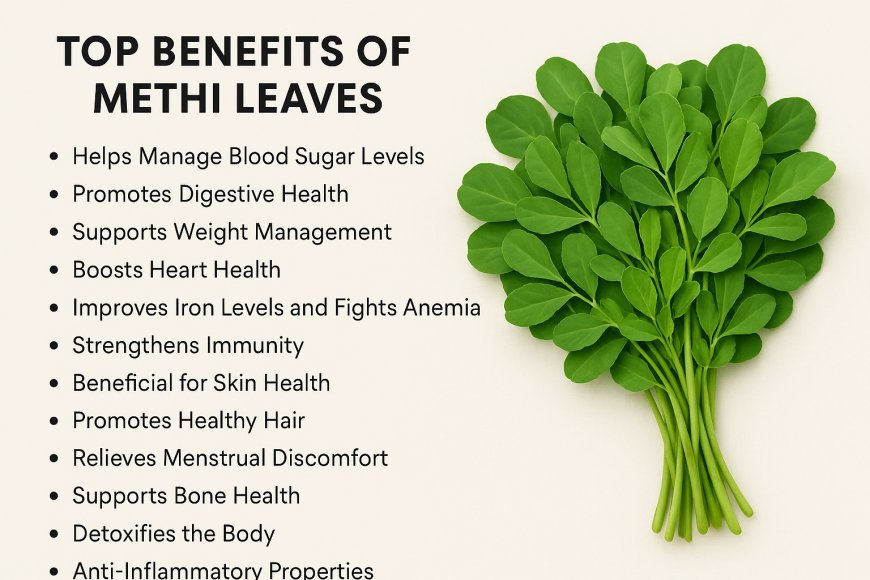
Leafy greens: spinach, kale, fenugreek
Legumes: chickpeas, kidney beans, lentils
Nuts and seeds: pumpkin seeds, almonds, cashews
Animal sources: chicken, red meat, fish
Dried fruits: raisins, dates, apricots
Pairing these with vitamin C-rich foods like oranges, lemon, or tomatoes enhances iron absorption naturally.
Conclusion
Dizziness and hair loss are not just minor problems—they may be signs of iron deficiency. Dr. Pal recommends focusing on a diet rich in natural iron sources instead of depending only on supplements. By enjoying recipes like the spinach and jaggery smoothie and including other iron deficiency foods, you can naturally boost your energy, strengthen your hair, and prevent anemia.
FAQ
Q1: Can iron deficiency cause severe hair loss?
Indeed, when iron levels are low, the amount of oxygen reaching hair follicles decreases. This often results in thinning hair and increased hair loss.
Q2: How long does it take to recover from iron deficiency anemia?
With proper diet and supplements (if prescribed), many people notice improvements within 2–3 months.
Q3: Can too much iron be harmful?
Yes. Excess iron can cause digestive issues and organ problems. Always consult a doctor before taking supplements.
Q4: Are vegetarian foods enough for iron intake?
Yes. Vegetarians can meet their iron needs with legumes, leafy greens, fortified cereals, and vitamin C-rich foods to improve absorption.
Q5: Should I take iron tablets without a test?
No. Always get a blood test and doctor’s advice before starting iron supplements.
References
1. National Institutes of Health – Iron: Fact Sheet for Consumers
2. World Health Organization (WHO) – Micronutrient Deficiencies: Ir
on Deficiency Anemia
3. Mayo Clinic – Iron Deficiency Anemia: Symptoms and Causes














Responses (0)
Sign in to share your thoughts.
Sign in