
Introduction:
Your immune system is your body's natural defense against illness, viruses, and infections. In today's fast-paced world, maintaining a strong immune system is more important than ever. One of the most effective and natural ways to boost your immune system is through a healthy, balanced diet rich in superfoods. These nutrient-dense foods provide your body with essential vitamins, minerals, and antioxidants to help fight off sickness and keep you feeling your best. In this article, we’ll explore 10 powerful superfoods that can naturally enhance your immune health.
1 Citrus Fruits
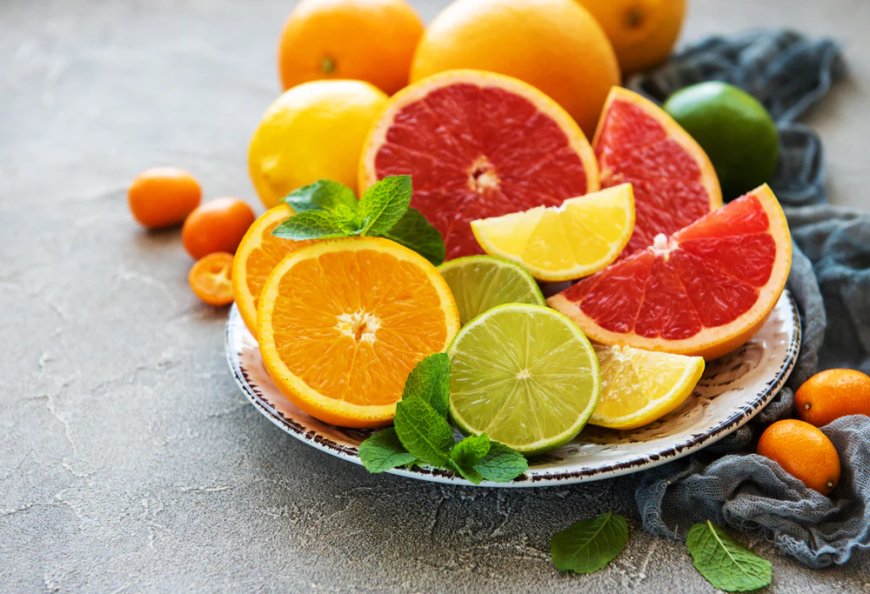
Citrus fruits like oranges, lemons, grapefruits, limes, and tangerines are rich in vitamin C, a nutrient known for increasing the production of white blood cells. White blood cells play a crucial role in fighting infections. Since your body doesn’t store vitamin C, regular consumption of citrus fruits is necessary to maintain strong immunity.
Examples: Oranges, lemons, grapefruits, and mandarins
- Boosts white blood cell production
-
Acts as a powerful antioxidant
3. Helps reduce inflammation
2. Garlic
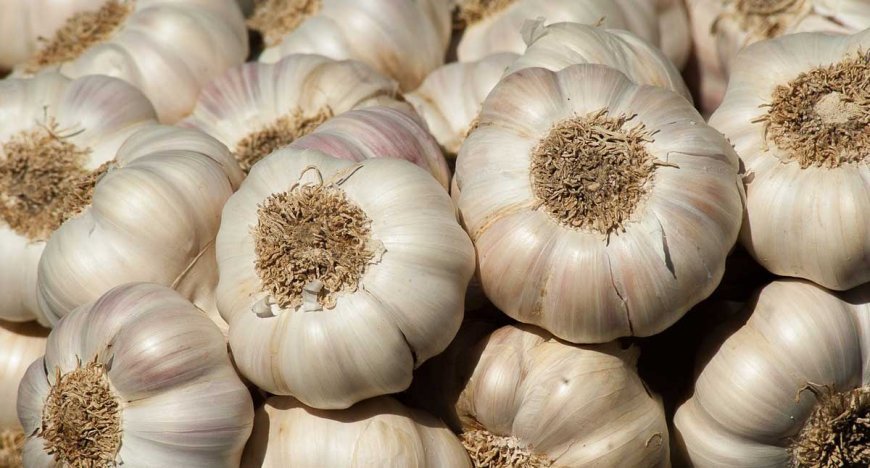
Garlic has been used for centuries for its medicinal properties. It contains allicin, a sulfur-containing compound that gives garlic its strong smell and immune-boosting abilities. Allicin helps enhance the body’s response to illness and can even reduce the severity of common colds.
Benefits:
-
Fights infections naturally
-
Lowers blood pressure
-
Strengthens the immune response
3. Ginger
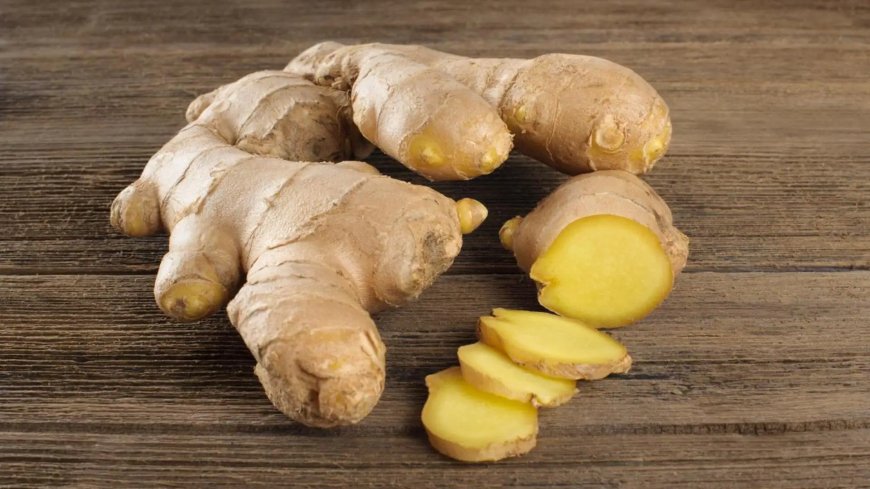
Ginger is another superfood packed with anti-inflammatory and antioxidant properties. It’s widely known for relieving sore throats, reducing inflammation, and combating nausea. Ginger also contains compounds like gingerol that enhance immune response.
Benefits:
-
Reduces chronic inflammation
-
Helps fight cold and flu symptoms
-
Aids digestion and gut health
4. Spinach
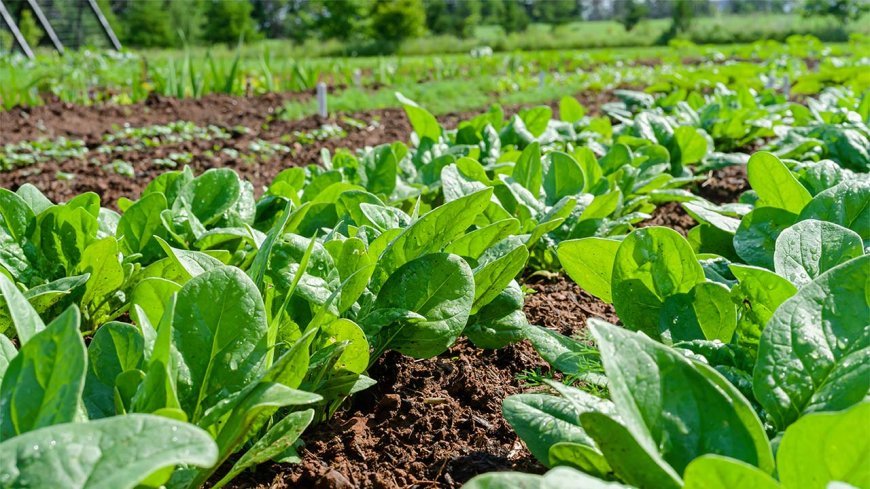
Spinach is not only rich in vitamin C but also packed with antioxidants and beta carotene. These nutrients help increase the infection-fighting ability of the immune system. Light cooking enhances its vitamin A levels and releases other nutrients for better absorption.
Benefits:
-
High in vitamin C, A, and iron
-
Supports immune cell function
-
Improves skin and eye health
5. Yogurt
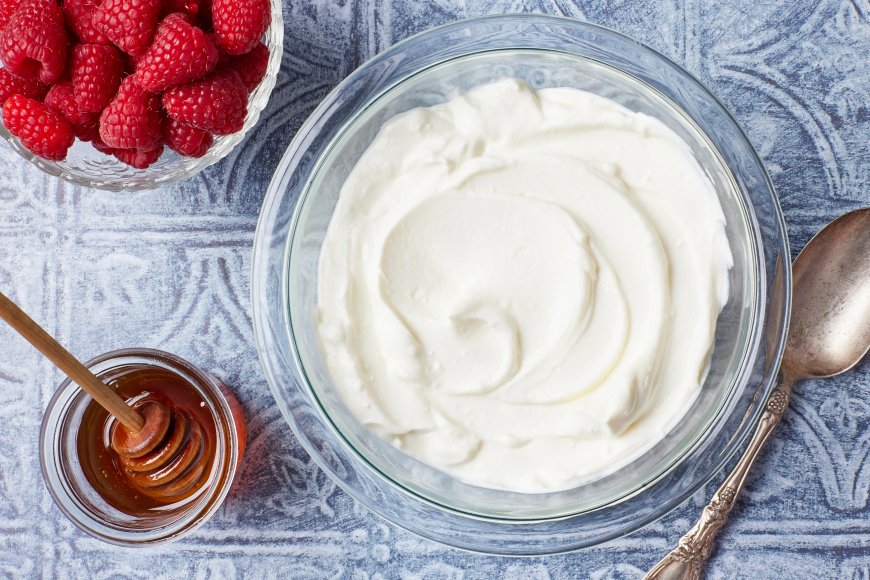
Probiotic-rich yogurt is essential for gut health, which is closely tied to immunity. Yogurt contains live cultures that help balance the gut microbiome. A healthy gut means better digestion, nutrient absorption, and stronger immunity.
Tips: Choose plain yogurts with "live and active cultures" and avoid flavored ones high in sugar.
Benefits:
-
Promotes gut-friendly bacteria
-
Enhances the immune system
-
Good source of vitamin D
6. Almonds
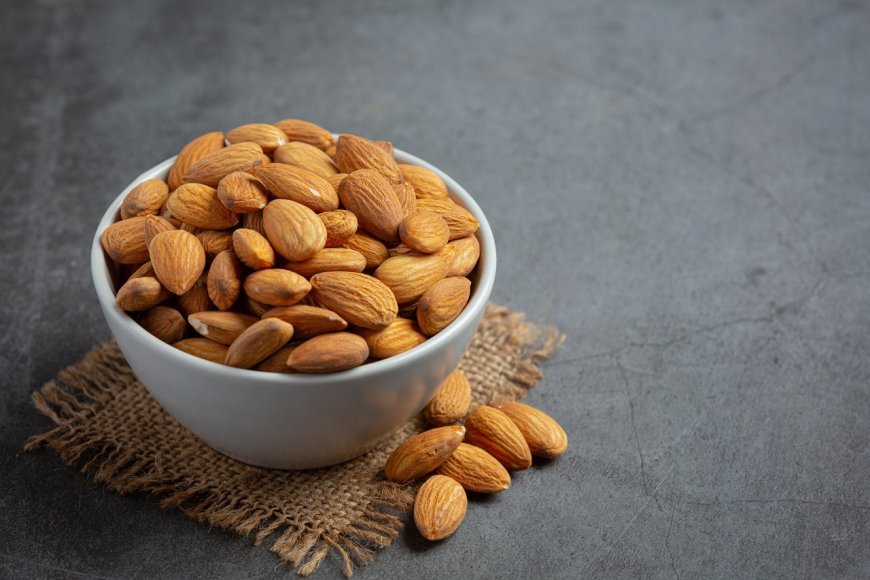
Almonds are rich in vitamin E, a fat-soluble antioxidant that plays a key role in maintaining immune function. Just a handful of almonds can provide a large portion of your daily recommended intake.
Benefits:
-
High in healthy fats and antioxidants
-
Supports immune response
-
Promotes skin health
7. Turmeric
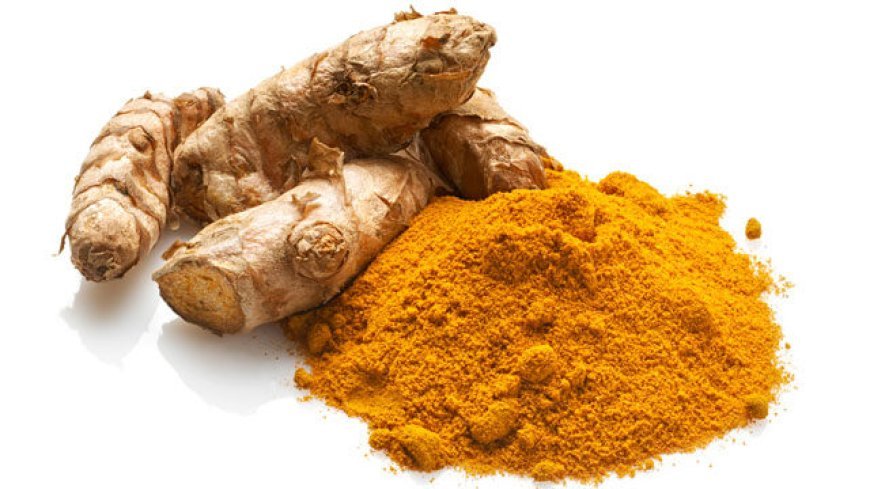
This bright yellow spice contains curcumin, a compound with powerful anti-inflammatory and antioxidant properties. Turmeric helps modulate the immune system and can even help in managing autoimmune diseases.
Benefits:
-
Fights inflammation and oxidative stress
-
Supports immune modulation
-
Enhances antibody response
8. Green Tea
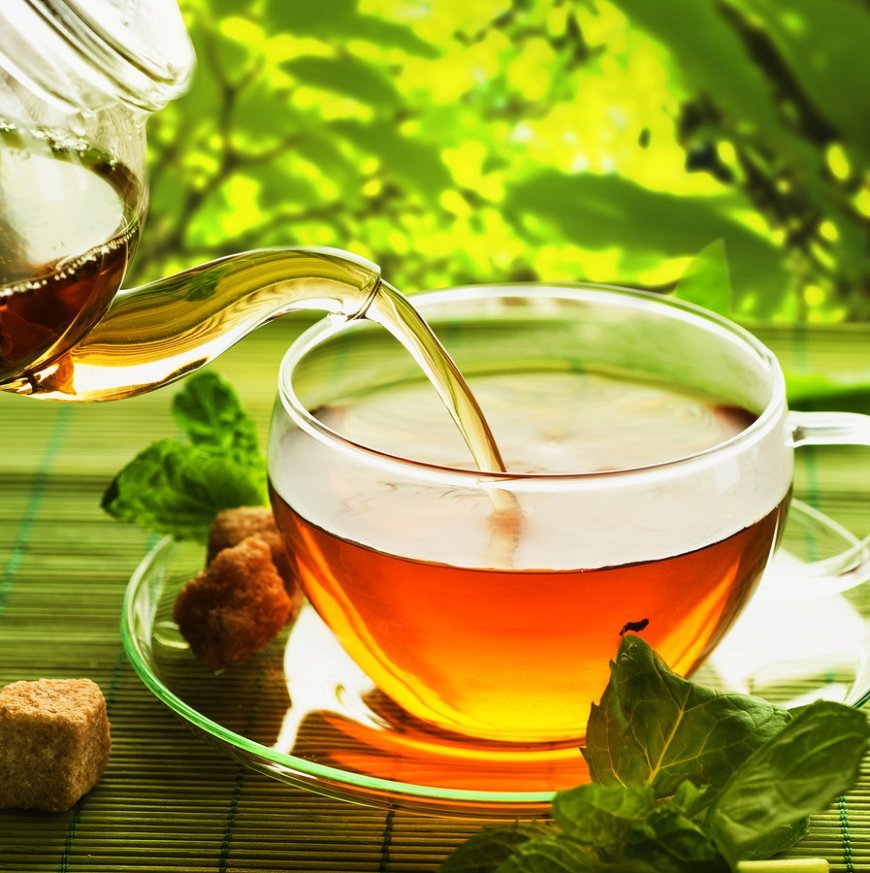
Green tea is packed with flavonoids and epigallocatechin gallate (EGCG), both of which are powerful antioxidants. It also contains the amino acid L-theanine, which may aid in the production of germ-fighting compounds.
Benefits:
-
Contains immune-boosting antioxidants
-
Helps detox the body
-
Supports brain and heart health
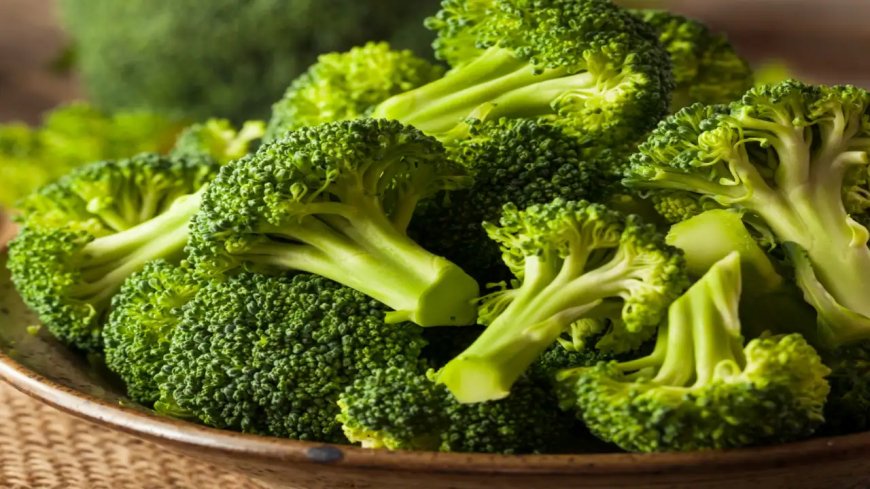
9. Broccoli
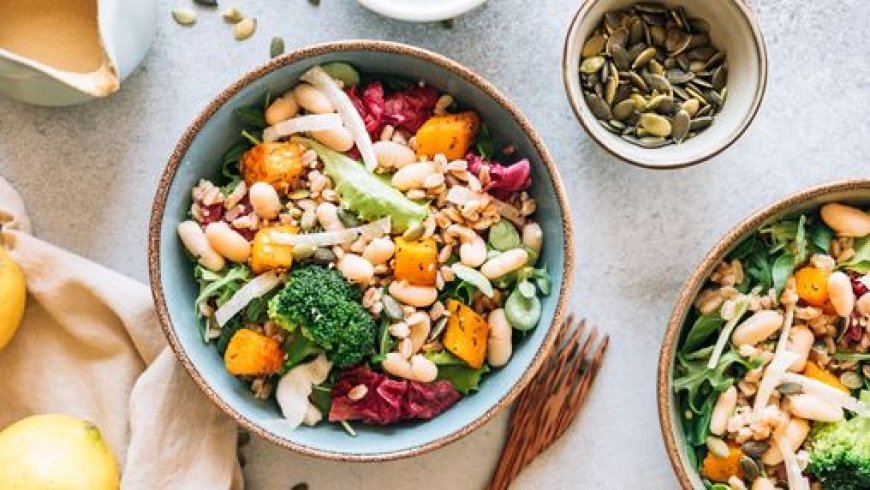
Broccoli is a supercharged vegetable loaded with vitamins A, C, and E, as well as fiber and antioxidants. It’s one of the healthiest vegetables you can eat regularly. Steaming it is the best way to retain its nutrients.
Benefits:
-
Rich in essential vitamins and minerals
-
Detoxifies the body
-
Strengthens immune defense
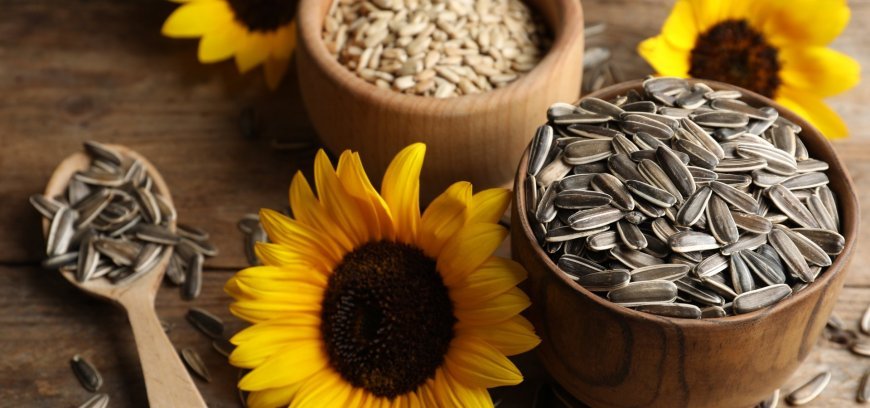
10. Sunflower Seeds
Sunflower seeds are full of nutrients, including phosphorus, magnesium, and vitamins B6 and E. Vitamin E is particularly important for regulating and maintaining immune system function.
Benefits:
-
Provides powerful antioxidants
-
Supports cardiovascular and immune health
-
Rich in selenium, which helps the body fight infection
Conclusion:
Supporting your immune system doesn’t require expensive supplements or extreme diets. These 10 natural superfoods are readily available and can be easily incorporated into your daily meals. By incorporating them into your routine, you’ll not only boost your immunity but also enhance your overall health. Remember, a strong immune system is your first line of defense—feed it well, and it will protect you better every day.
❓ Frequently Asked Questions (FAQ)
1. What are superfoods?
Superfoods are nutrient-rich foods considered especially beneficial for health and well-being. They are packed with vitamins, minerals, antioxidants, and other compounds that support immune function and overall health.
2. Can superfoods boost my immune system?
Yes, many superfoods contain nutrients like vitamin C, vitamin E, antioxidants, and probiotics that help strengthen the immune system and protect the body from illness and infections.
3. How often should I eat these superfoods?
It’s ideal to include a variety of these superfoods in your daily diet. Balance and consistency are key—try rotating them throughout the week in meals or snacks.
4. Are these superfoods safe for everyone?
Generally, yes. However, individuals with allergies (e.g., to nuts or dairy) or certain medical conditions should consult a healthcare provider before making dietary changes.
5. Can children eat these superfoods too?
Absolutely! Most of these superfoods are safe and beneficial for children. Just be mindful of allergies and serve age-appropriate portions.
6. Is it better to take supplements instead of eating superfoods?
Whole foods are usually more effective and better absorbed than supplements. However, supplements can be helpful in specific cases, under medical guidance.
7. Can I still get sick if I eat these superfoods?
While superfoods help strengthen your immunity, they don’t guarantee complete protection. They should be part of a healthy lifestyle that includes exercise, sleep, and good hygiene.
8. How do probiotics in yogurt help the immune system?
Probiotics support gut health, which is closely linked to immunity. A healthy gut improves digestion and helps the body fight infections more effectively.
9. Is it okay to cook superfoods like spinach or broccoli?
Yes, light cooking can make certain nutrients (like vitamin A in spinach) more bioavailable. Steaming or sautéing lightly is recommended to preserve nutrients
10. Where can I find these superfoods?
Most of them are available at local grocery stores or markets. Choose fresh, organic options when possible for maximum health benefits..



















Responses (0)
Sign in to share your thoughts.
Sign in