
When Your Success Becomes Your Next Challenge
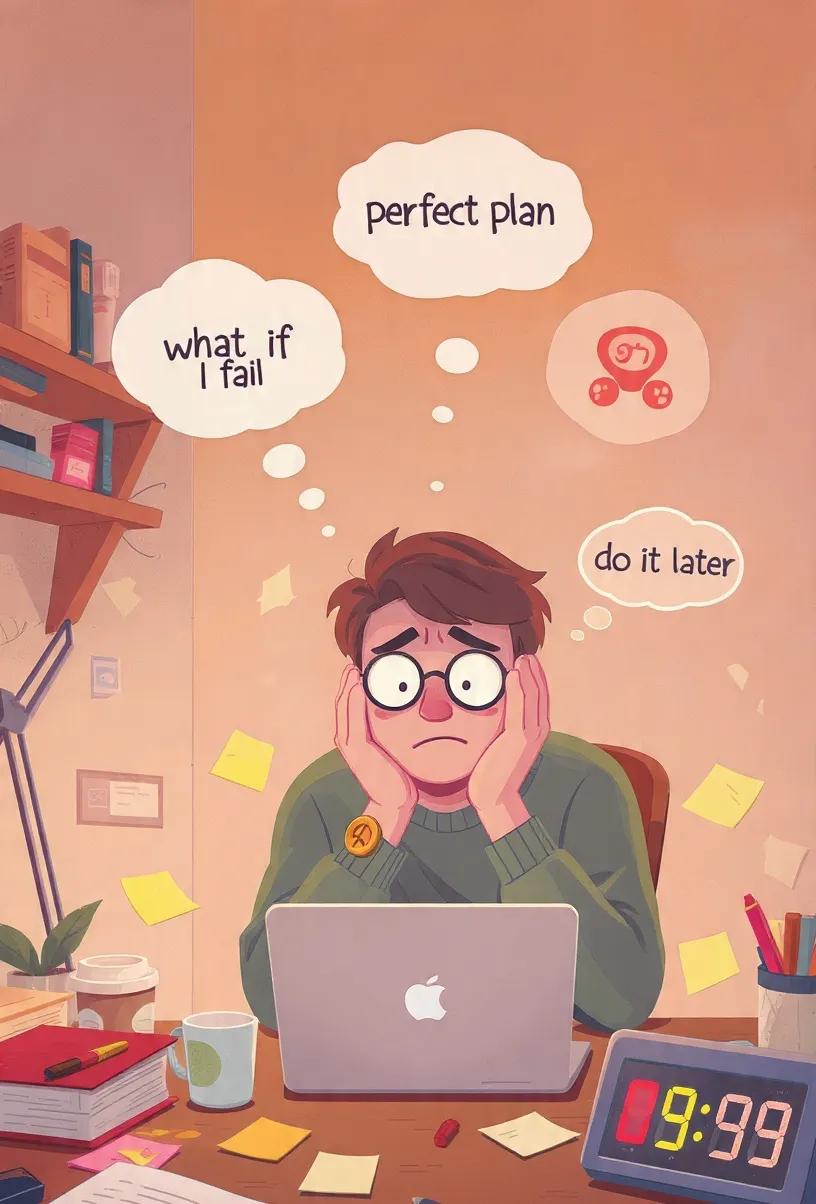
You have published your first short story, and you feel proud to receive positive reviews, comments, and recognition. However, the pressure of readers wanting more can make writers wonder whether their next story will live up to the previous one. This pressure leads writers to repeat successful ideas, second-guess concepts, or rush into publishing something new.
The goal isn’t to recreate the previous hit but to use that experience to grow as a writer. To write the next story after a successful hit, here are the eight ways you can move forward with your next story while protecting creativity, independence, and developing fresh ideas.
1. Separate What Readers Loved From What You Want to Write Next
 Writers need to identify what resonates with readers, whether it was the emotional conflict, a memorable character, the ending, or a relatable theme. These factors help writers understand what made their first short story a hit.
The reactions from the audience can reveal what worked without guessing what the writer will produce next. You should appreciate reader feedback without treating it as a set of instructions for your next story.
The best way to write the next story is to create two lists showing what readers loved about the previous story and what you want to investigate in the next one. This will allow you to look for opportunities to grow without writing the same formula.
2. Recognize When You're Writing to Please Your Old Audience
Writers may feel pressured to deliver the same genre, emotional experience, characters, and plot twists that made the previous story popular. Writing exclusively to satisfy the existing audience can make new work feel predictable or forced. Since reader loyalty matters, creative growth matters as well, especially for independent writers who are building an audience.
To distinguish genuine interest from the fear of disappointing readers, ask yourself whether you’d still be excited to write the story if your previous one had never become popular. It is best to recognize when you’re writing to please your old group of readers.
3. Decide Whether the Next Story Needs a Connection to the First
 A popular short story can inspire a sequel, a companion story featuring another character, or an entirely unrelated piece. A continuation makes sense when an unresolved conflict or an interesting supporting character offers genuine potential for another story. This can warn against extending a story simply because readers recognize its characters or their setting.
To decide the next story is to build a connection with the first by considering whether a new installment adds something meaningful or repeats the original’s appeal. For instance, you can sketch three possible directions, like a direct sequel, a story in the same world with a different perspective, and a new concept. Then choose the idea that has the strongest reason to stand on its own.
4. Use Reader Reactions to Find Unexplored Story Possibilities
Using readers' reactions to find unexplored story possibilities is a great way to look beyond general praise. To go deeper, notice the questions readers ask about a story’s characters, decisions, relationships, and unresolved tensions. Identifying an overlooked character, an unexplored circumstance, or a moral dilemma could inspire a different story.
An interesting question doesn’t always require a sequel. It might become the starting point for a new plot with various characters and situations. Reader interpretations can reveal possibilities you haven't considered, but you don't need to act on every suggestion. To do this, collect 5 questions or observations readers shared about your previous work and choose one that sparks curiosity and develop it into a separate premise.
5. Return to the Ideas You Put Aside While Chasing Success
 Building excitement surrounding a successful story can push incomplete drafts, unusual concepts, and personal interests to the back of the writer’s mind. To return to the ideas you have put aside is to revisit old notebooks, saved documents, abandoned openings, and ideas that once felt too experimental.
Search for concepts that feel exciting or curious even if they no longer resemble your recent work. An old idea doesn’t need to be revived exactly as it was. Your new experiences and improved writing skills may help you develop an old idea into something stronger.
Revisit 5 older story ideas and choose one that you’d enjoy exploring today. Then write a new paragraph describing why the idea matters to you now.
6. Give the New Story Time to Become Something Different
Experimenting with a different type of story takes time, and that's alright. Let the plot develop naturally. You may judge a rough opening against a polished published story and conclude too early that your new idea isn't good enough. Successful work often represents the result of revision, feedback, and difficult creative decisions, not a perfect first attempt.
The best way to allow your new story is to explore unknown directions without forcing them into the structure or style of your previous success. Try to complete a rough draft before making major comparisons or deciding whether the story has the potential to capture readers’ attention.
7. Protect Your Creative Time From the Noise Around Your Success
 Reader messages, online engagement, interviews, publishing opportunities, and the pressure to remain visible can compete with writing time. The constant attention to a previous success may leave little room for uncertainty and experimentation that new work requires. To protect your creativity from the noise is to set a designated writing session and reduce social media checks.
Writers around the world balance different responsibilities, including employment, family, education, and limited access to quiet writing spaces. Find a way to write your next story while minimizing distractions. Try a 15-minute writing session. It's better than waiting until you are completely free.
8. Define Success Before the New Story Reaches Its Readers
It's important to define success before your new story reaches readers. It gets very easy to compare views, reviews, sales, shares or awards that can make you wonder about the value of a new piece. You have to acknowledge that audience response and commercial results can matter, especially for writers pursuing publication.
To develop your new story is to set certain goals such as developing a complex character, exploring an unknown scene, or improving the narrative pacing. Seeking honest feedback from trusted readers or editors can help you evaluate the work on its own merits. Try to define three ways your story can succeed on its own terms. Then revisit those goals instead of judging the piece alone.
Your Next Story Deserves Its Own Beginning
A successful story should give you confidence, not restrict your creativity. Listen to reader feedback, explore new ideas, protect your writing time, and set goals for your next story. Your next story may attract a different audience or receive a different response, and that's alright. Approach it with curiosity rather than pressure.
Your last story showed readers what you could create once. Your next story is a chance to discover what else you can do.















Responses (0)
Sign in to share your thoughts.
Sign in