
Decoding Deception: Simple Body Language Secrets to Spot a Liar
We have all been there: listening to someone talk while a quiet voice in the back of our mind whispers, "Something doesn't feel right." Human beings lie for various reasons—to protect feelings, avoid trouble, or secure an advantage.
While words can be carefully manufactured, our non-verbal cues often betray us. Body language is notoriously difficult to fully control under pressure.
If you want to sharpen your observational skills and uncover the truth, here are the most effective, science-backed ways to spot a liar using body language.
1. Sudden Shifts in Baseline Behavior
The golden rule of detecting deception is understanding someone’s baseline—how they normally act when relaxed and honest. If a friend is naturally fidgety, their fidgeting doesn't mean they are lying.
However, if a calm, composed person suddenly freezes, crosses their arms tightly, or starts shifting uncomfortably the moment a specific question is asked, pay close attention.
Sudden deviations from normal behavior are major red flags.
2. The Micro-Expressions of the Face
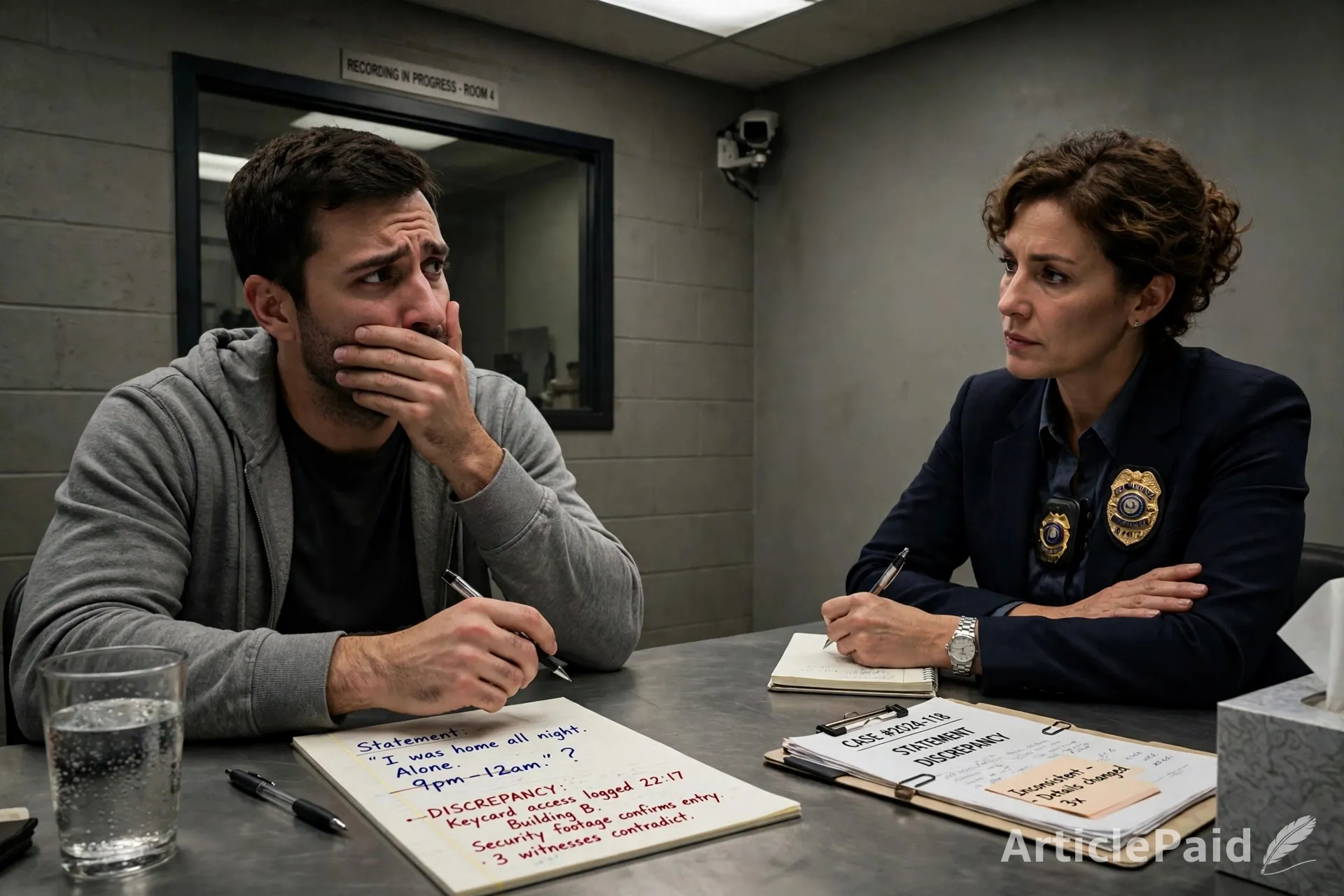
The face is a canvas of emotions, but liars often try to force a smile or a look of innocence. The telltale sign of a fake smile—often called the Duchenne smile—is the absence of crinkles around the eyes (crow’s feet).
Furthermore, watch out for micro-expressions: fleeting facial flashes of fear, disgust, or anger that last a fraction of a second before the person covers them up with a neutral or pleasant expression.
3. Eye Movement Myths vs. Reality
Popular culture loves to claim that liars always look to the left or right, but researchers have debunked this as a myth. Instead, look at eye contact patterns. While some liars might deliberately stare you down intensely to prove their innocence (often blinking less), others may suddenly decrease eye contact or excessively rub their eyes.
The key is change—a sudden spike or drop in steady eye contact during a critical question.
4. Gestures and Speech Incongruence
When people tell the truth, their hand gestures naturally match their words, often happening before or during the speech. Liars, on the other hand, often experience cognitive overload because they are actively fabricating a story. This delay causes their gestures to lag behind their words.
You might ask a question, see a verbal answer, and notice a clumsy hand gesture arrive a second later.
Additionally, touching the face, covering the mouth, or fidgeting with the collar often increases due to nervous tension.
5. Protective Barriers
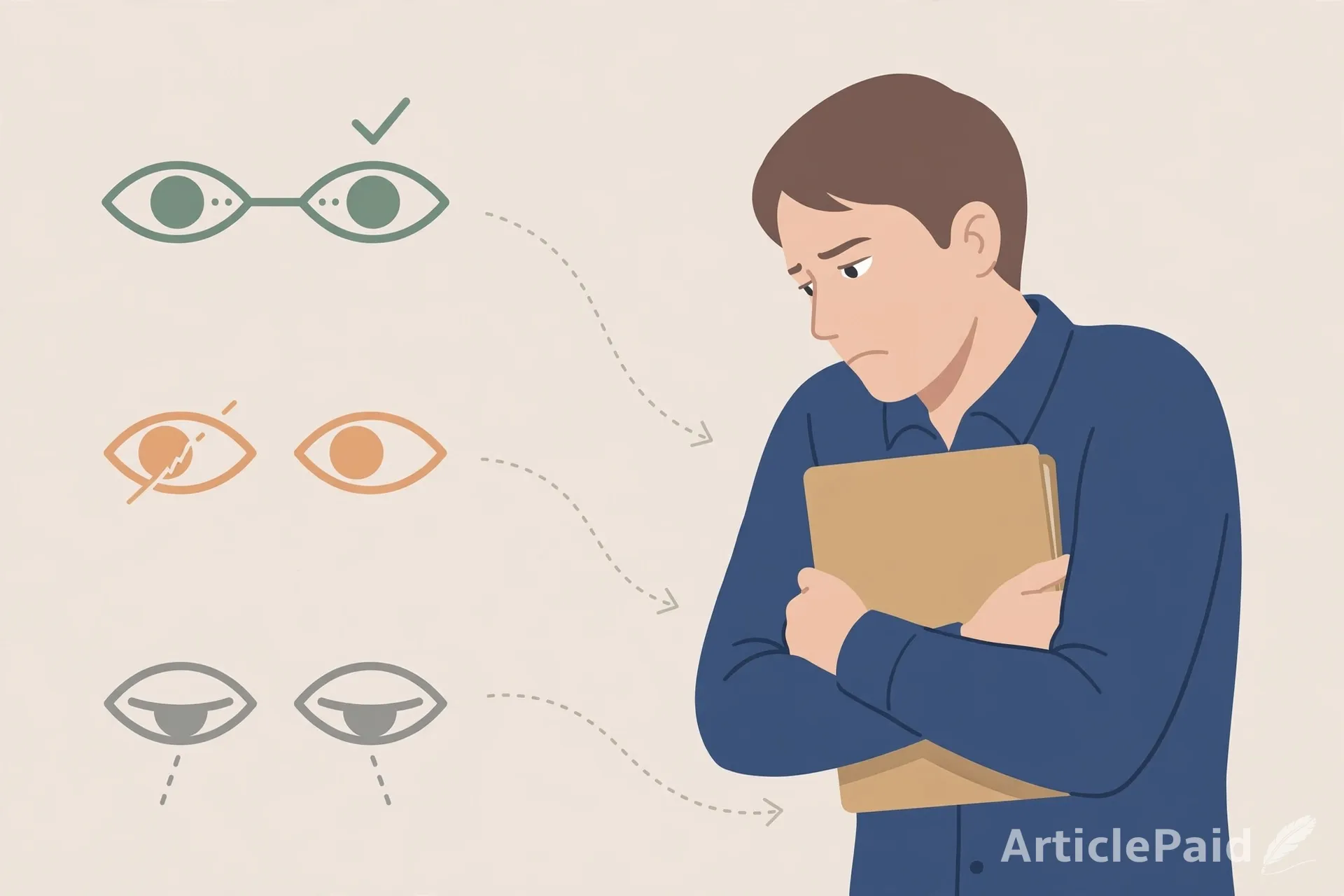
When someone feels exposed or is hiding something, a subconscious desire for self-protection kicks in. They may subtly create physical barriers between themselves and you.
This includes crossing their arms defensively, pulling their torso back, or holding an object (like a coffee mug, phone, or pillow) tightly in front of their chest like a shield.
Final Thoughts
Body language is never a guaranteed lie-detector test on its own; rather, it is a smoke detector. A single sign doesn't prove guilt, but when you notice a cluster of these cues—such as a sudden change in baseline, delayed gestures, and defensive posture—it is wise to trust your intuition, dig deeper, and ask clarifying questions.




















Responses (0)
Sign in to share your thoughts.
Sign in