
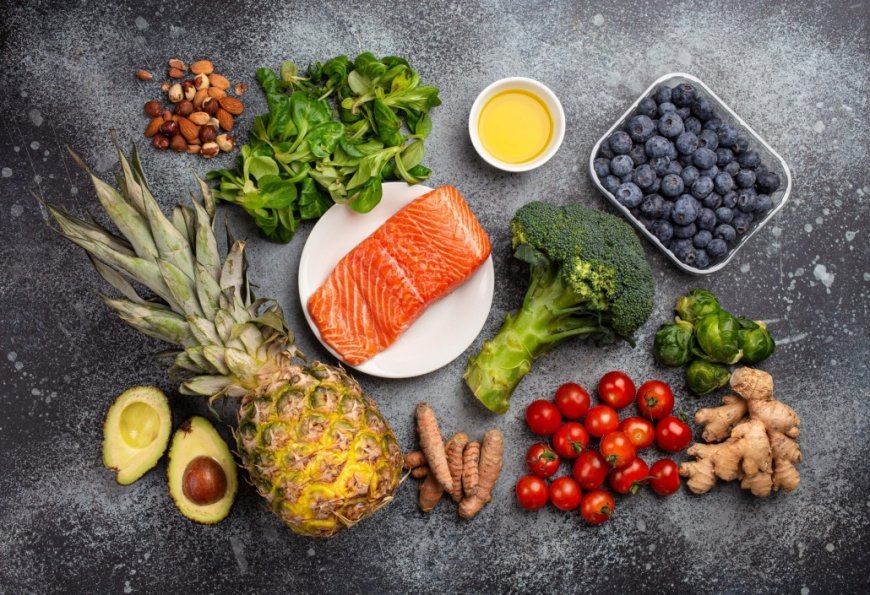
High blood pressure, or hypertension, affects millions of people worldwide and often goes unnoticed until it causes serious health issues. Fortunately, what you eat plays a significant role in managing your blood pressure. Certain foods can work almost immediately to dilate blood vessels, improve circulation, and ease the pressure on your heart. This guide explores the most powerful foods you can eat right now to bring your blood pressure down quickly and naturally.
1. Leafy Greens
Leafy greens such as spinach, kale, swiss chard, and arugula are rich in nitrates, which help relax blood vessels and improve blood flow. These vegetables promote nitric oxide production, a natural compound that widens arteries and reduces pressure on the heart. When eaten regularly, they can provide both immediate and long-term benefits for blood pressure management.
Key benefits of leafy greens include:
- High in potassium and magnesium, which balance sodium levels
- Low in calories and rich in antioxidants
- Can be consumed raw in salads or blended into smoothies
2. Beets and Beet Juice
Beets are one of the most effective natural remedies for lowering blood pressure quickly. They’re packed with dietary nitrates that convert to nitric oxide in the body, relaxing and widening blood vessels. Research shows that blood pressure can drop just hours after consuming beet juice.
Key benefits of beets:
- Contains betaine, which supports heart health
- Enhances blood flow to the brain and muscles
- Can be roasted, juiced, or blended into smoothies
3. Berries
Blueberries, strawberries, raspberries, and blackberries are rich in antioxidants called anthocyanins, which are known to reduce blood pressure. These compounds help reduce oxidative stress and improve the flexibility of blood vessels. Eating a handful of berries can make a quick difference, especially when combined with a healthy diet.
Benefits of berries include:
- Rich in vitamin C and fiber
- Anti-inflammatory properties
- Low in calories and naturally sweet
4. Bananas
Bananas are a great source of potassium, a mineral that counteracts the effects of sodium and helps the body maintain healthy blood pressure levels. Eating a banana can offer a quick reduction in pressure, especially after consuming salty foods.
Key advantages of bananas:
- Easy to digest and portable
- Rich in vitamin B6 and fiber
- Promotes kidney health, which is essential in regulating blood pressure
5. Garlic
Garlic contains allicin, a compound that boosts nitric oxide levels and helps relax blood vessels. It has been used for centuries to manage blood pressure naturally. Studies suggest that consuming raw or cooked garlic can reduce systolic and diastolic pressure quickly.
Benefits of garlic:
- Anti-inflammatory and immune-boosting
- Can be added to soups, dressings, and sauces
- May also lower cholesterol levels
6. Fatty Fish
Salmon, mackerel, sardines, and tuna are high in omega-3 fatty acids, which have been shown to significantly lower blood pressure. Omega-3s reduce inflammation and help keep blood vessels elastic, making it easier for blood to flow.
Benefits of fatty fish:
- Rich in DHA and EPA for heart and brain health
- High in protein and essential vitamins like D and B12
- Ideal for grilling, baking, or adding to salads
7. Oats
Oats are rich in beta-glucan, a type of soluble fiber that helps reduce cholesterol and improve blood vessel function. Consuming oats can result in lower systolic and diastolic blood pressure, especially when combined with other heart-healthy foods.
Why oats are great:
- Helps maintain stable blood sugar levels
- Easy to prepare in various ways—overnight oats, oatmeal, smoothies
- Keeps you full, reducing the urge to overeat
8. Dark Chocolate
In moderation, dark chocolate (70% cocoa or more) can provide a quick blood pressure-lowering effect. It contains flavonoids that stimulate nitric oxide production, improving blood flow and relaxing blood vessels.
Health benefits of dark chocolate:
- Mood-boosting properties due to serotonin
- High in antioxidants
- Satisfies sweet cravings in a heart-healthy way
9. Pomegranates
Pomegranates are packed with antioxidants, polyphenols, and nitrates that help reduce inflammation and lower blood pressure. Drinking a glass of pomegranate juice or eating the seeds can have immediate effects on systolic pressure.
Advantages of pomegranates:
- Supports blood sugar balance
- Boosts immunity and digestion
- May help prevent arterial plaque buildup
10. Greek Yogurt
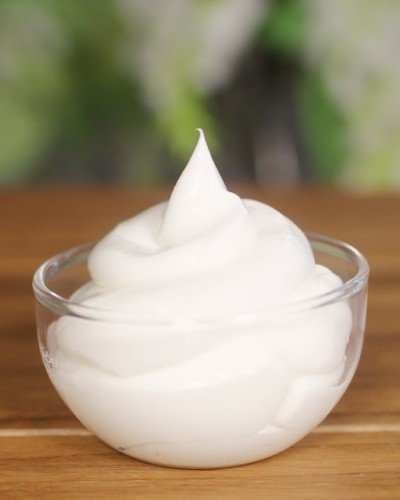
Greek yogurt is rich in calcium, potassium, and magnesium—key minerals involved in blood pressure regulation. It also contains probiotics, which can help reduce inflammation and improve cardiovascular function.
Benefits of Greek yogurt:
- High in protein and low in sugar
- Can be consumed as breakfast or snack
- Supports gut health, which is linked to overall heart health
Conclusion
Eating the right foods can have an almost instant impact on your blood pressure. By making smart dietary choices, you can avoid or reduce your reliance on medication, lower your risk of heart disease, and enjoy better overall health. Incorporating these foods into your daily meals not only supports your cardiovascular system but also enhances energy levels, mood, and longevity. Always pair your diet with regular physical activity, stress management, and hydration for best results. If your blood pressure remains consistently high or low, consult your healthcare provider for personalized guidance.


















Responses (0)
Sign in to share your thoughts.
Sign in