
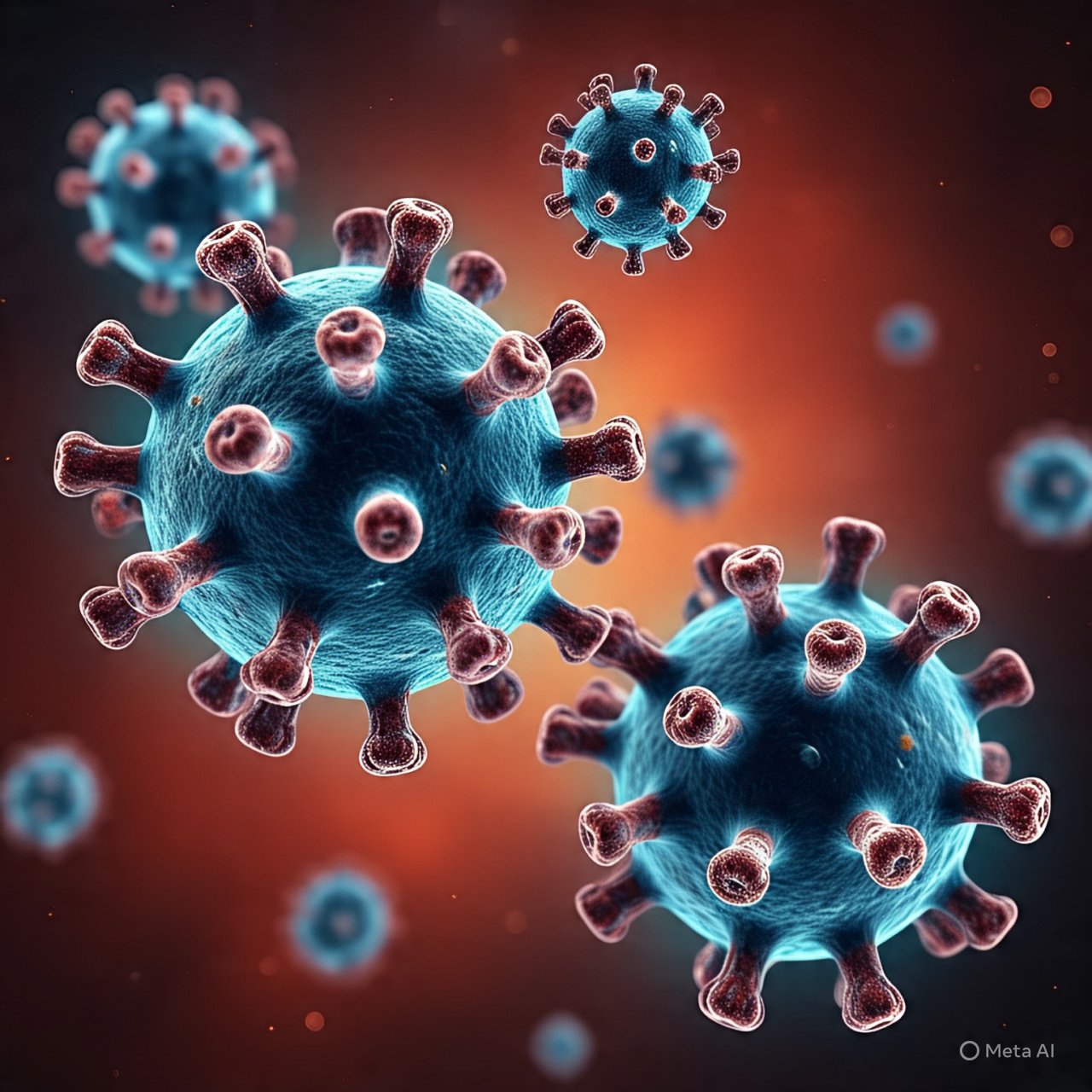
The World Health Organization WHO has raised a red flag as the Chikungunya virus, a mosquito-borne disease, has now spread to 119 countries across the globe. Once confined to tropical regions, this viral threat is now a global health concern due to climate change, increased travel, and lack of awareness. As the virus continues to expand its reach, health experts are urging governments and citizens to stay vigilant.
What is Chikungunya?
Chikungunya is a viral illness transmitted primarily by Aedes aegypti and Aedes albopictus mosquitoes—the same vectors responsible for dengue and Zika viruses. Symptoms of Chikungunya typically appear 4–7 days after a mosquito bite and include.
Sudden high fever
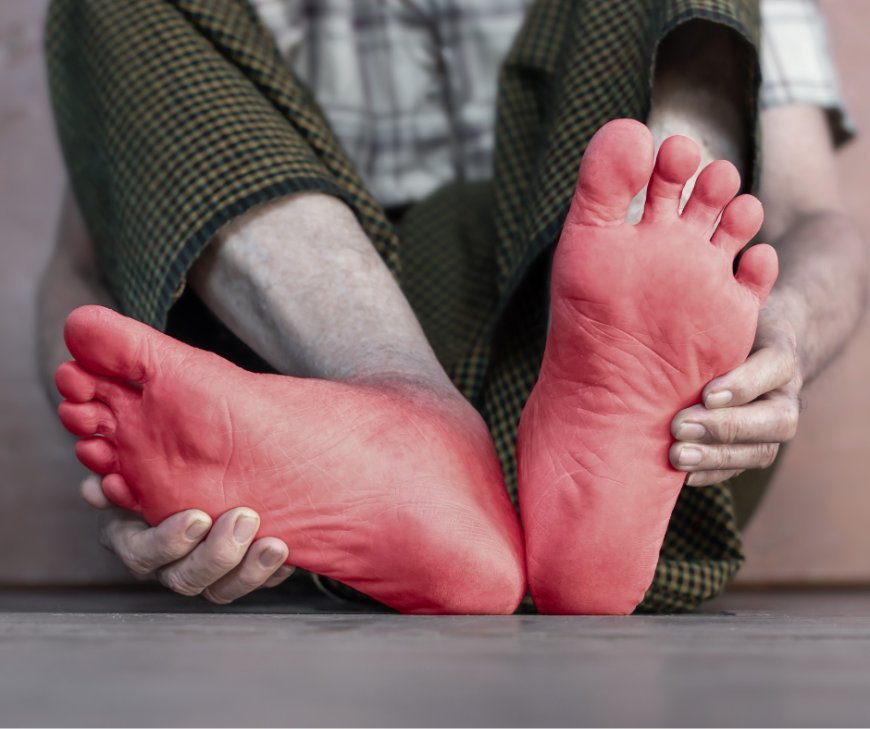
Severe joint and muscle pain
Headaches
Rash
Fatigue
Nausea and vomiting
Though rarely fatal, Chikungunya can cause debilitating pain and long-term joint inflammation, particularly in older adults.
Why the Sudden Spread?
According to the WHO, several key factors are contributing to the virus's rapid spread to non-endemic areas.
Global Warming: Rising temperatures allow mosquitoes to survive in regions previously unsuitable for them.
Urbanization: Poor drainage systems and overcrowded urban settings are ideal breeding grounds for mosquitoes.
Global Travel: Infected individuals traveling from one country to another can unknowingly transport the virus.
Lack of Immunity: Most people in newly affected regions have no prior immunity to the virus, making outbreaks more severe.
Countries at High Risk
While Chikungunya was first identified in Africa in the 1950s, it has since moved into Asia, Europe, and the Americas. Countries experiencing rising infection rates include.
India
Brazil
Thailand
Pakistan
Indonesia
Several southern U.S. states
WHO warns that countries with weak health systems or poor mosquito control are particularly vulnerable to outbreaks.
Preventive Measures You Can Take
The best way to avoid Chikungunya is to prevent mosquito bites, especially during the daytime when Aedes mosquitoes are most active. WHO recommends the following.
Use mosquito repellents with DEET, IR3535, or oil of lemon eucalyptus
Wear long sleeves and pants
Sleep under insecticide-treated mosquito nets
Eliminate standing water around homes
Install window screens and use fans to deter mosquitoes
Global Health Response
WHO is calling for increased surveillance, public education, and vector control in all 119 affected countries. Additionally, efforts are underway to develop vaccines and antiviral treatments, although none are yet available for public use.
Final Thoughts
The rapid global spread of the Chikungunya virus is a stark reminder of how interconnected our health systems are. As climate change continues to reshape disease patterns, international cooperation and individual responsibility are essential to preventing further outbreaks.
---
SEO Keywords:
Chikungunya virus 2025, WHO Chikungunya warning, mosquito-borne diseases, global virus outbreaks, how to prevent Chikungunya, Chikungunya symptoms, Aedes mosquito bites, virus spread in 119 countries





















Responses (0)
Sign in to share your thoughts.
Sign in