
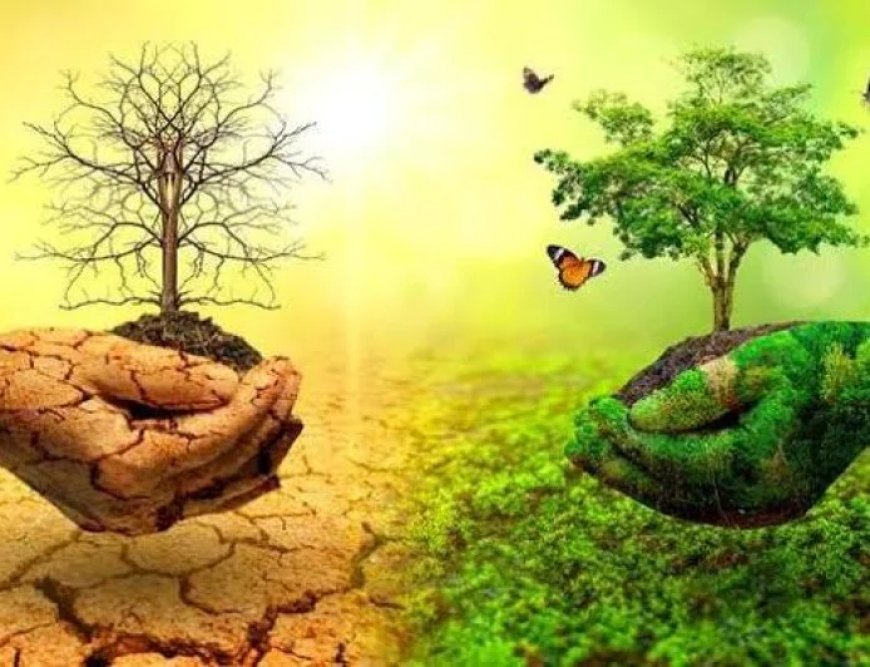
Global warming, driven by the increase in greenhouse gas emissions, is causing a wide array of environmental and societal changes. Here are 20 significant effects:
1. Rising Global Temperature The most direct impact, leading to hotter summers and milder winters on average.
2. Melting Glaciers and Ice Sheets Contributes to sea-level rise and threatens water supplies for communities dependent on glacial meltwater.
3. Sea Level Rise Threatens coastal communities and ecosystems, increasing the risk of flooding and erosion.
4. Ocean Acidification Increased absorption of CO2 by oceans, harming marine life, especially shellfish and coral reefs.
5. Changes in Precipitation Patterns Some regions experience more droughts, while others face increased flooding, disrupting agriculture and water resources.
6. Intensity of Extreme Weather Events More heat waves, droughts, floods, wildfires, and intense storms.
7. Disruption of Ecosystems Changes in temperature and precipitation can alter habitats, endangering plant and animal species.
8. Species Extinctions Many species are unable to adapt quickly enough to changing conditions, leading to population declines and extinctions.
9. Spread of Invasive Species Altered climates can favor the spread of invasive species, further disrupting ecosystems.
10. Agricultural Impacts Changes in growing seasons, water availability, and pest distributions can negatively affect crop yields.
11. Water Scarcity Reduced snowpack, altered precipitation patterns, and increased evaporation lead to water shortages in many regions.
12. Increased Risk of Wildfires Hotter, drier conditions create more fuel for wildfires, leading to more frequent and intense burns.
13. Threats to Human Health Heat waves, air pollution, and the spread of infectious diseases can increase illness and mortality.
14. Increased Air Pollution Warmer temperatures can exacerbate air pollution, increasing respiratory problems.
15. Spread of Infectious Diseases Warmer temperatures and altered precipitation patterns can expand the range of disease vectors like mosquitoes.
16. Economic Impacts Damage from extreme weather events, reduced agricultural productivity, and increased healthcare costs can strain economies.
17. Displacement of Populations Sea level rise, droughts, and other climate-related disasters can force people to migrate.
18. Increased Conflict Resource scarcity and displacement can exacerbate social tensions and lead to conflict.
19.Damage to Infrastructure Extreme weather events can damage roads, bridges, power grids, and other critical infrastructure.
20.Permafrost Thaw Releases methane and carbon dioxide, further accelerating global warming.






Discussion (0)