

Why Back-to-Back Days Break Delegation
The Framework
- Title: concise and to the point.
- Goal: what we are actually trying to achieve, not just what to touch.
- Tools & Workflow: what to use and how the work should flow.
- Steps: each action, in order.
- Acceptance Criteria: bulleted. What counts as done.

A Real Example: "Make It Smooth"
The hero section needs to be fixed. Use consistency across the website. Make it smooth.
Task 1
- Audit the hero on every page and list where it breaks.
- Fix alignment, padding, and image scaling.
- Confirm behaviour at mobile, tablet, and desktop widths.
- Push and share a preview link.
- Hero renders identically on all pages.
- No layout shift or overflow at any of the three breakpoints.
- Spacing matches the reference page.
- Preview link shared for review.
Task 2
- List every colour, font, and font size currently in use.
- Reduce to the agreed palette and type scale.
- Standardise button, card, and form styles against it.
- Apply site wide and check every page.
- One palette and one type scale used everywhere.
- Buttons, cards, and forms share consistent styling.
- No off palette colours remain.
- Before and after screenshots attached.
When There Is No Design File
Why Acceptance Criteria Matter Most
Where AI Actually Fits
The Real Win
More from ArticlePaid

How to Become a Freelancer: A Comprehensive Guide
Embarking on a freelance career can be incredibly rewarding, offering the freedom to work on your own terms and pursue your passions. By following these steps—identifying your skills, building a portfolio, setting your rates, creating a strong online presence, networking, finding clients, managing your finances, delivering quality work, continuing to learn, and maintaining work-life balance—you'll be well on your way to becoming a successful freelancer.

How to Launch a Successful E-Commerce Business and Earn Mone
Starting an e-commerce business has become easier than ever in today’s digital world. The opportunities to build a profitable online business and generate
How To Grow Your BUSINESS Condition in 2025 ?
Short business ideas to any one can start before end of 2025 and grow in 2026 and enjoy his life.
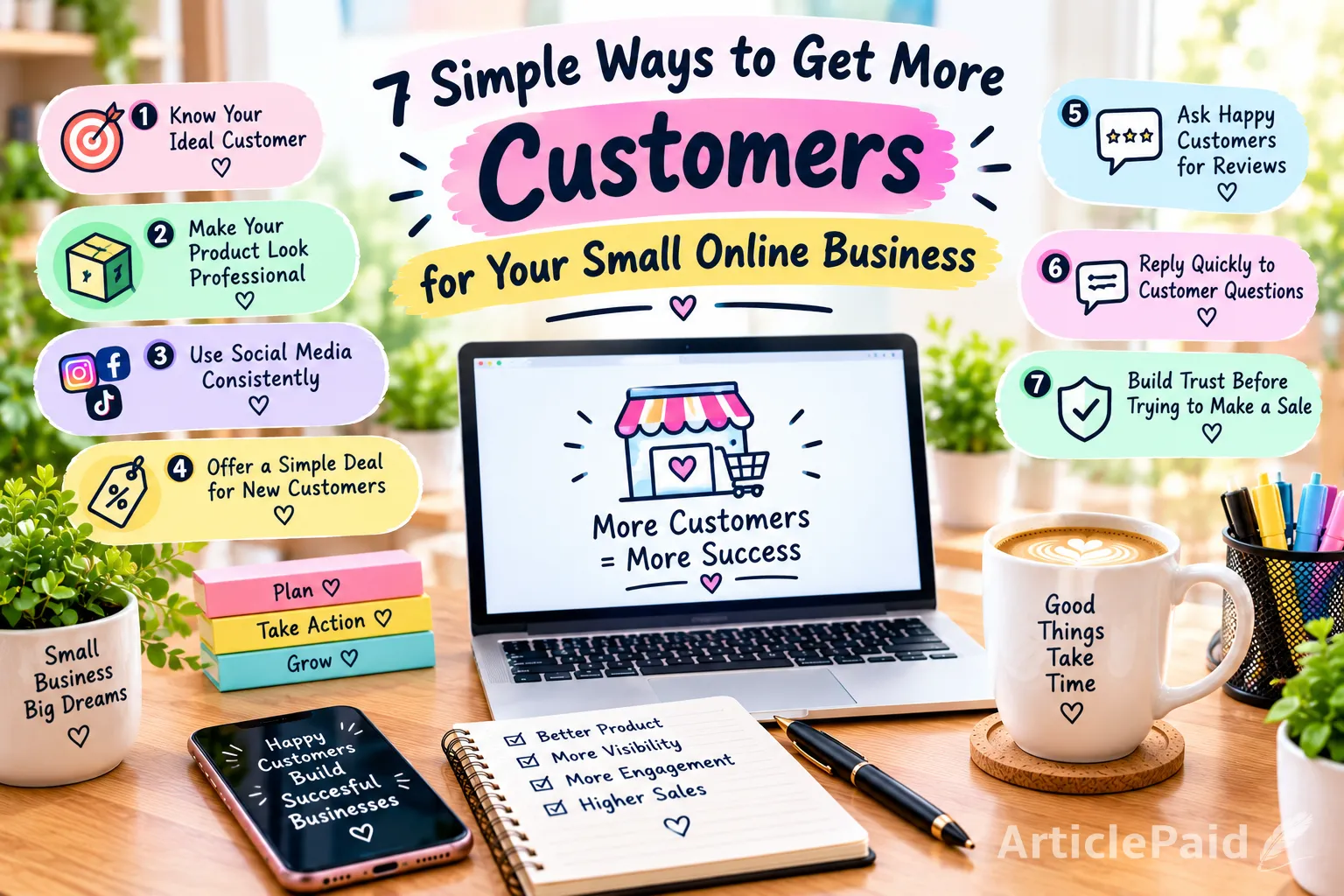
7 Simple Ways to Get More Customers for Your Small Online Business
7 Simple Ways to Get More Customers for Your Small Online BusinessIntroductionStarting a small online business is one thing, but g...

How to start a business? Detailed questions and answers
Starting a business can feel overwhelming, but breaking it down into simple steps with clear answers helps. Here’s a detailed Q&A guide:---Q1: What is

How to plan the perfect Trips to India: A guide for first time travelers.
It is a country with stunning scenarios, rich history, and vibrant societies. Providing an extremely varied travel experience, the geographical, social, and deep variety of India guarantees that every journey here is different: from snow capped pinnacles of the Himalayas to the shimmering shores of the Indian Sea. Every form of traveler is mesmerized by the way old traditions and modern developments meet up in this country.

The Entrepreneurial Journey: From Vision to Venture
Entrepreneurship represents the backbone of innovation and economic growth in our modern world. It's the driving force behind new products, services, and s

Why Some Startups Succeed While Others Fail Even Before
Introduction: The Startup LandscapeThe world of startups is exciting yet unpredictable, full of promise, risk, and valuable lessons. Startups are typically
Ask Questions on ArticlePaid & Get Paid : Share Knowledge
Ask Questions on ArticlePaid & Get Paid: Gain and Share KnowledgeEver wondered if your curiosity could actually earn you money? On ArticlePaid, not onl
Weekly Top Articles

8 Methods to Write the Next Short Story After a Successful Hit
When Your Success Becomes Your Next ChallengeYou have published your first short story, and you feel proud to receive positive rev...

9 Ways to Stop Overthinking & Free Yourself From Mental Drain
Mental drain, or internal friction, quietly eats away at our energy. We waste countless hours tangled in self-criticism, anxious p...

Why Saving Money Won't Make You Rich: 7 Ways to Wealth
Introduction: Will Saving Make You Richer?Everybody wants to leave school and enter a bright financial future. Most people think t...

Classic Caprese Salad: The Ultimate Healthy Dish Coursework
Introduction to Classic Caprese SaladClassic Caprese Salad is a traditional Italian dish made of fresh tomatoes, mozzarella cheese...

Healthy soup for cold& cough- comforting Ginger Garlic soup
IntroductionWarm up with this easy, healthy and tasty homemade Ginger Garlic Soup. This soup has been made using fresh ingredients...
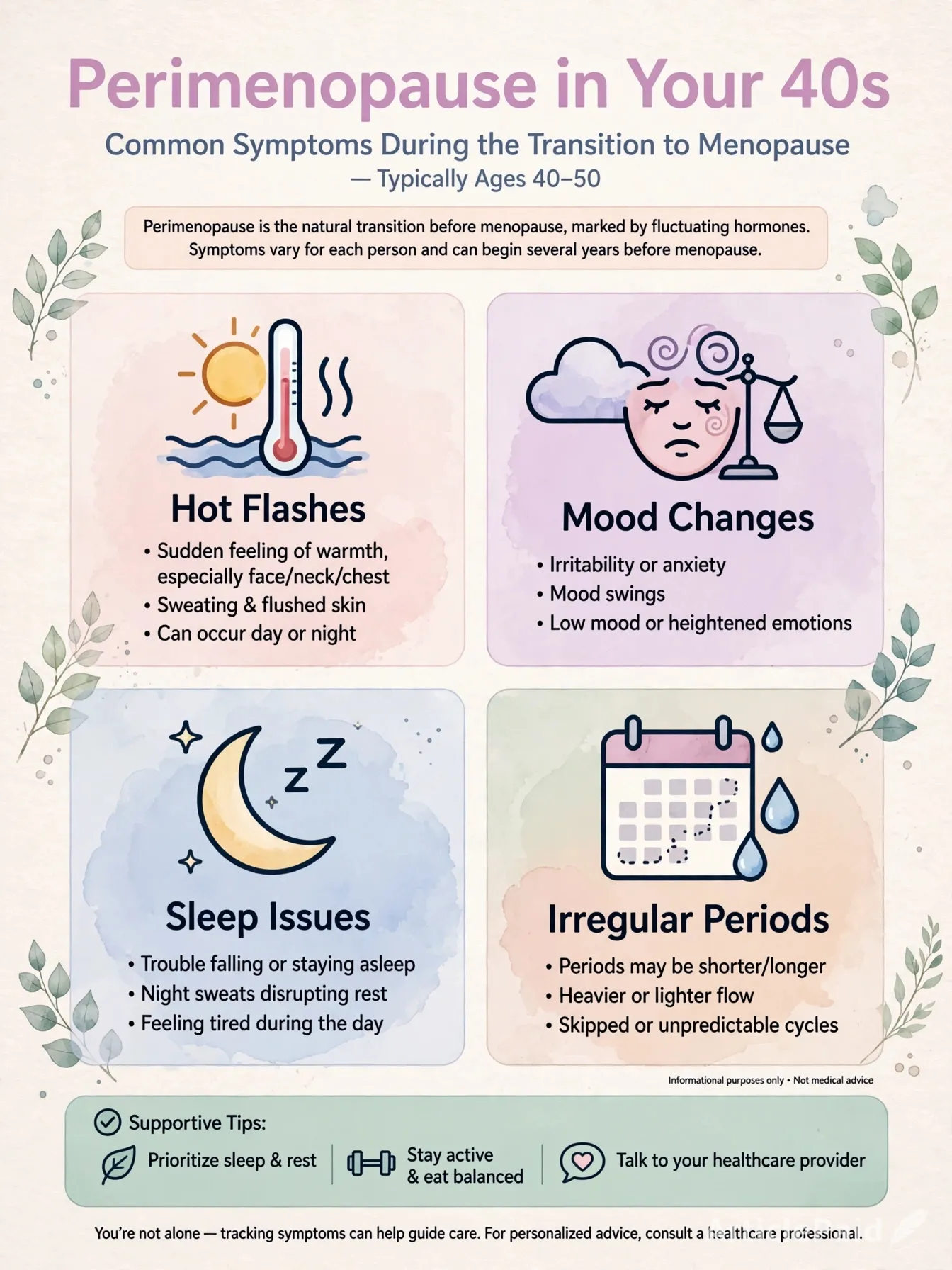
Perimenopause Symptoms: What Really Happens in Your 40s and How to Cope
A clear, evidence-based guide to the years before menopauseYou are waking up at 3 a.m. for no reason. Your period came early last ...







Responses (2)
Sign in to share your thoughts.
Sign in