
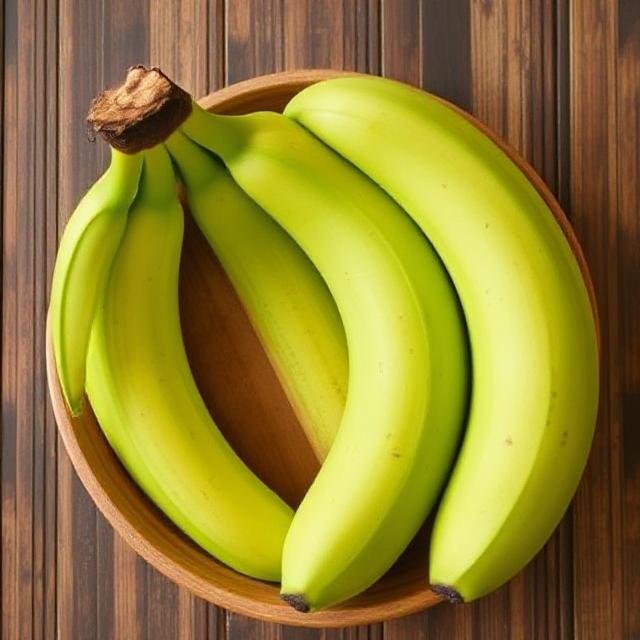
How to Eat Green Banana to Get Its Full Nutrition and When to Eat It,
Best Bananas are among the most consumed fruits worldwide, but did you know that green bananas also called raw bananas or unripe bananas are just as nutritious, if not more?
Unlike ripe bananas, which are sweeter and softer, green bananas are starchy, mildly bitter, and loaded with resistant starch, fiber, and essential nutrients.
Due to their versatility and health benefits, they are widely used in Indian, Caribbean, and African cuisine. If you want to make the most out of this powerhouse fruit, it’s important to know the right way to eat it and the best time to consume it for maximum nutrient absorption.
The Green Banana's Nutrient Profile Green bananas are loaded with nutrients that help maintain healthy blood sugar levels, heart health, and digestive health.
A medium-sized green banana contains:
Calories: ~105
Carbohydrates: 27g (mostly resistant starch)
Fiber: 3g
Vitamin B6: 20% of daily requirement
15% of daily requirement for vitamin C 422 mg of potassium
Magnesium: 10% of daily requirement
What sets them apart is their resistant starch content, a type of carbohydrate that resists digestion and works more like fiber.
Resistant starch feeds gut-friendly bacteria, improves digestion, and helps regulate blood sugar levels.
Benefits of Consuming Green Banana.
1. Supports Digestive Health
Resistant starch in green bananas acts as a prebiotic, feeding good gut bacteria and improving bowel regularity.
2. Controls Blood Sugar Levels
Unlike ripe bananas, green bananas release glucose slowly, preventing blood sugar spikes ideal for people with diabetes.
3. Boosts Weight Management
The high fiber and resistant starch keep you full for longer, reducing unnecessary snacking.
4. Strengthens Heart Health
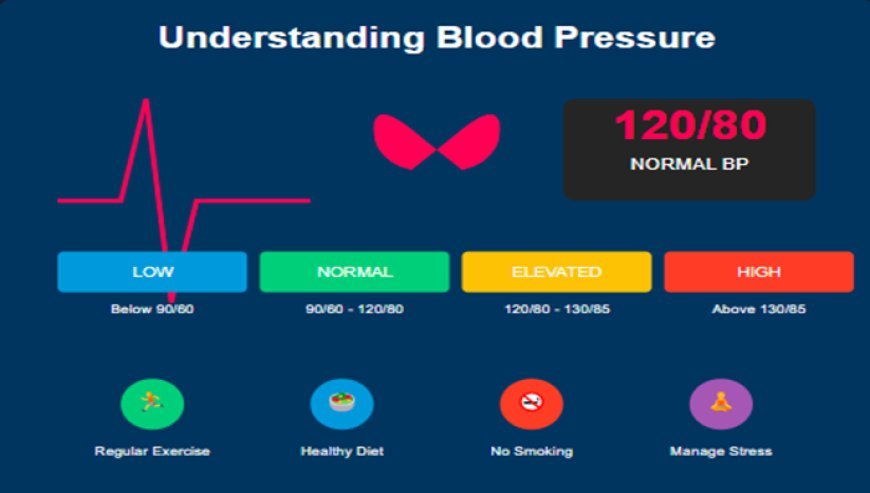
With potassium and magnesium, green bananas help regulate blood pressure and protect cardiovascular health.
5. Improves Gut Healing
Studies suggest resistant starch helps reduce symptoms of irritable bowel syndrome (IBS) and diarrhea.
How to Eat Green Banana
Due to their firm texture and slightly bitter flavor, green bananas are rarely consumed raw. Instead, they are best enjoyed cooked or prepared in specific ways:
1. Boiled or Steamed
Peel the banana, cut into chunks, and boil or steam until tender.
Eat it plain or with a sprinkle of salt and pepper.
This method preserves most nutrients and makes it easy to digest.
2. Stir-fries and curries In Indian cuisine, green bananas are often cooked with spices like turmeric, cumin, and chili.
Stir-fried raw banana with coconut and curry leaves is a nutritious side dish.
3. Mashed Green Banana
Boiled green bananas can be mashed like potatoes and seasoned with olive oil, garlic, or herbs.
Great as a healthy, fiber-rich alternative to mashed potatoes.
4. Flour of Green Bananas Made by drying and grinding unripe bananas, this gluten-free flour is excellent for baking breads, pancakes, or smoothies.
Even after cooking, it retains its resistant starch, which is extremely beneficial to gut health.
5. Chips and Snacks
Thinly sliced green bananas can be air-fried or baked to make crunchy chips.
Use minimal oil to keep it healthy.
6. Smoothies
Peeled and lightly boiled green banana can be blended into smoothies for a creamy texture without adding sugar.
Best Time to Eat Green Banana
When it comes to maximizing the nutrients of green bananas, timing matters.
1. Morning
Eating green banana in the morning supports better digestion and provides long-lasting energy.
Since it’s rich in resistant starch, it releases energy slowly, keeping you full until lunchtime.
Ideal for weight watchers and those with unstable blood sugar levels.
2. Before a Workout
Green bananas give sustained energy, making them perfect 1–2 hours before exercise.
They prevent sudden hunger during workouts.
3. With Lunch
Including boiled or stir-fried green banana in your lunch plate provides fiber and keeps your afternoon hunger in check.
It helps avoid sugar cravings post-lunch.
4. Evening (in moderation)
If eaten too late at night, the heavy starch may slow digestion.
A small serving with dinner is fine, but avoid large portions close to bedtime.
Who Should Be Careful Eating Green Banana?
Constipated individuals: Consuming an excessive amount of green bananas can exacerbate constipation due to their high starch content.
Individuals with sensitive stomachs: If you have a history of IBS, start with small portions.
Nighttime eaters: Eating heavy portions at night may cause bloating or discomfort.
Tips for Eating Green Banana Safely
Cook properly: Raw, uncooked green banana may be hard to digest.
Pair with protein or healthy fat: Consuming green bananas with fish, olive oil, lentils, or other nutrient-dense foods increases their absorption.
Don't eat too much: one medium green banana or half a cup cooked is enough for one meal. Try different forms: If you don't like it whole, try using green banana flour in pancakes or smoothies.
Sample Daily Uses of Green Banana.
1. Bowl of green banana smoothie with nuts and seeds for breakfast.
2. Lunch: Boiled raw banana stir-fry with rice and lentils.
3. Snack: Baked green banana chips with herbal tea.
4. Dinner: Mashed green banana with sautéed vegetables and grilled fish.
To enjoy their full benefits, always cook green bananas boiled, mashed, stir-fried, or turned into flour.
Avoid eating large portions at night, and balance them with protein or healthy fats for better absorption.
By incorporating green bananas wisely into your diet, you can fuel your body with slow-releasing energy, strengthen your gut health, and enjoy a versatile food that supports overall wellness.



















Responses (0)
Sign in to share your thoughts.
Sign in