
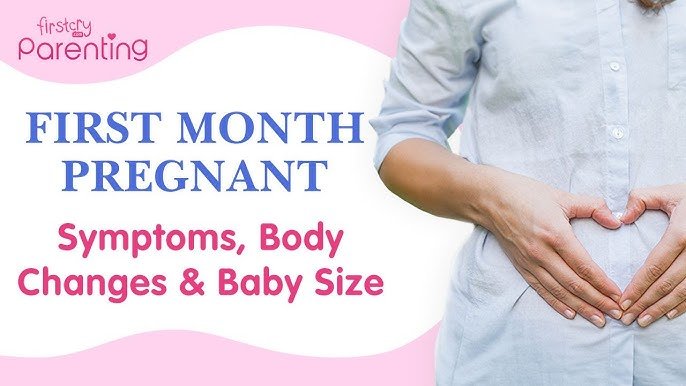
Discover 7 key pregnancy clues that appear before a missed period. Learn how your body signals pregnancy early with these subtle yet powerful signs.
Could you be pregnant even before missing your period? The answer might surprise you. While a missed period is the most well-known pregnancy sign, your body often sends subtle signals earlier. These early pregnancy clues can be your body’s way of saying something extraordinary is happening. Knowing these signs empowers you to take early action—whether you're actively trying to conceive or just staying informed about your reproductive health.
This guide dives deep into seven key pregnancy clues that show up before a missed period. From unexpected food aversions to extreme fatigue, we break down the science and real-life experiences behind each symptom. If you’re tuned in to your body, you might just recognize the signs of pregnancy earlier than you thought possible.
Let’s explore the first early pregnancy clue and what it might mean for your journey.
1. Tender or Swollen Breasts
One of the first pregnancy clues many women notice is breast tenderness or swelling. Just days after conception, hormonal changes—especially rising levels of estrogen and progesterone—begin prepping your body for breastfeeding.
Your breasts might feel heavier, more sensitive, or fuller than usual. You may even notice your areolas darkening or becoming more pronounced. These changes are often more intense than typical premenstrual symptoms, which is why they stand out as a sign.
If you're noticing unusual breast changes and haven't missed your period yet, take note. It could be your body’s way of saying you’re expecting.
2. Implantation Cramping or Spotting
About 6 to 12 days after ovulation, a fertilized egg implants itself into the uterine lining. This can cause mild cramping or light spotting, also known as implantation bleeding.
This symptom often gets mistaken for a light or early period, but it’s different. The spotting is typically lighter in color (light pink or brown), and the cramps are usually less intense.
If you're experiencing cramping or spotting earlier than your usual period and it doesn't feel quite the same, this could be one of the key pregnancy clues to pay attention to.
3. Fatigue That Hits Like a Truck
Suddenly need a nap at noon? Feel like you just ran a marathon after doing the dishes? Extreme fatigue is one of the most common early signs of pregnancy.
This exhaustion is driven by soaring progesterone levels and increased energy demands as your body starts supporting a growing embryo. Your heart works harder, your blood volume increases, and your metabolism shifts—all before you even miss a period.
If you’re unusually tired for no apparent reason, it may be time to take a pregnancy test or consult your doctor.
4. Increased Sense of Smell
Have you suddenly become ultra-sensitive to smells? Does your favorite perfume make you gag? A heightened sense of smell is a classic early pregnancy clue.
This sensitivity is thought to be a defense mechanism that helps pregnant women avoid potentially harmful foods or toxins. It’s caused by hormonal changes, particularly an increase in estrogen.
This clue often goes hand-in-hand with nausea or food aversions and can kick in just days after conception.
If scents are hitting harder than usual, you might be picking up on one of nature’s earliest pregnancy alerts.
5. Nausea or Food Aversions
You might assume morning sickness only strikes after a missed period—but for many women, nausea shows up early.
Even before a pregnancy test turns positive, hormonal shifts (especially hCG) can affect your digestive system. You may start avoiding certain foods, feeling queasy around smells, or even vomiting.
Interestingly, it’s not always “morning” sickness—these symptoms can occur any time of day.
If your stomach is off and you can’t stand the smell of once-loved meals, you may be spotting one of the earliest pregnancy clues.
6. Frequent Urination
Increased trips to the bathroom can begin just a week or two after conception. Why? Your body starts producing more blood to support the embryo, causing your kidneys to work overtime and your bladder to fill more often.
You might think frequent urination only comes later in pregnancy when the uterus presses on the bladder—but it starts surprisingly early due to hormonal changes.
If you find yourself peeing more often, especially without drinking much more than usual, it might not just be hydration. It could be an early pregnancy sign.
7. Mood Swings and Emotional Surges
Have you been crying at commercials or snapping at your partner for no reason? Mood swings are a well-known PMS symptom—but they can also signal early pregnancy.
Hormonal changes impact neurotransmitters in your brain, affecting how you feel emotionally. These mood shifts can be more sudden, intense, or different from your normal cycle.
If you're feeling emotionally off-track and it's not your typical pre-period mood, you could be experiencing one of the subtler but telling pregnancy clues.
Bonus Clue: Basal Body Temperature Stays Elevated
If you're tracking your basal body temperature (BBT), an elevated temperature for 18+ days after ovulation can strongly indicate pregnancy.
Unlike PMS, where your BBT drops just before your period, pregnancy keeps it elevated due to continued progesterone production.
Tracking your BBT over time gives you a detailed window into your body’s early pregnancy signals, often before any other symptoms appear.
Conclusion
Your body speaks—sometimes in whispers. These early pregnancy clues are subtle but significant signs that change might be on the horizon. Whether you’re planning for a baby or curious about your body’s shifts, understanding these signs empowers you to make informed choices.
If you’ve noticed several of these symptoms, consider taking a pregnancy test or speaking with a healthcare provider. Early knowledge opens the door to early care. Stay in tune with your body—it’s smarter than you think.




















Responses (0)
Sign in to share your thoughts.
Sign in