How to Manage Money Better When You’re Always Worried About Bills


In this article 7 sections
- How to Stop Dreading Your Bank Balance When Bills Keep You Up at Night
- Your brain is terrible at holding vague worries.
- Keep your bill money away from your everyday cash
- Break your big bills into smaller bites
- Start with a tiny "just in case" safety net
- Leave room in your budget to actually be human
- Be patient with yourself on the messy months
How to Stop Dreading Your Bank Balance When Bills Keep You Up at Night
There is a very specific knot that forms in your stomach when you open your banking app and see a number that feels way too small for the month ahead.
When you are constantly worried about bills, managing money doesn't feel like some neat, organized spreadsheet.
It feels like trying to carry water in your bare hands while walking up a steep hill.
Every little surprise—a weird rattling noise under the hood, a sudden pharmacy trip, an electricity bill that came in higher than usual—feels like a full-blown emergency.
The toughest part about money stress is how badly it makes you want to look away.
You put off checking your balance because you don't want the bad news, yet avoiding it only makes the anxiety louder in the back of your head.
Getting out of that constant state of panic isn't about magically doubling your paycheck overnight or forcing yourself into a miserable, joyless budget.
It is really just about carving out a little bit of breathing room so you can finally exhale.
Get all the numbers out of your head and onto paper

Your brain is terrible at holding vague worries.
When your bills float around inside your mind as one giant, swirling cloud of dread, they feel ten times heavier than they actually are.
Grab a plain notebook and a pen, and write down every single bill you owe, the exact amount it costs, and the date it leaves your account.
Seeing the real numbers in black and white takes away the guesswork.
Even when the math is tight, knowing the exact size of the problem stops your mind from inventing scarier ones.
Keep your bill money away from your everyday cash
One of the fastest ways to accidentally wreck your month is keeping all your money in one big pile.
You see a decent balance on Tuesday, pick up groceries and a few small things, and suddenly Friday hits with an automatic payment you completely forgot about.

If you can, open a second basic bank account strictly for bills.
The second you get paid, move the exact amount needed for rent, utilities, and minimums into that account and leave its card in a drawer at home.
Whatever stays in your main account is what you actually have left for food, gas, and daily life. You never have to do stressful mental math at the checkout counter again.
Break your big bills into smaller bites
Waiting until the end of the month to hand over one massive chunk of rent or utilities can feel brutal, especially if you get paid every week or two.
Instead of letting a single paycheck take the entire hit, split your biggest bills in half.
If rent is due on the first, tuck half of it away from your first paycheck of the month, and the other half from your second.
Breaking a scary mountain into smaller, manageable hills makes payday feel much less painful.
Start with a tiny "just in case" safety net
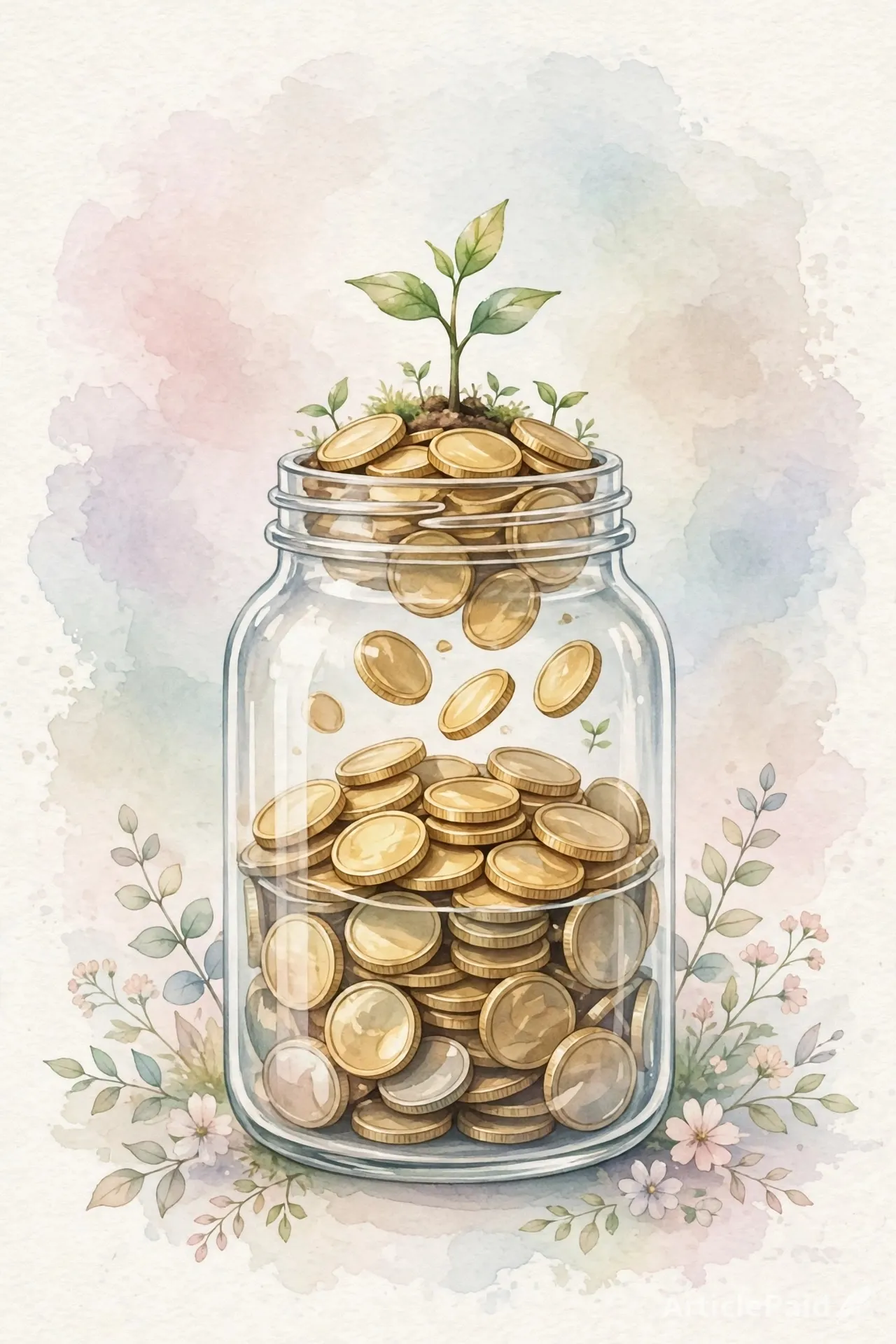
Traditional money advice always tells you to save six months of living expenses, which honestly feels laughable when you are just trying to make it through Tuesday. Ignore the huge numbers for now.
Aim for a tiny buffer—even two hundred or five hundred dollars—sitting quietly in a separate spot.
That small cushion is what stops a flat tire or a sick day from knocking you into late fees and overdraft charges.
It isn't about getting rich; it is simply about buying yourself a little peace of mind.
Leave room in your budget to actually be human
If you try to strip away every single small comfort—your morning coffee, a cheap takeout dinner on a Friday night when you are completely wiped out—you will burn out in two weeks and toss the whole plan out the window.
A budget only works if it is built for a real person, not a robot.
Put a small, guilt-free amount of pocket money right into your plan.
Knowing you have twenty dollars purely for whatever you want keeps you from feeling trapped, and when you don't feel deprived, you are way more likely to stick with it.
Be patient with yourself on the messy months
Learning to handle money when things are tight takes a lot of grace. You are still going to have clunky months where an unexpected expense throws everything sideways, and that does not mean you failed.
Take a slow breath, tweak the numbers for next week, and give yourself real credit for facing your bills head-on instead of hiding from them.














Responses (0)