

Most Dangerous Food Items for Kids: What Every Parent Should Know
As parents and caregivers,
we always want the best for our children, especially when it comes to nutrition. A healthy diet is the foundation of growth, learning, and immunity in kids. However, not all foods that appear to be safe for children are actually safe.
Some items can pose serious health risks due to choking hazards, high sugar or salt content, or potential toxins.
Understanding which foods to avoid or handle with caution can help keep kids safe and healthy.
The most risky foods for children are highlighted, their risks are explained, and safer alternatives are provided in this article.
1.Hot Dogs and Processed Meats
Although hot dogs are a popular snack among children, they pose a significant risk of choking for those under the age of
5. Their cylindrical shape and rubbery texture make them difficult to chew and easy to lodge in the throat. In addition, processed meats and hot dogs contain a lot of sodium, nitrates, and unhealthy fats, which can make people more likely to become obese, have heart problems, or have high blood pressure in the future.
Safer Alternative: If you must serve hot dogs, cut them lengthwise into thin strips and then into small pieces. Opt for lean homemade meat patties or grilled chicken strips instead.
2.Candy and gum for chewing Candy may delight children, but hard candies, lollipops, and chewing gum are particularly dangerous.
They can easily get stuck in a child’s throat and cause choking. Gum also poses the risk of being swallowed, leading to stomach discomfort or accidental aspiration into the airway.
Safer Alternative: Replace hard candies with soft fruits like berries or naturally sweet snacks such as raisins or dates in moderation.
3.Popcorn
While popcorn is a popular snack for family movie nights, it can be hazardous for kids under 4 years old. If inhaled unintentionally, the hard kernels and small pieces can easily obstruct the airway.
Because they are too hard for young teeth, unpopped kernels are especially dangerous. Safer Alternative: Offer puffed rice, roasted chickpeas, or soft baked crackers that are easier to chew and swallow.
4.Seeds and Nuts Whole nuts, especially peanuts, are among the top choking hazards for young children.
They are small, hard, and can slip into the airway. Seeds such as sunflower or pumpkin seeds also carry similar risks.
Additionally, peanut allergies are common in children and can cause severe reactions.
Safer Alternative: For younger children, use nut butters (spread thinly on bread or fruits) instead of whole nuts. Always introduce nuts with caution and watch for allergic reactions.
5.Tomatoes, cherries, and grapes Grapes and cherry tomatoes may seem harmless, but their smooth, round shape makes them a serious choking hazard. If swallowed whole, they can completely obstruct a child's airway.
A safer alternative for toddlers and preschoolers is to always cut grapes and cherry tomatoes in half along their length. Children who are older should be encouraged to chew thoroughly as well.
6.Raw Carrots and Hard Vegetables
Raw carrots, celery, and other hard vegetables are difficult for small teeth to chew and can cause choking. While they are packed with vitamins, their solid, crunchy texture makes them unsafe for toddlers.
Safer Alternative: Steam or cook vegetables until soft before serving them to young children. Mashed or pureed vegetables are even safer options.
7.Whole Marshmallows
Although marshmallows appear to be soft, their sticky texture can clog the throat. Whole marshmallows are particularly unsafe for children under 5 years old.
Safe Alternative: For older children, mini marshmallows or yogurt drops can be used, but healthier snacks like banana slices are better.
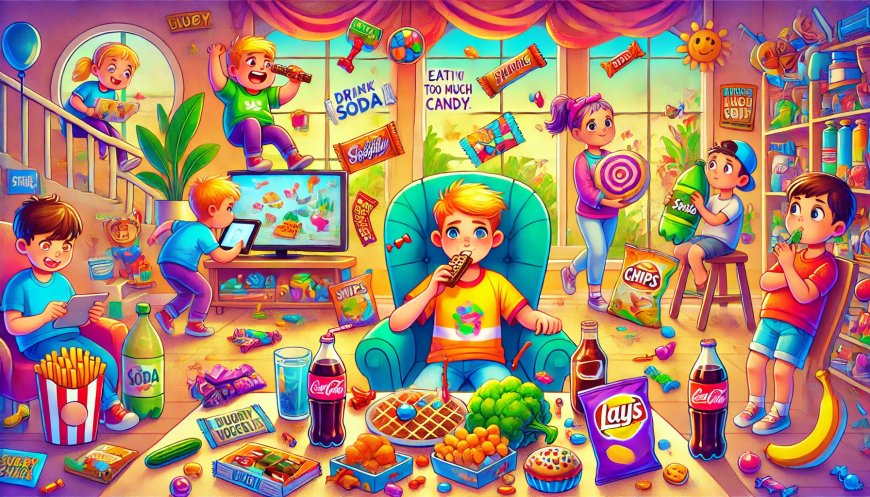
8.Energy drinks and drinks high in sugar Many kids love sodas, packaged juices, and energy drinks, but these are filled with sugar, caffeine, and artificial additives.
Excess sugar increases the risk of childhood obesity, diabetes, and dental decay.
The caffeine in energy drinks can also disrupt sleep and harm developing nervous systems. A safer alternative is to serve water flavored with cucumber or mint leaves, homemade lemonade, or fresh fruit smoothies.
9.Honey (for Infants Under 1 Year)
Though natural, honey should never be given to infants under 12 months. It may contain spores of Clostridium botulinum, which have the potential to cause infant botulism, a serious but rare disease that affects muscles and breathing.
Safer Alternative: For babies, stick to breast milk, formula, or age-appropriate fruits and cereals.
10.Chips and Fried Snacks
Potato chips, nachos, and other fried snacks are unhealthy for kids due to high salt, fat, and artificial flavor content.
Overconsumption can contribute to obesity, high blood pressure, and poor eating habits early in life.
Additionally, some chips are sharp and can harm the throat or mouth. Safer Alternative: Serve baked sweet potato fries, air-popped popcorn (for older children), or roasted veggie sticks.
11. Raw Seafood and Undercooked Eggs
Raw fish (such as sushi), undercooked eggs, or lightly cooked shellfish are unsafe for children as they may contain harmful bacteria or parasites.
These can cause foodborne illnesses, diarrhea, or stomach infections, which can be more severe in kids.
Safer Alternative: Only serve fully cooked seafood and eggs. Hard-boiled eggs, grilled salmon, or baked fish fillets are safer and more nutritious.
12.Peanut Butter by the Spoonful
While peanut butter is nutritious, serving it in thick spoonfuls can cause choking. Its sticky texture can block the throat if not swallowed properly.
Safer Alternative: Spread thin layers of peanut butter on toast, crackers, or apple slices instead of serving it directly by the spoonful.
13.Canned Foods High in Salt
Canned soups, beans, and ready-to-eat meals often contain high amounts of sodium and preservatives. Too much sodium can burden a child’s kidneys and raise blood pressure.
Safer Alternative: Choose fresh or home-cooked foods. If canned foods are unavoidable, rinse them well before serving.
14. Artificially Colored Sweets
Brightly colored candies, jellies, and gummies are attractive to children but often contain artificial dyes and preservatives.
Some studies suggest links between artificial food coloring and hyperactivity or allergic reactions in sensitive children.
Safer Alternative: Offer naturally colored fruit snacks or homemade fruit popsicles without added sugar.
15. Ice Cubes
Even something as simple as ice cubes can pose a choking hazard for kids. They are slippery and difficult to chew, and large cubes can get stuck in the throat.
Safer Alternative: Offer crushed ice
or chilled fruit-infused water for refreshment.















Responses (0)
Sign in to share your thoughts.
Sign in