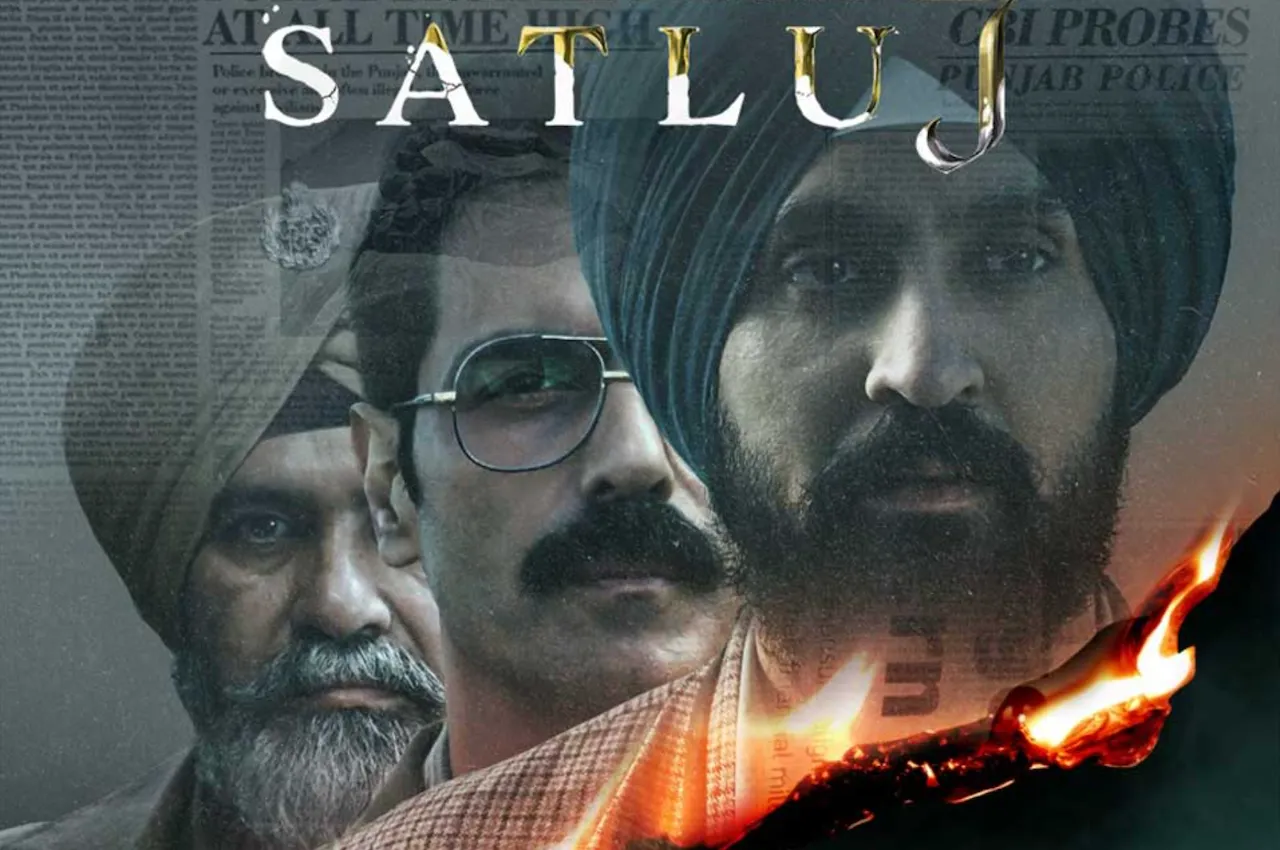
What followed was a textbook case of the Streisand effect: an attempt to censor a piece of media that instead catapulted it into a viral phenomenon. Here is the journalistic story behind the controversial film Satluj and why it became a flashpoint for censorship, history, and digital defiance.
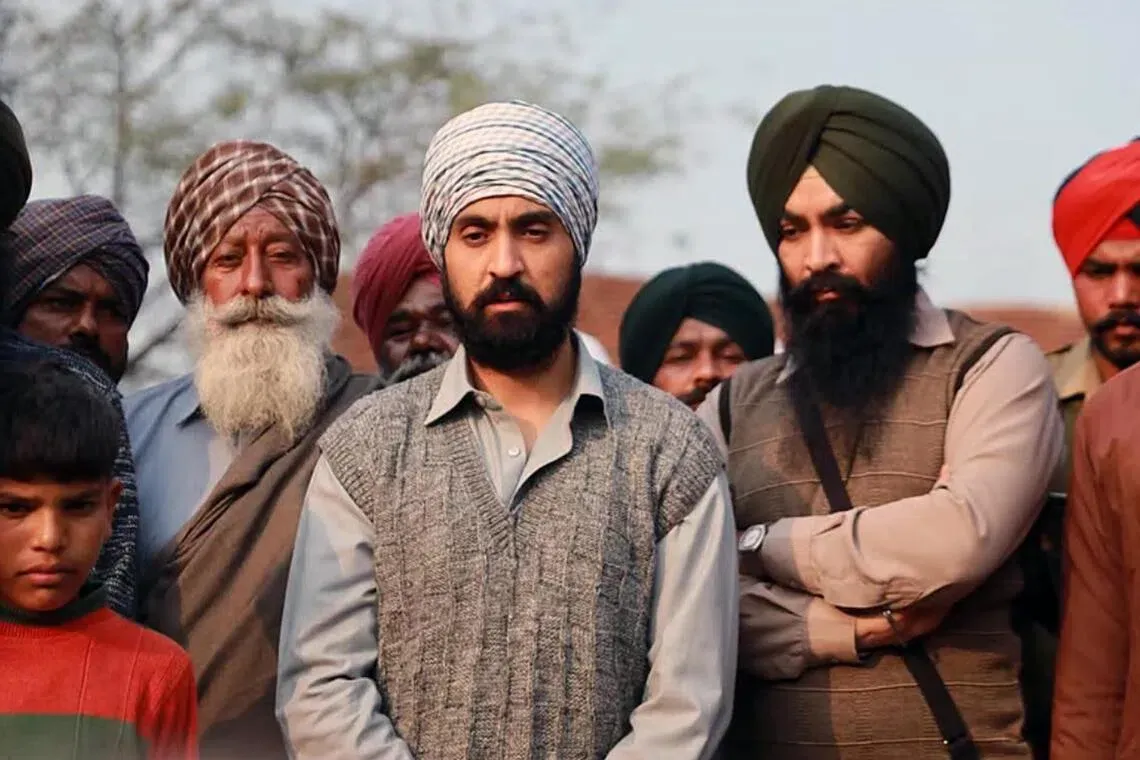
The Story They Didn't Want You to See
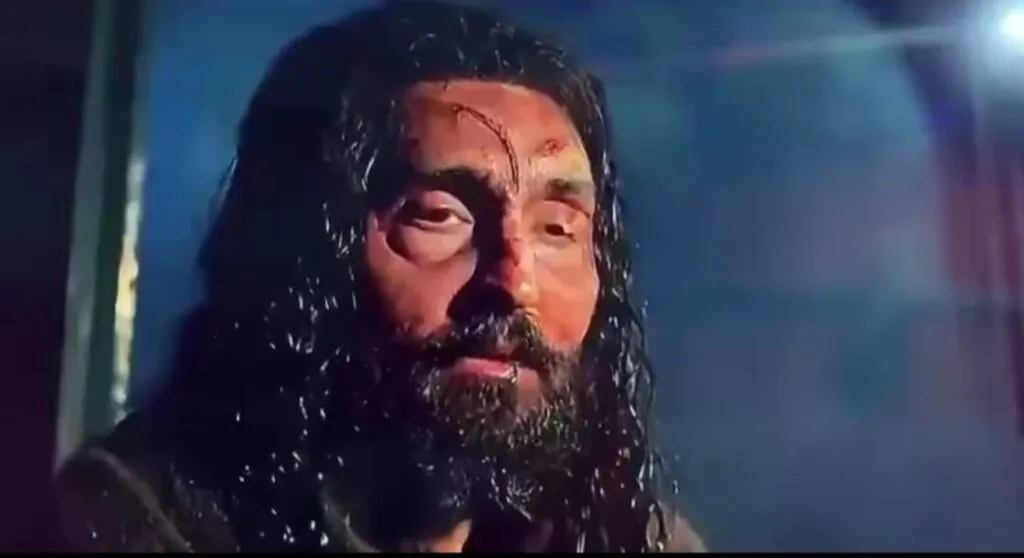
Satluj (previously titled Ghallughara and Punjab '95) is a biographical drama directed by Honey Trehan. The film chronicles the harrowing true story of Jaswant Singh Khalra, a human rights activist from Amritsar.
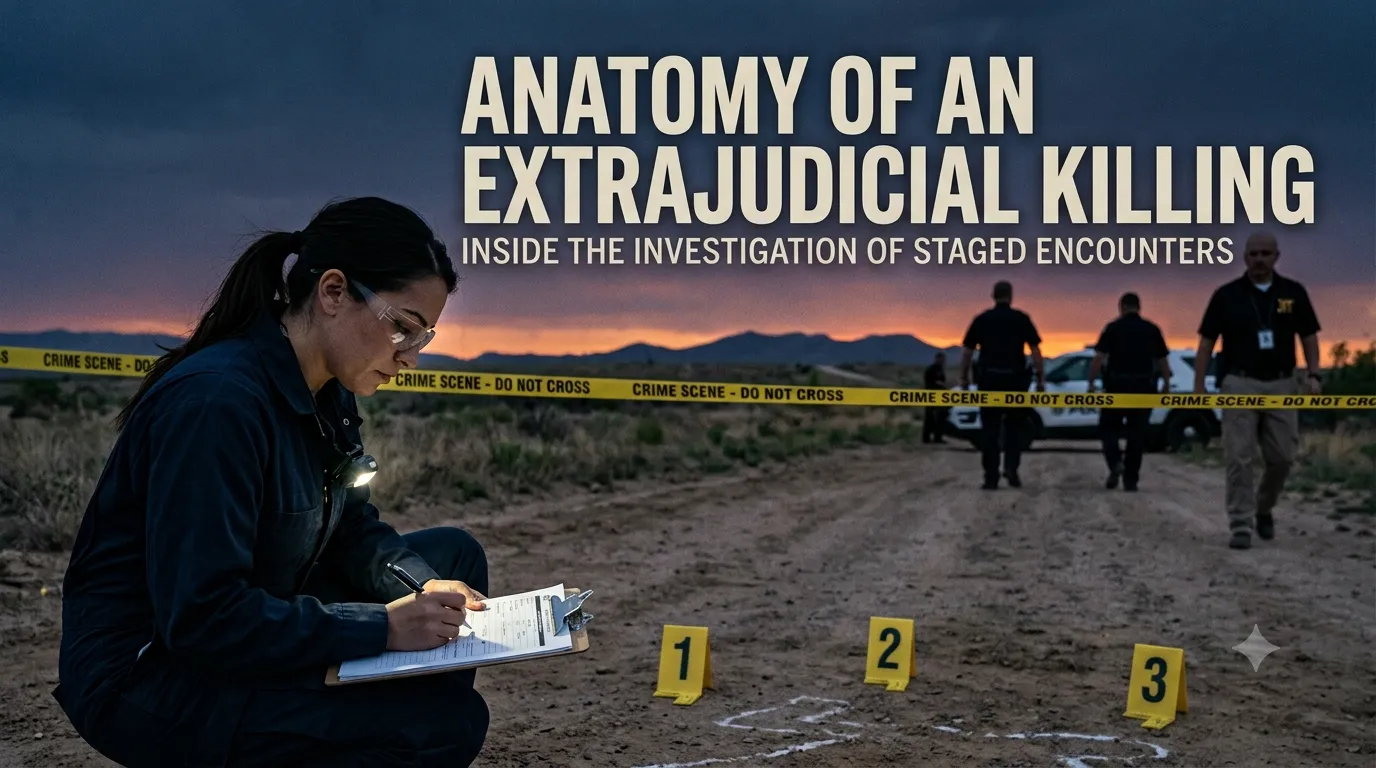
During the bloody Punjab insurgency of the 1980s and 1990s, Khalra investigated and exposed the alleged extrajudicial killings and illegal cremations of thousands of unidentified bodies by the Punjab Police. Khalra himself was later abducted and murdered, making his legacy a deeply emotional and politically charged subject.
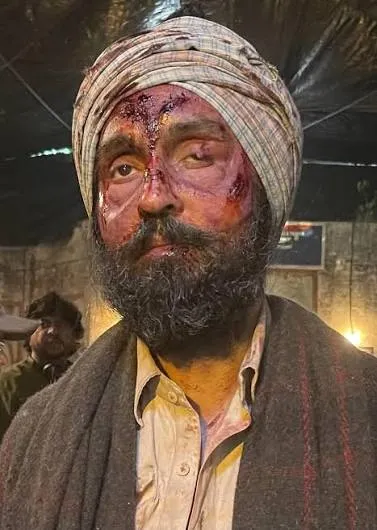
Why Did the Indian Government Intervene?
The film spent nearly four years trapped in a labyrinth of censorship. The Central Board of Film Certification (CBFC) initially demanded 127 cuts, a title change, and the removal of scenes depicting police violence. Refusing to butcher their narrative, the filmmakers bypassed cinemas and released the uncut film directly to OTT.
However, the Indian government swiftly invoked Section 69A of the Information Technology Act to order the film's takedown on July 5. An Inter-Departmental Committee (IDC) backed the ban, arguing the film posed a threat to "national security". The government's core objections included:
- Propaganda Concerns: The panel claimed the film's "one-sidedness aligns with the structure of pro-Khalistan propaganda".
- Whitewashing Terrorism: Authorities argued the film depicted counter-insurgency operations purely as state brutality, while entirely omitting the violence and massacres committed by militant groups against civilians.
- Hostile Exploitation: Officials expressed fears that the film could be used by anti-India forces and extremist organizations abroad to incite unrest.Under mounting regulatory pressure, ZEE5 also pulled the film from its international library on July 11, rendering it officially unavailable worldwide.
A Ban That Backfired
If the goal was to bury an inconvenient truth, the ban achieved the exact opposite. Satluj instantly became an underground sensation.Global Surge: Before it was taken down internationally, the film drove a staggering 374% spike in ZEE5 app downloads outside of India. Digital Defiance: High-quality pirated versions immediately flooded the internet, circulated widely via WhatsApp, Telegram, and torrent sites.
Community Screenings: Across Punjab and neighboring states, Sikh community organizations and local activists began organizing public, open-air viewings using downloaded copies, turning a delayed release into a communal event. Diljit Dosanjh, the film's star, captured the rebellious mood perfectly.
Sharing footage of a public screening in Rajasthan on social media, he wrote: "Hun Ni Rukni Film. Khalra Saab Di Avaaz Nu Koi Ni Dabaa Sakda" (The film won't stop now. No one can silence Khalra Saab's voice). By using stern regulatory measures to block Satluj, the authorities inadvertently transformed it from a streaming release into a viral symbol of free speech.
The debate has now moved far beyond the film's actual content, raising enduring questions about how a nation confronts its darkest chapters—and whether, in the digital age, true censorship is even possible.
Discussion
Social media made this movie so popular that I had to watch it too, but I couldn't find it in English. Well, I have watched it somehow and I have come to understand that there is a lot of injustice done to Punjabi Sikhs in India by the government.